
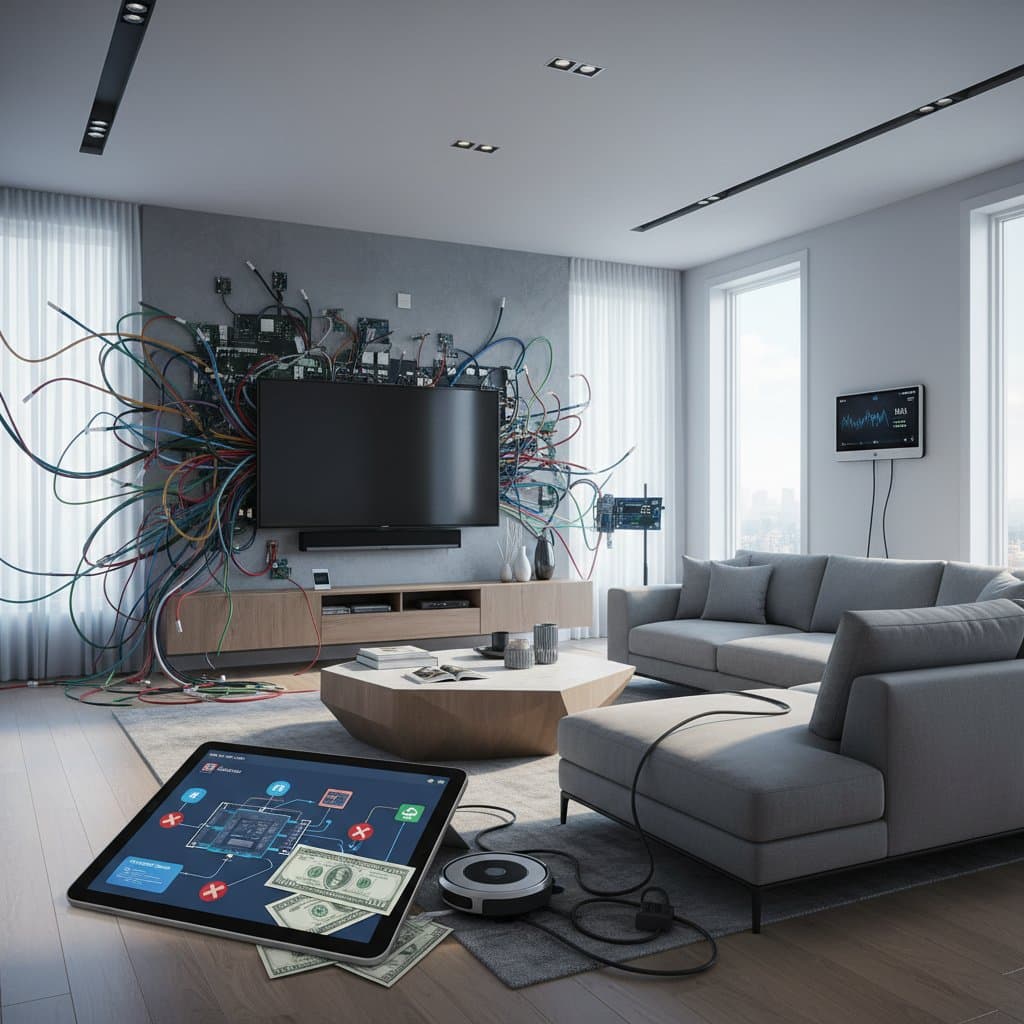
Introduction to Smart Home Expenses
Smart home renovations integrate advanced technology to streamline daily life and boost property value. Devices like automated lighting, intelligent thermostats, and security systems promise efficiency and security. However, the full price extends beyond device purchases to include infrastructure, integration, and upkeep costs that many overlook.
In 2025, rising demand for interconnected homes amplifies these expenses. Homeowners face not only upfront investments but also long-term commitments. Understanding these elements ensures budgets align with realistic outcomes, preventing costly disruptions during the renovation process.
Key Hidden Costs Breakdown
Several concealed expenses emerge during smart home projects. These range from foundational infrastructure to specialized services. Below, a detailed list highlights common outlays, with estimated ranges based on typical residential setups.
-
Wiring and Electrical Upgrades: Retrofitting older homes often requires new cabling for power and data transmission. Costs range from $500 to $3,000, depending on home size and existing wiring condition. Professional electricians ensure compliance with safety codes, avoiding fire hazards.
-
Device Compatibility Assessments: Ensuring new gadgets work with existing systems demands expert evaluation. Fees for consultations and adapters fall between $200 and $800. Incompatible devices lead to redundant purchases, inflating budgets unnecessarily.
-
Professional Installation Services: DIY approaches risk malfunctions, so hiring certified installers proves essential. Labor charges span $1,000 to $5,000 for comprehensive setups, including mounting, configuration, and testing.
-
Professional Network Setup: A robust Wi-Fi infrastructure supports seamless device communication. Installation of mesh systems or extenders costs $300 to $1,200, tailored to coverage needs.
-
Backup Power Solutions for Routers and Hubs: Power outages disrupt connectivity, so uninterruptible power supplies safeguard operations. Units for core components range from $150 to $500, providing hours of runtime during blackouts.
-
Subscription-Based Services: Many smart features rely on cloud access for updates and remote control. Annual fees for platforms, security monitoring, and data storage total $100 to $600 per year.
-
Custom Integration Software: Linking disparate devices requires middleware or apps. Development or licensing fees amount to $400 to $2,000, ensuring unified control via a single interface.
These costs vary by project scale and location. Early inclusion in budgets prevents mid-renovation halts and maintains project momentum.
Ensuring Network Reliability
A stable network forms the backbone of any smart home. Without it, devices respond sluggishly or fail entirely, undermining the technology's benefits. Homeowners must prioritize bandwidth and coverage from the outset.
Assess current internet speeds and router capabilities before purchasing devices. Upgrading to fiber-optic service or adding access points enhances performance. Budget $200 to $1,000 for these improvements, integrated into the remodel timeline.
Signal interference from walls or appliances complicates connectivity. Strategic placement of hubs and repeaters mitigates issues. Testing post-installation verifies reliability, allowing adjustments before finalizing the setup.
Without a reliable network, even the most advanced smart system operates inefficiently. Treat connectivity enhancements as core remodel components, not optional add-ons. This approach fosters smooth interactions and reduces frustration over time.
Strategies for Future-Proofing
Technology advances rapidly, rendering today's innovations obsolete within years. Forward-thinking planning minimizes replacement expenses and extends system longevity.
Adopt open standards such as Matter or Thread for device interoperability. These protocols enable seamless additions without proprietary lock-in. Select hubs compatible with multiple ecosystems to accommodate evolving needs.
Allocate space in electrical panels for future expansions. Consult electricians during renovations to reserve circuits for high-demand devices. This foresight avoids disruptive rewiring later.
Opt for modular systems that permit component swaps. For instance, upgradable thermostats or expandable security cameras adapt to new features. Initial investments in flexibility yield savings over the home's lifespan.
View the smart home as an evolving ecosystem. It adapts to lifestyle changes and technological shifts, rather than confining users to rigid, costly frameworks. Proactive choices today secure enduring value.
Ongoing Maintenance Practices
Installation marks the beginning, not the end, of smart home ownership. Regular upkeep preserves functionality and security, averting downtime and repair bills.
Perform software updates monthly to patch vulnerabilities and introduce enhancements. Automate where possible, but manually verify critical systems like locks and alarms.
Inspect hardware quarterly: Clean sensors and lenses to maintain accuracy, and test battery backups. Replace worn components promptly to prevent cascading failures.
For voice assistants and AI controls, audit privacy configurations biannually. Review data policies from manufacturers, adjusting sharing settings to balance convenience with protection.
Document configurations in backups stored securely. This practice simplifies recovery after glitches or moves. Dedicate $50 to $200 annually for tools and minor repairs, treating maintenance as routine home care.
Integrating Smart Features Effectively
Thoughtful implementation turns potential pitfalls into advantages. Begin with essential areas like lighting or climate control, scaling gradually to match priorities.
Select interoperable devices from reputable brands to simplify management. Centralized apps provide oversight, reducing complexity for all household members.
Consult professionals for custom layouts, ensuring aesthetics align with functionality. Hidden conduits preserve design while supporting robust wiring.
Monitor energy usage post-installation to quantify savings. Adjust automations based on patterns, optimizing for efficiency and cost control.
Realizing the Full Value
Smart home renovations elevate living standards when approached strategically. Beyond initial outlays, the investment yields enhanced security, comfort, and resale appeal.
Homeowners who budget comprehensively enjoy uninterrupted benefits. Scalable designs accommodate growth, while diligent maintenance sustains performance.
Ultimately, these upgrades create intuitive spaces that respond to needs. Prioritize integration over impulse buys to maximize returns on every dollar spent.