
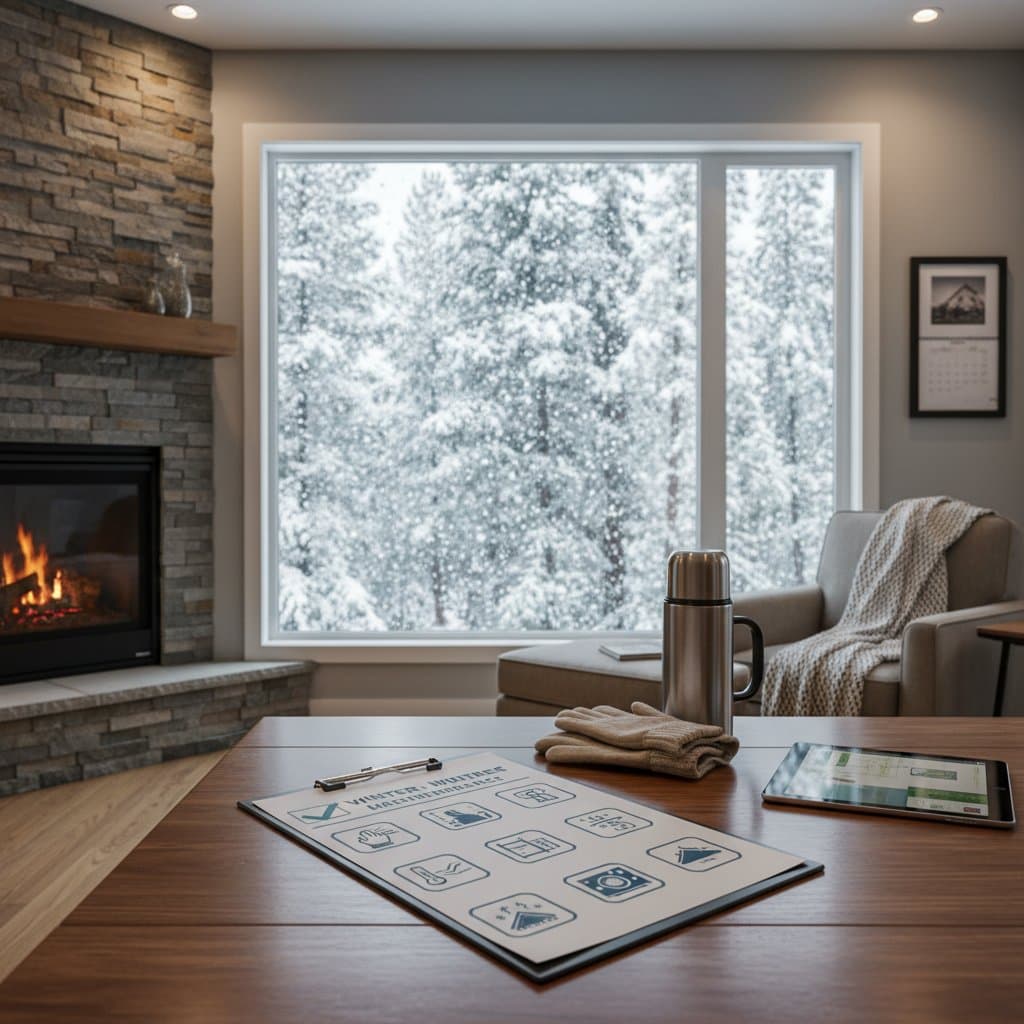
Winter-Proof Your Home for 2026 Storms: Vital Checklist
It starts with a chill that lingers longer than usual and the faint rattle of loose siding when the wind picks up. You tell yourself you will handle it next weekend, but the forecast keeps shifting toward heavier snow and colder air. Winter storms test every weakness in a home, from drafty windows to overworked furnaces. A few practical steps turn that nervous energy into calm confidence that your home stays warm, safe, and efficient all season long.
Key Steps to Keep the Cold Out
The first step in any winter-proofing plan involves sealing the shell of your home. Air leaks act as silent energy thieves, and they often hide in plain sight. Walk around with a candle or incense stick near doors, windows, and outlets. If the flame flickers, you have identified a draft.
Apply weatherstripping around exterior doors and use caulk to seal gaps around window frames. A tube of quality silicone caulk costs about fifteen dollars, and a roll of weatherstripping might cost another ten dollars. For less than thirty dollars, you save hundreds in heating costs over the season.
If windows are older, install temporary interior film kits. These kits create a near-invisible barrier that traps warm air inside. The process takes about one hour for a standard room, and the results appear immediately.
Consider adding door sweeps to the bottom of exterior doors if gaps exist there. These sweeps block cold air from sneaking under the door. Installation requires only a screwdriver and a few minutes of effort.
Protecting Pipes and Plumbing
Frozen pipes rank among winter's most expensive disasters. Insulating exposed plumbing serves as an easy afternoon project that prevents thousands in repairs. Foam pipe sleeves cost about one dollar per foot and install with a utility knife and zip ties. Focus on basements, crawl spaces, and garages where temperatures drop the lowest.
For extra protection, wrap vulnerable sections with heat tape rated for residential use. Follow the manufacturer's instructions precisely, and avoid overlapping the tape or using it on plastic pipes. If you plan to leave home for an extended period, set the thermostat no lower than fifty-five degrees and open cabinet doors under sinks to allow warm air circulation.
Locate your home's main water shutoff valve and ensure easy access to it. In case of a freeze, shutting off the water quickly minimizes damage. Test the valve periodically to confirm it operates smoothly.
Heating System Readiness
The furnace or boiler functions as the heart of winter comfort. Begin by replacing air filters and vacuuming around vents. A clean system operates more efficiently and distributes heat evenly. If a professional inspection has not occurred recently, schedule one before the first major cold snap. Expect to pay between eighty and one hundred fifty dollars for a standard tune-up.
Check the pilot light on gas systems and clear debris from exterior vents. For wood-burning fireplaces, inspect the chimney for blockages or creosote buildup. A certified chimney sweep cleans and inspects for about two hundred dollars, providing substantial peace of mind and safety.
Test carbon monoxide detectors and smoke alarms near heating sources. Replace batteries if needed to ensure they function during power outages or emergencies. This simple check enhances overall home safety.
Roof, Gutters, and Exterior Defenses
Snow and ice add thousands of pounds of weight to a roof. Before the season begins, inspect shingles for damage and replace any loose or missing sections. Clean leaves and debris from gutters to prevent ice dams, which force water under shingles and into the attic.
Install gutter guards or heating cables in regions prone to heavy snow. These upgrades reduce maintenance and lower the risk of moisture damage. Trim overhanging branches that might break under the weight of snow or ice. A quick pruning session now prevents roof punctures later.
Examine the attic for adequate insulation and ventilation. Add insulation if levels fall below recommended depths for your climate zone, typically twelve to fifteen inches in colder areas. Proper attic conditions prevent heat loss and ice dam formation.
Emergency Preparedness and Backup Plans
Even well-prepared homes lose power during severe storms. Keep flashlights, batteries, blankets, and a portable radio in an accessible location. A small generator powers essentials like the refrigerator and a space heater. Models suitable for limited household use range from five hundred to one thousand two hundred dollars.
Stock up on salt or sand for walkways and keep a snow shovel near each entrance. These items turn chaos into control when conditions outside grow unpredictable. Develop a family emergency plan that includes evacuation routes and communication methods.
Prepare a three-day supply of non-perishable food and water for each household member. Include pet food and medications in the kit. This preparation ensures comfort and security during extended outages.
Ongoing Maintenance for Lasting Efficiency
Once the home stands sealed, heated, and protected, regular upkeep sustains performance. Check filters monthly, monitor attic insulation for moisture, and clear snow buildup from vents or dryer exhausts. After each storm, inspect the property for new cracks, leaks, or ice accumulation.
Winter-proofing establishes a rhythm that repeats each season. The rewards extend beyond lower utility bills and fewer repairs. They include enhanced safety, reduced stress, and a home that withstands winter's demands with reliability.