
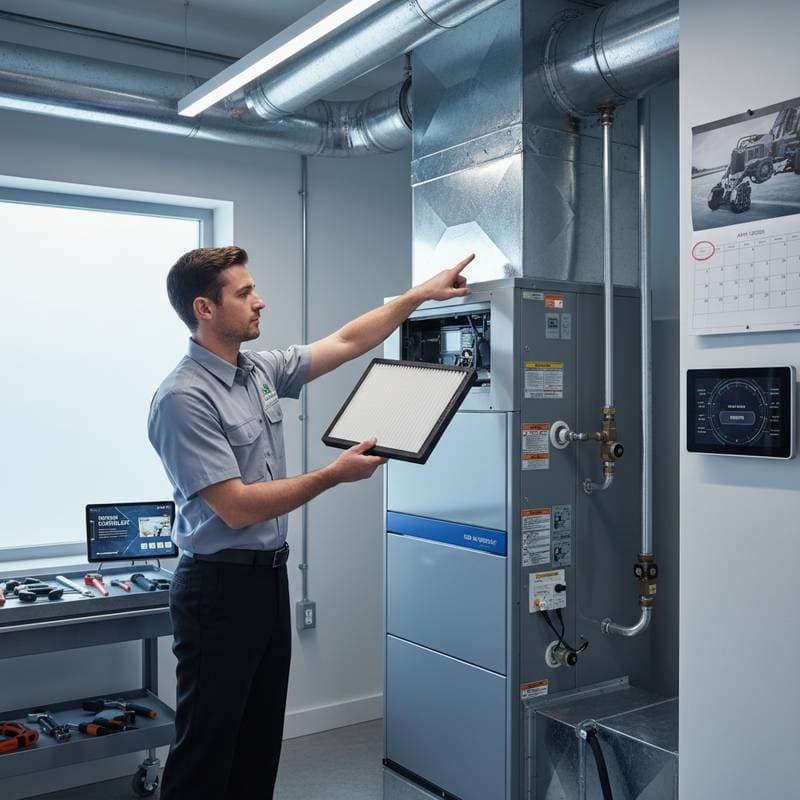
Optimize Energy Savings Through Spring HVAC Maintenance
Rising energy expenses often signal that an HVAC system operates inefficiently during warmer weather. Spring provides an ideal window to perform maintenance, restore optimal function to heating and cooling equipment, and prepare for upcoming seasonal demands. Targeted actions yield reduced energy consumption, superior air quality, and reliable performance throughout the year.
Essential Advantages of Spring HVAC Servicing
Routine spring maintenance extends beyond basic comfort. It delivers measurable outcomes, including:
- Reduction in energy bills by as much as 15 percent through improved operational efficiency
- Prolongation of HVAC system longevity by multiple years via preventive care
- Avoidance of expensive breakdowns during peak summer usage
- Enhancement of indoor air quality by minimizing allergens and pollutants
Homeowners gain confidence in their systems, focusing less on potential failures and more on daily enjoyment.
Step 1: Replace or Clean Air Filters
Dirty filters force the HVAC system to exert extra effort, increasing energy demands. Homeowners should replace disposable filters or clean reusable variants every one to three months, adjusted for system specifications and indoor dust accumulation. Clean filters promote better airflow, alleviate stress on the blower motor, and ensure even temperature distribution across rooms. Standard replacement filters cost between ten and twenty dollars, depending on size and quality.
To perform this task, locate the filter compartment near the return air duct or furnace. Slide out the old filter, note the airflow direction indicated by an arrow, and insert the new one accordingly. This simple procedure immediately boosts system efficiency and supports long-term energy savings.
Step 2: Examine and Clean the Outdoor Condenser Unit
Winter exposure leaves outdoor condensers vulnerable to accumulation of dirt, foliage, and debris, which hinder heat exchange. Before cleaning, disconnect power to the unit for safety. Clear vegetation and obstacles within a two-foot radius, then use a garden hose on low pressure to rinse the coils thoroughly.
If coil fins appear damaged or bent, employ a fin comb tool to gently realign them, restoring proper airflow. This maintenance step enhances the unit's ability to dissipate heat effectively, leading to lower energy use and consistent cooling performance. Regular attention prevents efficiency losses that could add hundreds to annual bills.
Step 3: Evaluate Ductwork and Vents
Inefficient duct systems leak up to 30 percent of conditioned air, driving up costs unnecessarily. Inspect accessible ducts in attics, basements, or crawl spaces for signs of wear, such as loose connections or visible gaps. Listen for air hissing during system operation to identify potential leaks.
Apply foil-backed mastic tape to seal minor fissures, avoiding ordinary duct tape that deteriorates over time. For extensive issues, engage a professional service, which typically ranges from two hundred to five hundred dollars. Such investments recover costs quickly through sustained reductions in utility payments and improved air distribution.
Step 4: Verify Thermostat Functionality
A malfunctioning thermostat disrupts temperature control and wastes energy. Switch the device to cooling mode and decrease the setpoint by several degrees to test response. If the system fails to activate, inspect and replace batteries or reset the circuit breaker as needed.
Upgrading to a programmable or smart thermostat enables automated adjustments based on occupancy patterns, potentially saving up to ten percent on yearly energy use. These devices learn user preferences and integrate with home automation for precise control. Installation often requires minimal wiring adjustments, accessible to most homeowners.
Step 5: Arrange Professional HVAC Assessment
While self-maintenance proves valuable, certified technicians uncover subtle problems invisible to untrained eyes. Schedule an annual inspection costing one hundred to two hundred dollars, encompassing refrigerant level checks, electrical component tightening, and lubrication of mechanical parts.
Request a detailed written summary from the technician to monitor trends in system health over time. Early detection of issues like low refrigerant or worn belts averts major failures, ensuring seamless operation during high-demand periods. Professional input complements DIY efforts for comprehensive protection.
Practical Recommendations for Optimal Results
- Ensure all interior vents remain open and free from furniture or rugs to facilitate even air circulation
- Swap thermostat batteries annually during spring preparations to prevent power interruptions
- Prune nearby vegetation around outdoor units to preserve essential clearance and airflow
- Maintain a log of filter change dates to establish a reliable maintenance rhythm
These habits reinforce the benefits of initial tune-ups, promoting consistent efficiency.
Preserve HVAC Performance Year-Round
After completing spring tasks, sustain improvements through vigilant monitoring. Perform filter changes on schedule, remain alert to atypical sounds or performance dips, and consider interim professional reviews if cooling varies room to room. Proactive measures today safeguard against substantial future expenses.
Implementing this HVAC maintenance routine each spring results in purer air, diminished utility outlays, and assurance that the home environment remains efficient and prepared for seasonal transitions.