
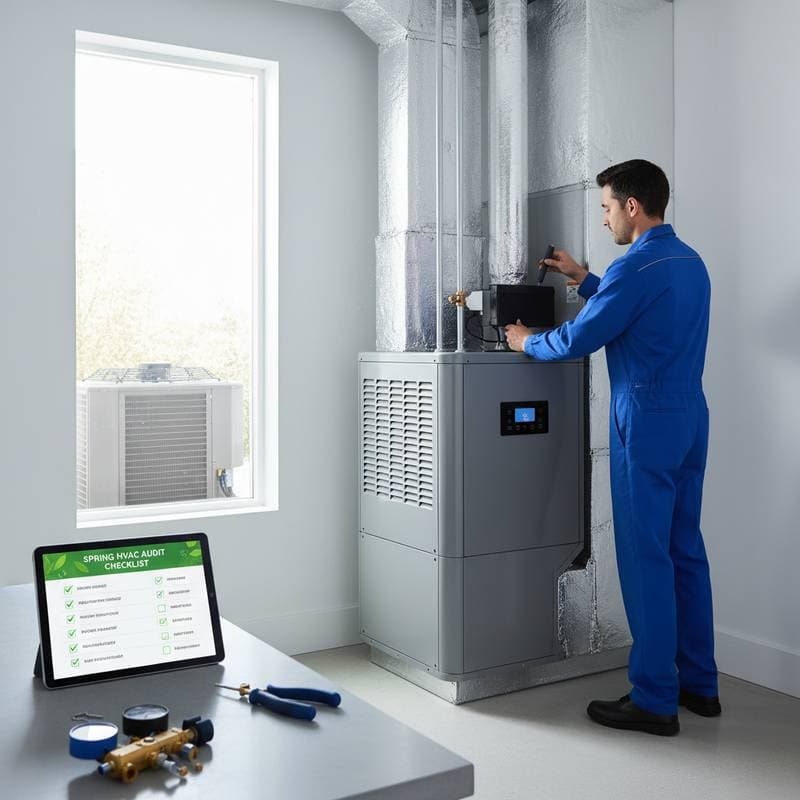
How a Spring HVAC Audit Can Reduce Energy Bills by 15 Percent
As warmer weather approaches, homeowners often overlook the importance of preparing heating, ventilation, and air conditioning systems for summer demands. A thorough spring audit identifies inefficiencies that lead to higher energy consumption and unexpected repairs. By addressing these issues early, individuals can achieve up to a 15 percent reduction in energy bills while ensuring reliable performance throughout the year.
This guide provides practical steps to conduct an effective audit. It covers essential maintenance tasks, professional recommendations, and upgrade options that enhance system efficiency. Readers will gain the knowledge needed to optimize their HVAC setup for cost savings and improved indoor comfort.
The Benefits of a Timely HVAC Audit
Conducting an audit in spring allows systems to transition smoothly from heating to cooling modes. Neglected units face increased strain, resulting in higher utility costs and reduced lifespan. Studies indicate that routine maintenance can lower energy use by 10 to 15 percent, translating to significant annual savings for average households.
Beyond financial advantages, audits improve air quality by removing accumulated dust and allergens. They also prevent common breakdowns, such as compressor failures during peak summer heat. Homeowners who prioritize this preparation enjoy consistent temperatures and fewer service calls.
Preparing for Your Spring Audit
Gather necessary tools before beginning the process. Items include a screwdriver set, flashlight, soft brush, and replacement air filters. Schedule the audit on a mild day when the system operates without extreme loads.
Review your HVAC manual for model-specific instructions. Note the last service date to identify overdue tasks. This preparation ensures a systematic approach that maximizes results.
Step-by-Step HVAC Audit Checklist
Follow this ordered list to inspect and maintain key components. Each step includes detailed actions for thorough evaluation.
-
Inspect the Thermostat: Verify accurate temperature readings by comparing it to a separate thermometer. Clean the device and replace batteries if the model uses them. Consider upgrading to a programmable thermostat for automated energy savings.
-
Check and Replace Air Filters: Locate the filter compartment and examine for dirt buildup. Replace filters every one to three months, depending on usage. Cleanable filters require gentle washing and drying before reinstallation.
-
Examine Outdoor Condenser Unit: Clear debris such as leaves and grass clippings from around the unit. Ensure at least two feet of clearance on all sides. Straighten bent fins with a fin comb to improve airflow.
-
Clean Indoor Coils and Drains: Access the evaporator coils and remove visible dust with a soft brush. Flush drain lines with a vinegar solution to prevent clogs that cause water damage. This step maintains efficient heat exchange.
-
Test Ductwork for Leaks: Feel along joints for escaping air during system operation. Seal minor leaks with mastic or foil tape. Professional assessment may be needed for extensive duct systems.
-
Evaluate Blower and Fan Components: Listen for unusual noises that indicate wear. Lubricate moving parts as specified in the manual. Tighten loose belts or connections to reduce energy loss.
-
Assess Refrigerant Levels: Observe for signs of low refrigerant, such as inadequate cooling or ice formation. This requires professional handling due to regulatory restrictions on handling refrigerants.
Completing these steps typically takes two to four hours for DIY efforts. Document findings to track improvements over time.
When to Involve Professionals
Certain aspects of an audit exceed standard homeowner capabilities. Electrical components and refrigerant systems demand certified technicians to avoid safety risks. Schedule an annual professional tune-up to calibrate controls and perform diagnostic tests.
Experts use specialized tools to measure airflow and efficiency ratings. They can identify hidden issues, such as insulation gaps, that contribute to energy waste. Investing in this service often pays for itself through extended equipment life and warranty compliance.
Smart Upgrades for Long-Term Efficiency
Consider integrating technology to elevate performance. Smart thermostats learn usage patterns and adjust settings for optimal savings. Variable-speed blowers adapt to demand, reducing constant operation.
Energy-efficient models with high SEER ratings offer superior cooling with less power. Zoning systems distribute air precisely, avoiding overcooling unused areas. These upgrades qualify for rebates in many regions, accelerating return on investment.
Insulate attics and seal windows to complement HVAC efforts. These measures prevent conditioned air loss, amplifying audit benefits. Homeowners report combined approaches yielding 20 percent or greater reductions in summer bills.
Achieve Optimal Comfort and Savings
A spring HVAC audit positions systems for peak efficiency during the busiest seasons. By following the outlined steps and considering professional input, individuals secure lower costs and reliable operation. Implement these practices annually to sustain benefits and avoid costly emergencies.
Focus on consistent maintenance fosters a healthier home environment. With proactive care, energy bills decrease, comfort increases, and equipment durability extends. Start the audit process today to prepare for a more efficient 2026.