
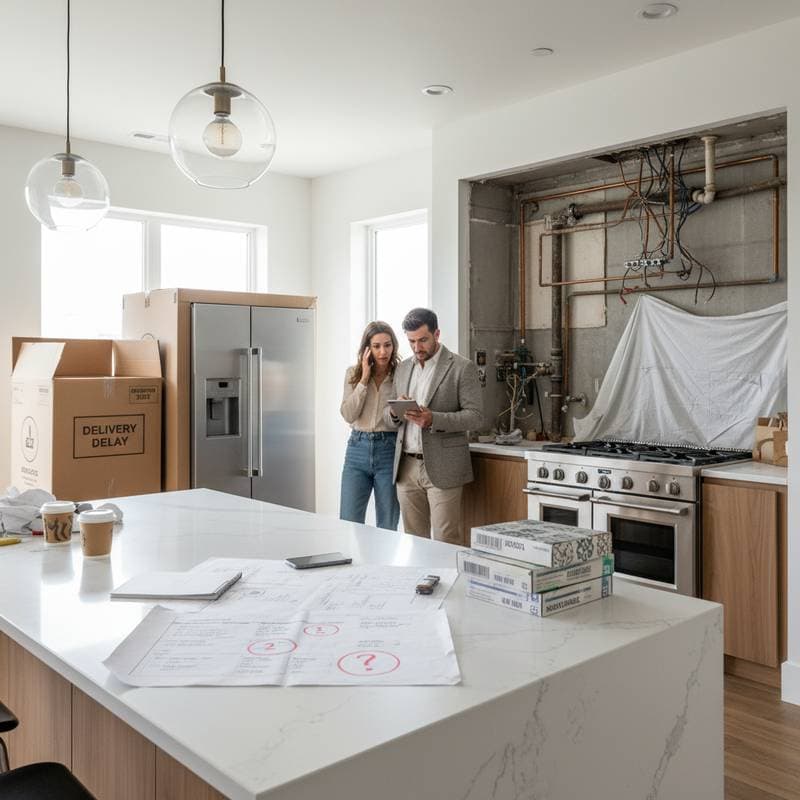
Unexpected Hidden Costs in Kitchen Remodels for 2025
Homeowners often envision a transformed kitchen with modern features like durable countertops and efficient storage solutions. However, the actual expenses frequently exceed initial estimates due to unforeseen elements. These include modifications to plumbing systems and electrical setups, which can significantly impact the total investment. Understanding these potential costs allows for better preparation and helps maintain financial stability throughout the project.
Expenses Beyond Basic Cabinetry
Cabinetry typically accounts for approximately one-third of the overall remodel budget, with standard selections ranging from $8,000 to $15,000. Additional features such as soft-close mechanisms, customized drawer organizers, and integrated lighting can increase expenses by $500 to $3,000, based on the extent of customization. Installation costs may rise if existing walls require alignment or if the design demands structural adaptations.
Opting to refinish or reface existing cabinets presents a more economical choice in many cases. Nevertheless, allocate funds for updated hardware, matching trim, and any necessary repairs revealed during disassembly. Addressing minor flaws or replacing worn components ensures a cohesive appearance and prevents escalating expenses.
Challenges with Electrical and Plumbing Modifications
Relocating fixtures like sinks or integrating advanced appliances appears straightforward until underlying infrastructure is examined. In older homes, electrical systems may fail to meet contemporary safety standards, necessitating upgrades or new circuits that cost $800 to $2,500, depending on the scope.
Plumbing alterations introduce similar complications. Shifting a sink or dishwasher position often requires pipe rerouting, which can add $1,000 to $3,000, particularly if it involves floor or wall modifications. Even without layout changes, inspecting exposed pipes may reveal the need for replacements to safeguard against future issues and preserve the remodel's value.
Structural Modifications and Their Implications
Achieving an open-concept design remains a favored approach, yet removing walls can expose costly challenges. A partition initially viewed as non-essential might prove load-bearing, requiring the installation of support beams and engineering evaluations that range from $2,000 to $10,000 or higher, influenced by the area's dimensions and chosen materials.
Floor preparation presents another potential hurdle. Removing outdated coverings such as tile or linoleum may disclose subfloor irregularities or damage from previous moisture exposure. Correcting these conditions, through leveling or repairs, incurs costs of several hundred dollars prior to installing new surfaces, ensuring durability and preventing problems like uneven tiles or creaking floors.
Appliance Integration and Associated Fees
Selecting premium appliances draws attention, but ensuring proper installation uncovers additional outlays. For instance, a refrigerator with an ice maker demands a dedicated water line, while a wall oven might require an expanded opening or enhanced electrical connections. Installing a range hood vent could add $300 to $800 if the existing configuration does not accommodate it.
Transportation and setup charges further contribute to the total. Although some vendors offer complimentary delivery, tasks like connecting utilities, adjusting levels, or altering cabinetry often incur separate fees. Plan for an extra 10 to 15 percent of the appliance budget to cover these essential adjustments and avoid unexpected demands.
Navigating Permits and Inspection Timelines
Obtaining permits represents a necessary step, as neglecting them risks complications during property resale. Local authorities typically mandate approvals for electrical, plumbing, or structural alterations, with fees spanning $200 to $1,500 according to jurisdiction and project scale.
Extended inspection periods can disrupt schedules, prompting rescheduling of specialized trades and elevating labor expenses. Incorporating a time buffer of one to two weeks, along with a corresponding budget reserve, mitigates these delays and supports a more predictable progression.
Managing Design Evolutions During Construction
Projects proceed most smoothly with thorough upfront planning, yet adjustments often arise once implementation begins. A countertop shade may appear altered under ambient lighting, or the addition of a protective backsplash becomes desirable. Such mid-process changes typically inflate costs by at least 10 percent compared to initial specifications.
Collaborate extensively with designers and contractors from the outset to foresee these shifts. Request comprehensive visualizations, including 3D models, to assess the complete design prior to execution. This proactive approach minimizes revisions and preserves budgetary limits.
Accounting for Labor Variations and Material Shifts
Regional labor rates differ substantially, and extended timelines can lead to increased charges for extended hours or abrupt rescheduling. Supply chain dynamics also influence material pricing; delays in availability for specific tiles or surfaces may necessitate premium shipping or alternative selections at higher rates.
Establish a contingency allocation of 15 to 20 percent within the total budget to address these variables. This provision enables responses to fluctuations without compromising the project's quality or aesthetic goals.
Strategies to Budget Effectively and Execute Successfully
Preparation forms the foundation for cost control in any remodel. Solicit detailed, itemized proposals from several contractors and probe potential challenges in advance. For those with relevant skills, undertaking tasks like surface preparation or initial disassembly can reduce labor outlays, provided coordination with professionals occurs to manage liabilities.
A well-executed kitchen remodel enhances daily living and property value. Through precise financial planning, strategic foresight, and adaptability, homeowners realize their vision while steering clear of budgetary disruptions.