
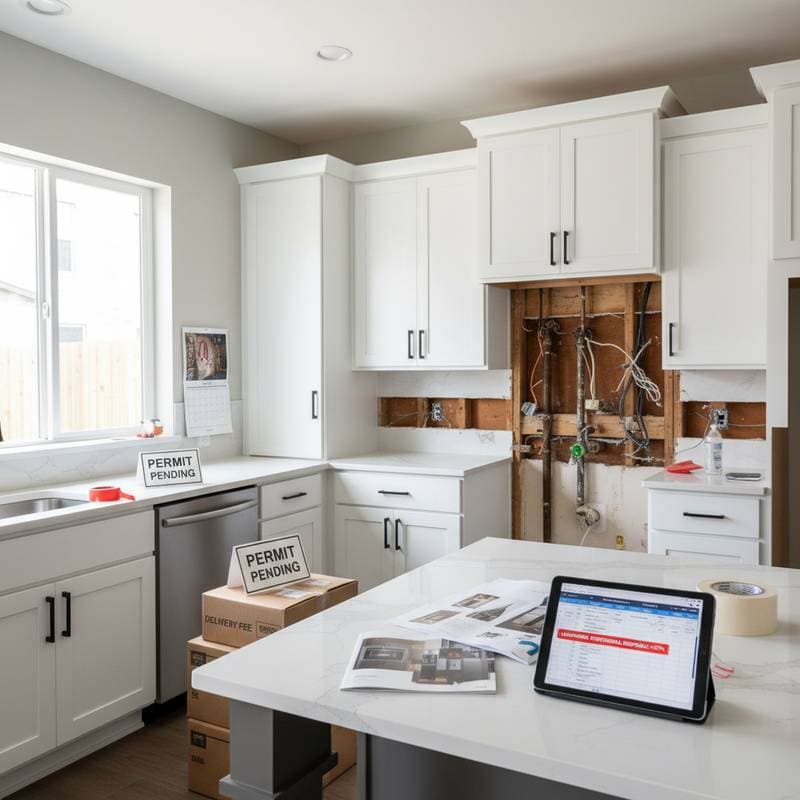
Unforeseen Kitchen Remodel Expenses Nobody Discusses
Homeowners envision updated kitchens with modern appliances and elegant finishes. Many prepare budgets based on quotes for major elements such as cabinets and flooring. However, projects reveal additional expenses that elevate totals by 20 to 30 percent.
These costs arise from factors like structural assessments and regulatory requirements. Preparation involves allocating a contingency fund of 15 to 20 percent. Awareness of common pitfalls enables better financial control and reduces disruptions.
Assessing the True Scope
Initial estimates focus on surface-level changes, yet deeper inspections uncover necessities. For instance, outdated infrastructure demands upgrades to comply with current standards. Homeowners benefit from professional evaluations early to integrate these into plans.
A comprehensive approach includes documenting all potential variables. This method prevents budget overruns and maintains project momentum. Consider consulting experts to map out dependencies between design choices and hidden requirements.
1. Electrical and Plumbing Code Updates
Existing systems may function adequately, but evolving building codes often necessitate modifications. New appliances require enhanced wiring capacity, such as dedicated circuits for high-power devices. Similarly, plumbing adjustments ensure sufficient water pressure and drainage.
Professionals recommend pre-project audits to pinpoint needs. Such evaluations reveal whether rerouting pipes or installing new outlets proves essential. Addressing these proactively avoids interruptions once demolition begins.
Typical costs: $1,200 to $4,000, varying with the scope of rewiring or pipe work.
Preparation strategy: Engage licensed specialists for inspections before finalizing designs. This step confirms compatibility and incorporates upgrades seamlessly, minimizing retrofitting expenses.
2. Permits, Inspections, and Administrative Fees
Regulatory approvals form a critical yet often underestimated component of renovations. Changes to electrical, plumbing, or structural elements trigger requirements for permits and follow-up inspections. Local variations influence fees, and non-compliance risks penalties or future sale complications.
Homeowners should research jurisdiction-specific rules in advance. Online resources from municipal offices provide clarity on documentation needs. Early submission streamlines the process and aligns with contractor schedules.
Typical costs: $500 to $2,500, based on project complexity and regional standards.
Planning strategy: Contact the local building department for precise estimates. Factor these into timelines to prevent delays from expedited applications or revisions.
3. Cabinet Installation Adjustments
Pre-fabricated cabinets demand customization to accommodate real-world conditions. Uneven walls or sloped floors require shims, fillers, and precise trimming for proper alignment. Labor intensifies as installers address these discrepancies on site.
Selecting suppliers who offer measurement services reduces surprises. Discussions about site conditions prior to ordering help anticipate modifications. This foresight ensures a polished outcome without excessive additional charges.
Typical costs: $400 to $1,200 for labor and materials related to fitting.
Expert recommendation: Verify wall and floor levels during initial consultations. Opt for cabinet lines that allow on-site adaptations, and review installation contracts for adjustment provisions.
4. Lighting Layout Revisions
Effective illumination enhances functionality and aesthetics in kitchens. Integrating recessed cans, under-cabinet lighting, or pendants involves routing new electrical paths. Exposed areas during construction may expose obsolete wiring that requires replacement for safety.
Develop a detailed lighting scheme that balances task, general, and decorative elements. Coordinate with electricians to optimize wiring during the rough-in phase. This planning curtails changes after walls close up.
Typical costs: $500 to $2,000, depending on the number of fixtures and electrical modifications.
Design recommendation: Outline lighting zones early in the design process. Specify wattage and placement to guide efficient installations and avoid rework.
5. Temporary Kitchen Setup Expenses
Disruptions from construction extend beyond the worksite, affecting daily routines. Relocating cooking activities incurs costs for alternative meals and basic equipment rentals. These practical needs accumulate over the typical four- to eight-week duration.
Establish a dedicated space with essential appliances to maintain normalcy. Options include countertop units or outdoor setups where feasible. Budgeting for these sustains household operations without undue financial strain.
Typical costs: $250 to $700 for rentals and setups, separate from external dining expenditures.
Practical suggestion: Assemble a provisional area using a microwave, hot plate, and storage solutions. Leverage existing appliances to limit purchases and focus spending on necessities.
6. Risks of DIY Efforts
Undertaking tasks personally appeals for cost savings, yet errors demand professional intervention. Projects like backsplash installation or cabinet finishing involve specialized skills and tools. Missteps lead to material waste and extended timelines.
Identify suitable DIY elements that align with skill levels, such as surface preparation. Delegate complex areas to avoid safety hazards and ensure quality. This hybrid method balances savings with reliability.
Typical costs: $300 to $2,000 for corrections, tools, and discarded materials.
Strategic guidance: Limit involvement to non-structural tasks like painting or assembly. Consult professionals for advice on feasibility, preserving overall project integrity.
7. Impacts of Delays and Coordination Challenges
Unpredictable factors such as supply chain issues or weather affect progress. Extended durations increase labor charges and equipment rentals. Contractor availability further complicates adherence to original schedules.
Secure commitments from suppliers and trades early to buffer against interruptions. Include delay clauses in agreements to define responsibilities. Monitoring progress weekly helps identify issues promptly.
Typical costs: $100 to $500 per week, influenced by contract specifics and scale.
Timeline management: Procure materials ahead of schedule and verify delivery windows. Foster clear communication with the team to resolve conflicts swiftly and sustain momentum.
Strategies for Budget Control and Project Success
Anticipating unforeseen expenses transforms potential obstacles into manageable aspects. Compile a thorough project outline encompassing all phases, from inspections to completions. Integrate the contingency allocation as a core budget element to absorb variances.
Regular reviews with contractors ensure alignment and early detection of deviations. This disciplined approach delivers the desired kitchen while safeguarding finances. Homeowners achieve satisfaction through informed decisions and steady execution.