
Uncover Kitchen Remodel Pitfalls Calculators Skip
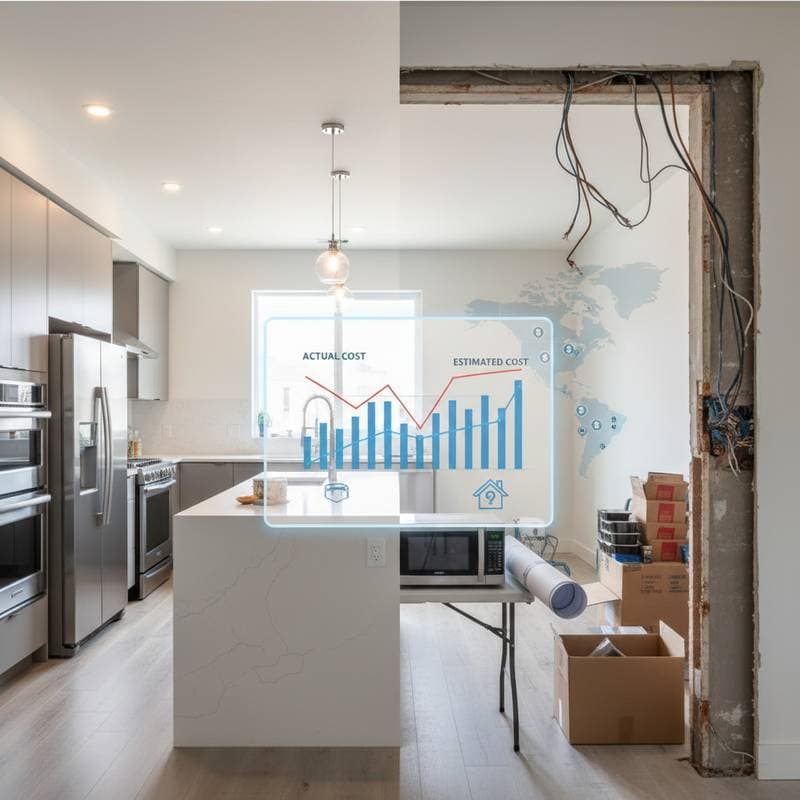
Imagine the gleam of fresh countertops and the smooth operation of new cabinet doors aligning perfectly with your vision. The project seems complete until the final bill arrives, revealing charges absent from your online calculator. These tools offer convenient averages, yet they fail to account for the discoveries that emerge when walls open and a home's true condition appears.
Homeowners approach kitchen remodels with enthusiasm and detailed budgets. However, beneath those projections lurk variables that transform a straightforward update into a financial challenge. Identifying these concealed expenses early allows for informed decisions that preserve both funds and peace of mind.
The Illusion of All-In Pricing
Digital tools and apps reduce remodeling expenses to simple per-square-foot figures. They overlook regional differences that define actual outlays. For instance, a basic kitchen might cost eight hundred dollars per square foot in a low-demand area, but escalate to twelve hundred dollars where labor scarcity, material shortages, or code mandates apply. Calculators apply uniform rates, ignoring the specifics of your home's configuration, age, and current state.
In older properties, concealed problems such as obsolete wiring or inadequate electrical panels surface during work. A contractor might uncover the need for a full panel replacement, incurring two thousand to four thousand dollars. Additional rerouting of plumbing lines, modifications to venting systems, or reinforcements for substantial stone surfaces each contribute thousands more. Such elements evade online estimates since they hinge on hidden structural realities.
Fixture Choices That Multiply Costs
Budgets typically cover major items like appliances, cabinets, and floors, yet minor selections pile up expenses. Selecting a premium faucet appears straightforward, but it necessitates matching valves and connectors that inflate plumbing charges twofold. Features like under-cabinet illumination or integrated USB ports seem inexpensive until extra wiring and circuit capacity reveal their true price.
Hardware options introduce further surprises. Cabinet handles, knobs, and pulls vary from three dollars to thirty dollars apiece. With twenty to thirty units, an initial hundred-dollar allocation expands to one thousand dollars. Standard calculator entries for hardware seldom reflect these choices influenced by aesthetics and functionality.
The Price of Time and Disruption
Duration carries its own financial weight in renovations. A two-week kitchen overhaul translates to hundreds of dollars in purchased meals or makeshift cooking arrangements. Families may invest in a rental kitchen unit or increase dining out, costs that calculators omit despite their impact on the overall expenditure.
Postponements amplify these effects. A delayed countertop fitting could force plumbers and electricians to return, incurring supplementary labor fees. Minor schedule shifts propagate across the timeline, resulting in escalating charges that extend beyond initial plans.
Hidden Code and Permit Expenses
Regulations evolve and differ across locales. Installing a new island with electrical outlets may demand extra permits and inspections, each carrying fees. Certain areas enforce standards for energy-saving lights or improved airflow, requiring specialized fixtures or exhaust systems. These mandates can increase the budget by five to ten percent.
Experienced contractors incorporate permit expenses into bids, but self-managed efforts often undervalue the administrative process and review stages. Overlooking a regulation leads to corrective work, diminishing any advantages from handling tasks independently.
Design Revisions and Change Orders
Projects rarely proceed without alterations. Upon material delivery or wall exposure, adjustments become necessary. A backsplash might clash with ambient light, or cabinet arrangements feel constrained. Each modification incurs charges for supplies and additional labor. Simple tweaks add hundreds of dollars, while significant rearrangements contribute thousands.
Effective control involves thorough upfront preparation and precise dialogue. Secure itemized bids from contractors that distinguish materials, workmanship, and reserves for surprises. Allocate ten to fifteen percent of the budget as a dedicated contingency fund. Calculators propose a mere five percent cushion, inadequate for practical adjustments.
Pro Tips for Success
- Conduct a professional assessment of your current kitchen prior to starting, evaluating electrical load, pipe conditions, and framework stability.
- Solicit at least three detailed proposals that outline provisions for unexpected discoveries.
- When reviewing bids, scrutinize omissions as closely as inclusions to gauge full scope.
- Establish a timeline with built-in flexibility for material lead times and potential delays.
- Document all agreements in writing, specifying processes for handling changes.
Maximize Your Remodel's Long-Term Value
After completion, a kitchen's worth emerges through everyday functionality rather than expense records. A budget rooted in comprehensive foresight enables unburdened appreciation of the space. Each efficient storage solution and comfortable cooking area affirms the rewards of diligent preparation.