
Cut Energy Costs: Spring HVAC Efficiency Tips
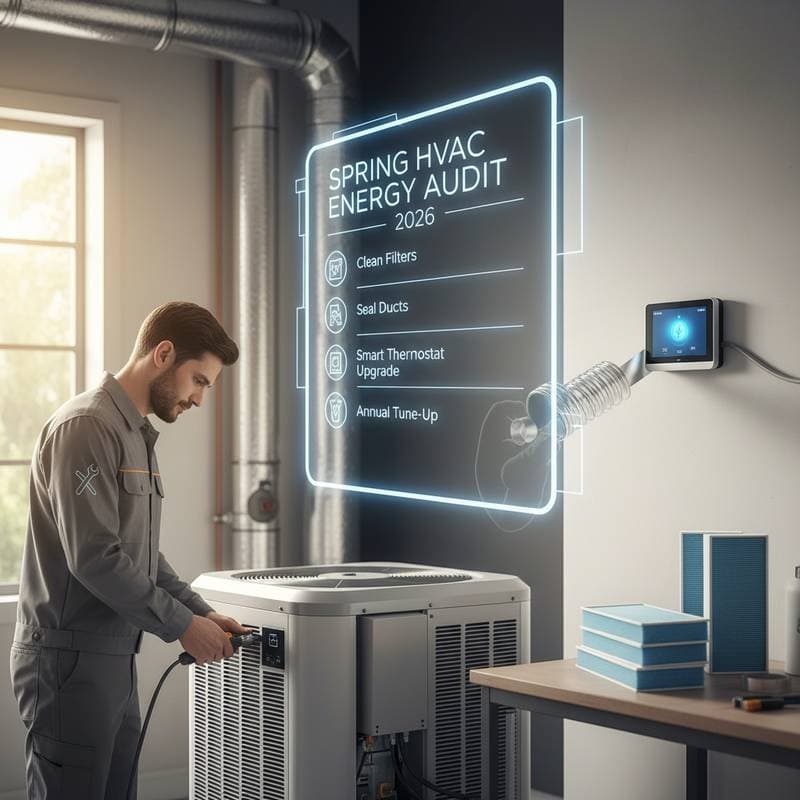
The first warm breeze of spring signals renewal. Homeowners open windows, clean patio furniture, and embrace fresh starts. Among these tasks lies a vital one that saves money and enhances comfort for months: maintaining the HVAC system. Proper tuning transforms this essential equipment into a key tool for reducing household energy expenses while elevating indoor air quality.
Optimize Airflow for Even Comfort
Even airflow prevents uneven temperatures in living spaces. Dust accumulation in vents and filters during winter increases resistance, compelling the system to labor excessively. Start the spring maintenance by replacing or cleaning filters. Standard fiberglass filters cost five to ten dollars, whereas pleated or HEPA options range from fifteen to forty dollars. In homes with pets or in pollen-heavy areas, monthly replacements enhance efficiency and comfort substantially.
Inspect vents and returns for blockages next. Furniture, rugs, or decorations often obstruct circulation. Repositioning these items boosts performance at no additional expense.
Maintain Cleanliness for System Health
Cleanliness ensures the HVAC operates healthily. Vacuum dust from supply vents and registers with a brush attachment to prevent surface damage. If dark residue or mold appears, engage a professional duct cleaner. Full services cost three hundred to five hundred dollars, yet they yield benefits in air quality and equipment longevity.
The outdoor condenser unit requires similar attention. Overgrown vegetation or leaf buildup limits airflow and retains heat, stressing the compressor. Clear at least two feet around the unit and hose off coils to dislodge debris. For persistent grime, apply coil cleaner spray, available for under twenty dollars, which most homeowners can use safely.
Implement Upgrades for Lasting Savings
Efficiency gains frequently stem from intelligent controls rather than full replacements. Install a programmable thermostat as a straightforward upgrade. Basic models cost about fifty dollars, while smart versions that adapt to usage patterns range from one hundred to two hundred fifty dollars. These devices enable temperature adjustments during unoccupied periods, minimizing runtime. Research indicates savings of up to ten percent on yearly heating and cooling expenses through optimal settings.
For existing modern thermostats, explore zoning systems or smart vents. Such features maintain tailored temperatures per room based on occupancy. Installation expenses one thousand to three thousand dollars, but the enhanced comfort and energy reductions suit larger residences well.
Seal Leaks to Preserve Efficiency
Ductwork leaks or inadequate insulation undermine even the best HVAC performance. Ducts in attics or crawl spaces prove particularly susceptible. Escaping air through gaps demands compensatory effort from the system. Examine visible ducts by feeling seams during operation; drafts signal the need for sealing with mastic or foil-backed tape, avoiding standard duct tape that degrades rapidly. Professional sealing runs five hundred to fifteen hundred dollars, scaled to home size.
Insulation plays a crucial role as well. Proper attic insulation stabilizes indoor temperatures and eases HVAC workload. Blown-in cellulose or fiberglass costs one to two dollars per square foot, potentially lowering cooling bills by fifteen percent.
Benefit from Professional Tune-Ups
Professional tune-ups appear optional until weighed against repair costs. Visits average one hundred fifty dollars and encompass coil cleaning, refrigerant checks, electrical tightening, and thermostat calibration. These measures prolong equipment life by years. Technicians identify early wear, such as frayed belts or failing capacitors, averting summer failures.
For aging systems with recurrent issues, evaluate replacement. ENERGY STAR-certified air conditioners offer thirty to fifty percent higher efficiency than outdated units. Initial outlays range four thousand to nine thousand dollars, offset by enduring savings and superior comfort.
Analyze Usage Patterns to Uncover Waste
Energy loss lurks in habitual patterns over isolated errors. Constant system operation overlooks opportunities for natural ventilation in temperate conditions. On mild evenings, open windows for cross-breezes to dispel accumulated heat. Ceiling fans redistribute air effectively, permitting higher thermostat settings without discomfort. Fans consume minimal electricity compared to air conditioners, yielding notable seasonal savings.
Energy monitors provide data insights for the detail-oriented. These devices track HVAC cycling frequency. Frequent short-cycling suggests improper sizing or filter clogs, both escalating consumption and diminishing comfort.
Schedule Maintenance for Optimal Results
Spring timing advantages maintenance due to lighter technician schedules before summer peaks. Early bookings allow repair time prior to high demand and facilitate quote comparisons. In humid regions, request condensate drain inspections; clogs lead to leaks and mold, affecting efficiency and health.
Dry climates suit evaporative coolers with parallel preparations. Clean pads, flush reservoirs, and examine pumps to sustain airflow and cooling through warmth.
Adopt Habits That Enhance Performance
Efficiency depends on equipment and daily practices. Draw blinds during peak sun to block heat entry. Operate ovens or dryers in cooler morning or evening hours. Maintain open interior doors for uniform air distribution. These adjustments compound into tangible reductions.
Frequent travelers should utilize vacation modes or raise settings remotely. Elevating temperatures slightly while absent conserves energy, ensuring comfort upon return.
Essential Strategies for Long-Term Success
- Document all tasks in a maintenance log, including filter changes and tune-ups, to track patterns and support warranties.
- Select filters matching system specifications; higher MERV ratings trap more particles but risk airflow restriction if incompatible.
- Control humidity levels between thirty and fifty percent to avoid cooling strain from excess moisture or perceived chill from dryness.
- Renew weatherstripping on windows and doors yearly; replacements under fifty dollars seal conditioned air effectively.
- Arrange annual professional spring inspections to detect wear early and sidestep costly disruptions.
Experience the Rewards of an Optimized Home
Post-maintenance, homes deliver consistent temperatures, reduced noise, and cleaner air. Bills stabilize against seasonal surges. Sustained practices and timely investments cultivate efficiency, transforming spring routines into year-round advantages.