
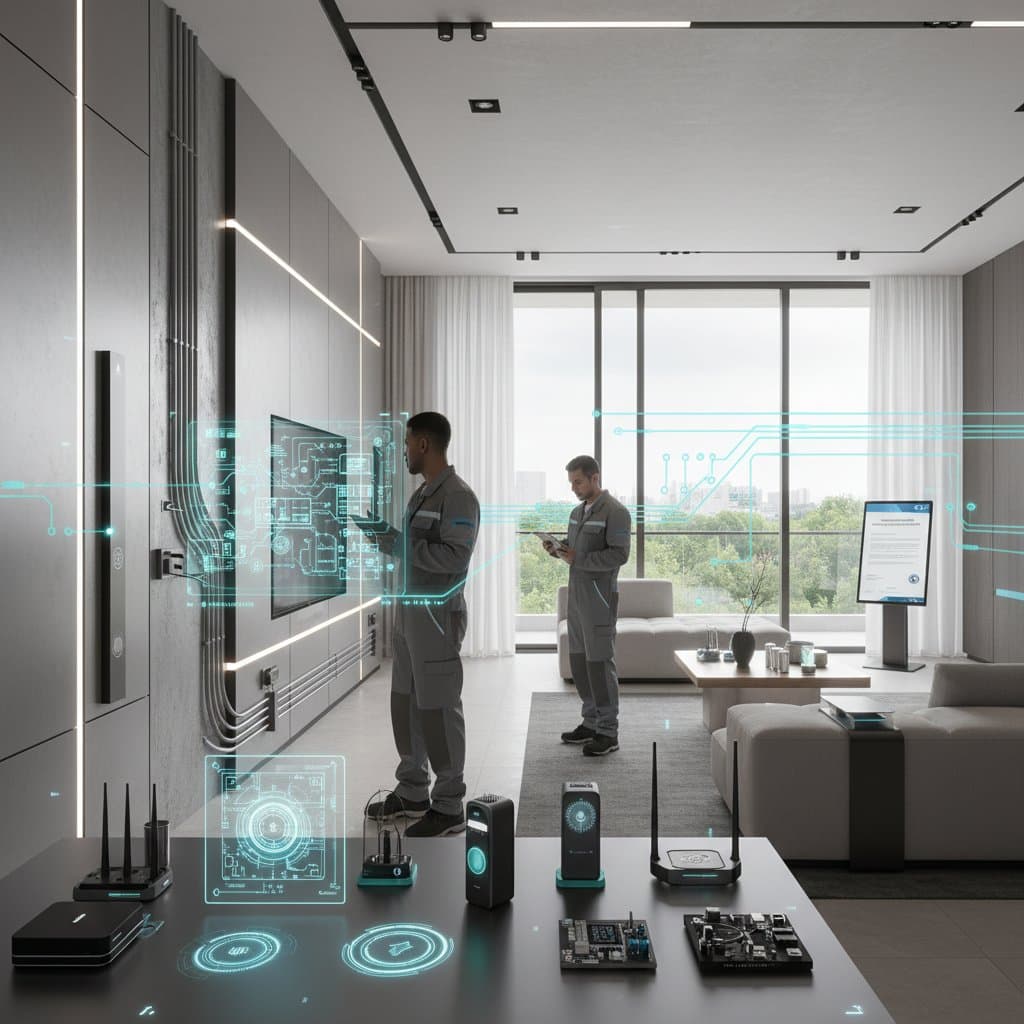
Introduction to Rising Smart Home Costs
Homeowners increasingly seek intelligent living spaces that enhance convenience, security, and efficiency. In 2026, the integration of smart technologies transforms ordinary residences into responsive environments. However, these upgrades come at a premium, driven by rapid innovations and market dynamics.
The allure of automated lighting, voice-controlled appliances, and energy-optimizing systems captivates many. Yet, budgets often expand beyond initial estimates. This article examines key factors elevating costs and provides strategies to navigate them effectively.
Advancements in Technology Driving Expenses
Technological progress forms the core of elevated remodel prices. Devices now incorporate artificial intelligence for predictive behaviors, such as thermostats that learn occupancy patterns to minimize energy use. These features require sophisticated hardware, including high-resolution sensors and processors, which manufacturers price accordingly.
Beyond basic connectivity, 2026 sees widespread adoption of edge computing in home systems. This shift reduces reliance on cloud services, improving speed and privacy but necessitating more powerful local hubs. Retail prices for such components have risen by an average of 15 percent year-over-year, reflecting research and development investments.
Integration of emerging standards like Matter protocol ensures broader device compatibility. While beneficial long-term, initial setup involves premium gateways and firmware updates. Homeowners face these costs upfront, as suppliers pass on certification and testing fees.
The Need for Specialized Labor
Installing smart systems demands expertise beyond traditional remodeling skills. Electricians and technicians must handle low-voltage wiring, network configurations, and software calibrations. In 2026, labor shortages in this niche field push hourly rates to new highs, often exceeding 100 dollars per hour in urban areas.
Certified professionals undergo ongoing training for evolving protocols, such as secure IoT implementations. This specialization translates to longer project timelines and higher bids. A standard smart kitchen retrofit, for instance, might require a team of three specialists over several days, amplifying total expenses.
Contractors also account for troubleshooting complexities. Unlike conventional installations, smart setups involve diagnostic tools and remote monitoring capabilities. These elements ensure reliability but add to the skilled workforce premium.
Stricter Compliance and Regulatory Standards
Governments and industry bodies impose rigorous guidelines on smart home installations. In 2026, updated building codes mandate energy efficiency certifications for connected devices, verifying reduced consumption and emissions. Compliance testing by third-party labs incurs fees that contractors incorporate into quotes.
Data privacy regulations, including enhanced GDPR equivalents in multiple regions, require encrypted communications and user consent mechanisms. Installers must verify system adherence, often involving audits and documentation. Non-compliance risks fines, prompting builders to build buffers into pricing.
Sustainability standards further influence costs. Materials for smart panels and wiring must meet eco-friendly criteria, such as recyclable components. These requirements elevate supply chain expenses, particularly for imported high-tech elements.
Key Regulatory Impacts
- Energy Codes: Devices must achieve specific efficiency ratings, leading to pricier certified products.
- Privacy Laws: Built-in safeguards like biometric locks add engineering overhead.
- Safety Protocols: Fire-resistant cabling and surge protection become mandatory, increasing material costs.
Challenges in System Integration
Creating a cohesive smart ecosystem proves challenging amid diverse device ecosystems. Compatibility issues arise when blending brands, necessitating custom middleware or professional programming. This customization elevates project complexity and associated fees.
Scalability concerns emerge as homes expand smart features. Retrofitting older structures involves structural assessments for conduit runs and signal boosters. Engineers evaluate bandwidth needs to prevent lag in multi-device environments, often recommending fiber optic enhancements.
Future-proofing adds another layer. Designers incorporate modular architectures allowing easy upgrades, such as expandable control panels. While this approach saves money over time, initial investments in versatile infrastructure surpass basic setups.
Ongoing Maintenance and Security Considerations
Smart homes generate continuous expenses beyond installation. Software updates and firmware patches maintain functionality and security, typically requiring subscription services from providers. Annual costs can reach several hundred dollars for comprehensive coverage.
Cybersecurity measures represent a significant outlay. With rising threats, systems include advanced firewalls, intrusion detection, and regular vulnerability scans. Professional monitoring services, essential for deterring breaches, add monthly premiums.
Hardware longevity varies, with batteries in sensors and cameras needing periodic replacement. Predictive maintenance tools, powered by AI analytics, help anticipate failures but rely on data subscriptions. Homeowners must factor these into long-term budgeting to avoid unexpected disruptions.
Essential Maintenance Tips
- Schedule biannual professional inspections to catch integration issues early.
- Opt for devices with over-the-air update capabilities to minimize manual interventions.
- Invest in centralized dashboards for monitoring all connected elements efficiently.
Strategies for Smarter Budgeting
Homeowners can mitigate rising costs through deliberate planning. Begin by conducting a needs assessment, prioritizing features like security cameras over luxury automations. This focused approach allocates funds where impact proves greatest.
Obtain multiple quotes from vetted contractors, comparing not just price but also warranties and support terms. Transparent breakdowns reveal hidden fees, enabling informed negotiations. Timing projects during off-peak seasons may yield discounts on labor.
Explore financing options tailored to smart upgrades, such as green loans offering lower interest for energy-saving installations. Tax incentives for efficient systems further offset expenses. Tracking rebates from utility providers enhances overall savings.
Step-by-Step Budgeting Process
- Define Scope: List desired features and research compatible products.
- Estimate Costs: Use online calculators for hardware and labor projections.
- Build Contingency: Allocate 20 percent extra for unforeseen integration challenges.
- Monitor Progress: Review invoices regularly to stay within limits.
Balancing Innovation with Practicality
Embracing smart remodels in 2026 yields substantial benefits, from reduced utility bills to heightened security. Thoughtful budgeting ensures these advantages without financial strain. Homeowners who plan meticulously enjoy connected living that aligns with lifestyle goals.
The investment pays dividends in comfort and efficiency. Systems that adapt to daily routines foster a seamless environment. Ultimately, strategic choices transform potential expenses into enduring value for modern homes.