
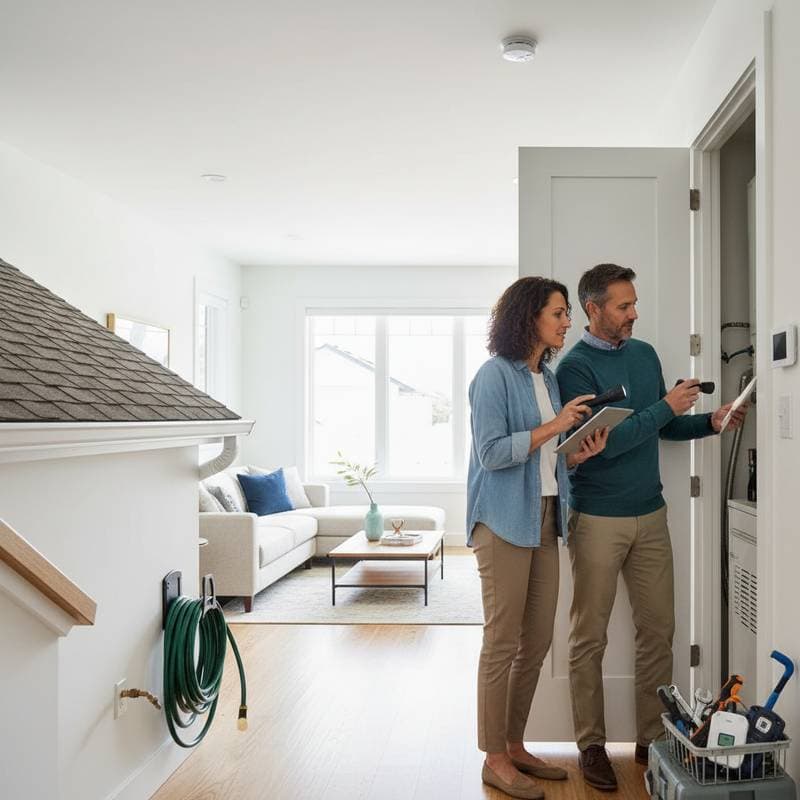
Monthly Checks That Stop Small Issues From Becoming Disasters
Homeownership brings joy and responsibility. Regular maintenance prevents minor problems from escalating into major expenses. This guide details essential monthly checks across key areas, helping homeowners maintain safety, efficiency, and longevity in their properties.
Why Monthly Maintenance Matters
Neglecting routine inspections can lead to hidden damage that accumulates over time. For instance, unchecked leaks might cause structural rot, while ignored electrical issues pose fire risks. By dedicating a few hours each month, homeowners safeguard their investments and ensure a secure living environment.
These checks require basic tools like a flashlight, ladder, and screwdriver. They focus on observation and simple actions, not complex repairs. Consistency builds habits that yield long-term benefits, from reduced utility bills to enhanced property value.
Safety Checks
Safety forms the foundation of home maintenance. Addressing potential hazards monthly minimizes risks to occupants and property.
Test Smoke and Carbon Monoxide Detectors
Locate all detectors in the home. Press the test button on each unit to confirm it sounds loudly. Replace batteries if the chirp indicates low power, typically every six months, but check monthly to stay ahead.
Inspect Fire Extinguishers
Examine the pressure gauge on each extinguisher; the needle should point to the green zone. Verify the pin remains in place and the seal intact. If any device shows expiration or damage, schedule professional servicing immediately.
Check Locks and Security Features
Test all exterior doors and windows for smooth operation. Ensure deadbolts engage fully and latches secure tightly. Lubricate hinges if they stick, preventing forced entry vulnerabilities.
Moisture Control Measures
Moisture invites mold, rot, and structural weakening. Monthly vigilance keeps water at bay and preserves indoor air quality.
Examine Plumbing Fixtures
Look under sinks and around toilets for drips or stains. Tighten connections if water pools form. Wipe surfaces dry and monitor for recurring issues that might signal loose pipes.
Inspect Gutters and Downspouts
Climb a ladder to view gutters for debris buildup. Clear leaves and dirt to ensure proper drainage. Check downspouts for clogs, directing water away from the foundation to avoid erosion.
Scan for Leaks in Basements or Crawl Spaces
Use a flashlight to inspect walls and floors for damp spots or efflorescence, a white powdery residue. Place a dehumidifier if humidity exceeds 50 percent. Seal small cracks with caulk to block future intrusion.
Mechanical Systems Review
Heating, cooling, and appliance systems demand attention to operate efficiently. Routine checks extend their lifespan and cut energy costs.
HVAC Filter and Vent Inspection
Remove and inspect the furnace or air handler filter. Replace it if dirty, as clogged filters strain the system and reduce airflow. Clean vents and registers of dust to maintain even temperature distribution.
Appliance Cord and Connection Check
Unplug major appliances like refrigerators and dryers. Examine cords for fraying or exposed wires. Ensure connections fit snugly without overheating signs, such as discoloration around outlets.
Garage Door and Opener Functionality
Operate the garage door several times, listening for unusual noises. Test the auto-reverse feature by placing a block under the door; it should stop and reverse upon contact. Lubricate tracks and rollers for quiet, smooth movement.
Structural Care Essentials
The home's framework withstands daily stresses. Monthly assessments detect early wear, preserving integrity.
Foundation and Exterior Walls
Walk the perimeter, noting cracks wider than a pencil lead. Monitor settling signs like uneven doors. Trim vegetation away from siding to prevent moisture trapping and pest entry.
Roof and Attic Ventilation
From the ground, scan the roof for missing shingles or curling edges. In the attic, check for daylight through gaps and ensure vents allow airflow. Clear soffit vents of obstructions to regulate temperature and humidity.
Deck or Patio Inspection
Examine railings for stability by applying pressure. Look for loose boards or splintering wood. Tighten fasteners and clean surfaces to avoid slip hazards and decay.
Integrating Checks into Your Routine
Schedule these tasks on the first weekend of each month for consistency. Create a checklist to track completion, rotating focus areas if time limits allow. Involve family members to share the load and raise awareness.
Over time, these habits reveal patterns, such as seasonal vulnerabilities. Adjust based on findings, consulting professionals for anything beyond basic fixes. This proactive approach transforms maintenance from chore to empowerment.
Long-Term Benefits of Consistent Care
Homeowners who perform monthly checks report fewer emergencies and lower repair bills. Systems last longer, efficiency improves, and peace of mind grows. Your home deserves this attention; the rewards extend far beyond the effort invested.