
Spring 2026: Build a Climate-Resilient Home Now
Homeowners must consider climate resilience before the next storm, drought, or heatwave arrives. Weather patterns have become increasingly unpredictable. Those who delay action until after damage occurs often face repair costs that exceed the expense of prevention. Building or upgrading for resilience requires no full reconstruction. Instead, focus on targeted, proactive improvements that safeguard investments, ensure family safety, and maintain comfort.
Spring provides ideal conditions for these upgrades. Mild temperatures simplify exterior tasks. Early preparation eliminates rushed efforts during impending weather events. Residents in flood-prone areas, wildfire zones, or regions with rising heat can implement specific measures to protect properties and minimize future expenses.
Why Climate Resilience Matters for Homeowners
Climate resilience equips a home to endure environmental stresses with minimal damage or intervention. It preserves comfort and functionality amid disruptions such as power failures or heavy rainfall. Insurance providers and real estate professionals increasingly incorporate resilience features into valuations, enhancing long-term property equity.
A resilient home also alleviates anxiety. Consider the challenges of extended power outages or encroaching floodwater near foundations. Preventive measures avert such situations. Preparation replaces panic with confidence.
Reinforcing Your Roof and Exterior
The roof and exterior walls serve as primary barriers against severe weather. Storms target minor vulnerabilities, where even moderate winds can dislodge shingles if underlayment or flashing shows wear.
Recommended actions:
- Inspect and replace aged shingles or tiles. Identify curling, cracking, or absent pieces. Select composite shingles rated Class 4 for superior impact resistance.
- Install hurricane straps or clips. These metal fasteners secure the roof to wall framing, minimizing uplift risks. Costs for a single-story home range from $800 to $1,500.
- Seal exterior penetrations. Apply flexible, UV-resistant caulk around pipes, vents, and cables.
- Install impact-resistant windows and doors. Laminated or tempered glass withstands high winds and debris. Replacement costs per window fall between $700 and $1,200, offering safety alongside energy savings.
In wildfire-prone regions, choose fiber-cement siding or metal roofing over wood or vinyl. These options resist flames and endure elevated temperatures without deformation.
Upgrading for Heat and Energy Resilience
Intense heat and cold strain energy infrastructure, causing failures or inflated bills. Proper insulation and HVAC systems anchor resilience across all climates.
Insulation and sealing:
Enhance attic insulation to R-49 levels where feasible. Close gaps near doors, windows, and ducts with spray foam or weatherstripping. Such enhancements cut energy loss by at least 20 percent, recouping costs in two to three years.
Efficient cooling systems:
Replace outdated central air units with heat pumps. Air-source models perform reliably for heating and cooling, including in cooler areas. Installation expenses vary from $6,000 to $12,000 by capacity, with available rebates and credits reducing outlays.
Backup power:
Prepare for grid interruptions with standby generators using natural gas or propane for automatic startup. Smaller properties may use portable units with transfer switches. Investments range from $1,000 to $8,000 based on scale and fuel.
Smart Water and Air Systems for a Changing Climate
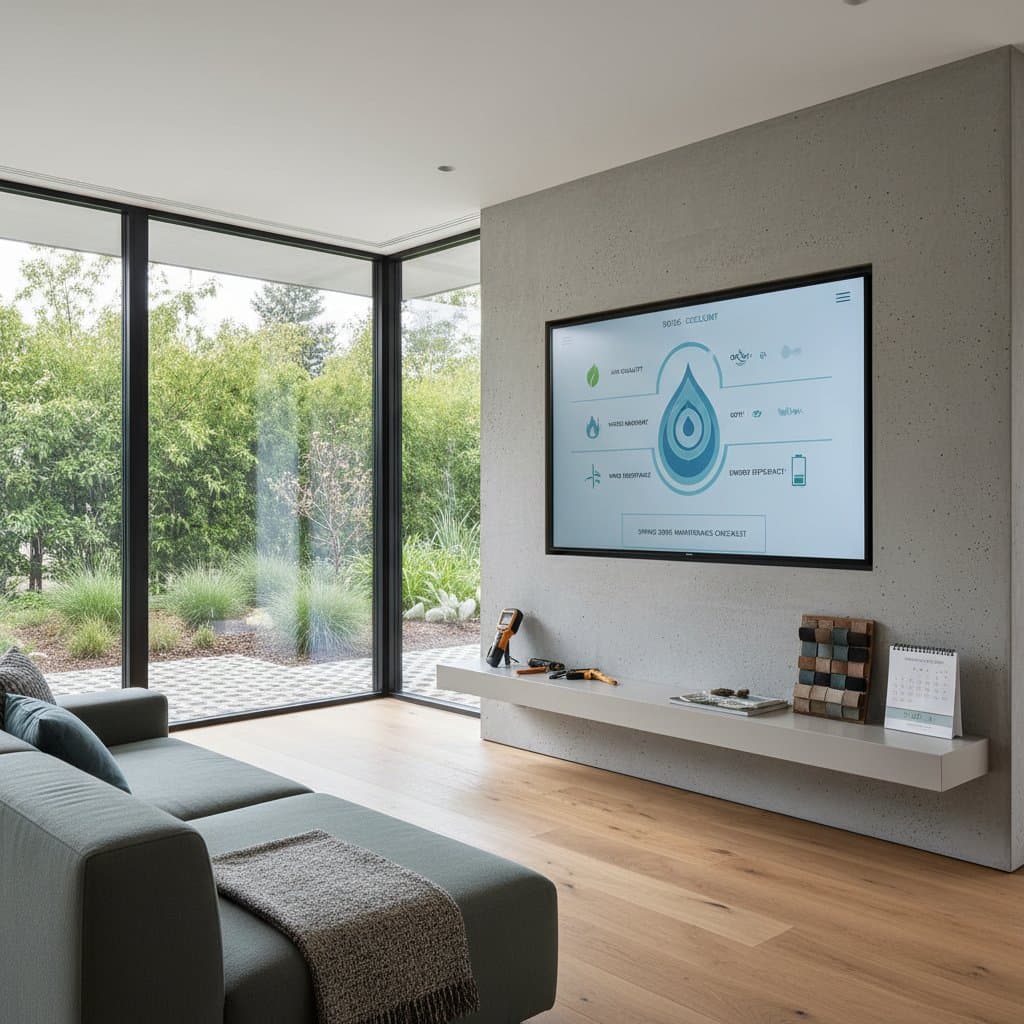
Advanced technology simplifies resilience management. Smart irrigation adjusts based on soil sensors and weather data, conserving water in droughts and avoiding excess during rains.
Indoor air quality:
Filtration gains importance amid frequent wildfire smoke and pollen surges. Whole-house systems or portable HEPA units in essential areas sustain clean air. Integrated HVAC sensors monitor quality and modulate airflow as needed.
Water quality and conservation:
Smartphone-linked leak detectors notify of issues before extensive harm occurs. Whole-home models cost $300 to $600 and integrate easily. Low-flow fixtures and dual-flush toilets curb usage, yielding savings and resource protection.
When to Call a Professional
DIY efforts control costs, yet certain tasks demand expert involvement. Electrical upgrades, structural work, and high-elevation roofing necessitate licensed specialists.
Hire a professional when:
- Local codes require permits
- Alterations impact load-bearing elements or foundations
- Projects involve gas, electrical, or extensive plumbing
- Specialized equipment or safety measures are absent
Confirm contractor credentials, insurance, and references. Seek expertise in climate adaptations and adherence to regional codes and risks.
Maintaining Your Investment
Sustained resilience demands ongoing vigilance. Conduct yearly checks on roofs, gutters, and drainage. Renew weatherstripping upon wear. Service HVAC filters routinely for optimal performance.
Assemble emergency supplies including flashlights, batteries, water, and medical kits. Digitize vital documents against flood or fire threats. Consistent upkeep thwarts minor problems from escalating, while records support insurance and warranty claims.
Pro Tips for Success
- Address one area sequentially. Complete roof or drainage work prior to energy enhancements.
- Record all modifications. Future buyers appreciate documented resilience features.
- Track utility statements. Anomalous increases may indicate leaks or insulation failures.
- Leverage community aids. Local governments often provide complimentary energy audits or fire-prevention services.
- Emphasize durability. Select materials with 20-year warranties and systems suited to evolving climates.
Securing Everyday Comfort Through Resilience
Integrated upgrades yield tangible daily advantages. Expect stable indoor temperatures, reduced bills, and diminished storm concerns.
The core value lies in assurance. Proactive design positions homeowners ahead of weather challenges rather than in response.
Prioritize spring initiatives that fortify durability, from sealing vulnerabilities to advancing energy solutions. Each step enhances your home's capacity to thrive amid uncertainty.