
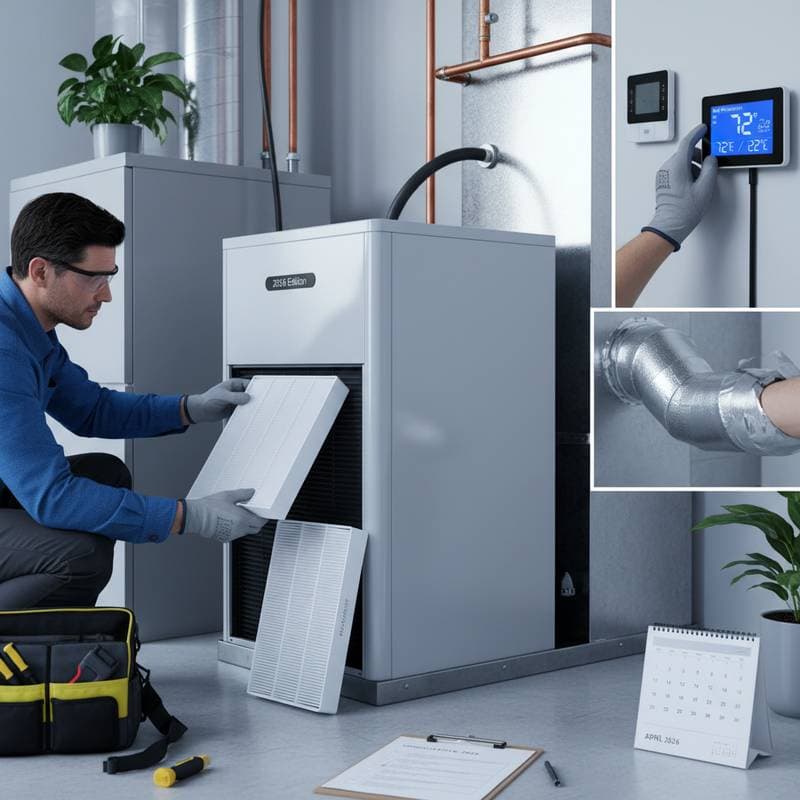
The Spring HVAC Checklist That Saves Big
When the first stretch of mild weather arrives, your HVAC system deserves just as much attention as your garden or outdoor furniture. Spring is the ideal time to prepare your heating and cooling system for heavy summer use. A well-planned HVAC checklist can cut energy bills, prevent mid-season breakdowns, and extend the life of your equipment. This guide breaks the process into clear, systematic steps that deliver measurable savings and long-term comfort.
Why a Spring HVAC Check Pays Off
Most homeowners overlook HVAC maintenance until something fails. Yet a neglected system can waste up to 15 percent more energy, strain mechanical parts, and shorten overall lifespan. A spring tune-up lets you catch small issues before they become expensive repairs. It also ensures your system runs efficiently when temperatures rise, keeping your home comfortable without draining your wallet.
The savings come from three main areas:
- Energy efficiency: Clean filters and properly calibrated thermostats reduce unnecessary power use.
- Preventive repairs: Early detection of worn belts or low refrigerant levels avoids major service calls later.
- System longevity: Regular care keeps components balanced, clean, and properly lubricated, delaying costly replacements.
The Core Spring HVAC Checklist
Below is a practical, results-focused checklist that any homeowner can follow. Each step includes cost ranges, time estimates, and clear indicators of when to call a professional.
1. Replace or Clean Air Filters
- Frequency: Every 30 to 90 days depending on system type and indoor air quality
- Cost: $10 to $40 per filter
- DIY Level: Easy
Dirty filters restrict airflow, forcing the system to work harder. This increases energy use and reduces indoor air quality. Choose a high-efficiency pleated filter rated MERV 8 to 12 for balanced performance. If you have pets or allergies, consider upgrading to a MERV 13 filter for finer particle capture.
2. Inspect Air Vents and Registers
Walk through each room and make sure vents are open and unobstructed by furniture, curtains, or rugs. Vacuum dust buildup with a brush attachment. If airflow feels weak, remove the vent cover and gently clean inside the duct opening. Consistent airflow across rooms helps maintain even temperatures and prevents unnecessary strain on the blower motor.
3. Clean the Outdoor Condenser Unit
- Time Required: 30 to 45 minutes
- Cost: $0 to $10 for basic cleaning supplies
- DIY Level: Moderate
Turn off power to the unit before cleaning. Remove leaves, grass clippings, and debris from the fins using a soft brush. Rinse with a gentle hose stream from the inside out. Keep at least two feet of clearance around the condenser to allow proper airflow. This simple task can improve cooling efficiency by up to 20 percent.
4. Check Thermostat Calibration
A thermostat that reads even two degrees off can increase energy use without you noticing. Compare the displayed temperature to a reliable thermometer. If readings differ, recalibrate or replace the thermostat. Smart thermostats cost between $100 and $250 and can cut energy bills by automatically adjusting temperatures when you are away.
5. Examine Ductwork for Leaks
Duct leaks are silent energy drainers. If you notice uneven temperatures or higher-than-usual utility bills, inspect visible ducts in attics or basements. Look for loose connections, gaps, or missing insulation. Use mastic sealant or aluminum foil tape to close small gaps. For larger systems or hidden ducts, professional testing with a pressure blower costs about $300 but can pay for itself in one season.
6. Test System Performance
After cleaning and inspecting, run the system through a full heating and cooling cycle. Listen for rattling, squealing, or grinding noises. Check that the air feels cool or warm as expected. Abnormal sounds or weak airflow may signal a failing motor, low refrigerant, or clogged coil. If you notice any of these issues, schedule a professional tune-up.
7. Clear the Drain Line
Condensation lines often clog with algae or debris. Pour one cup of vinegar into the line to kill buildup. If water backs up or you notice damp spots near the indoor unit, use a wet/dry vacuum on the outside drain to pull out blockages. Keeping this line clear prevents water damage and mold growth.
8. Inspect Insulation and Sealing
Check attic insulation and window seals for gaps that allow conditioned air to escape. Add weatherstripping where necessary. Proper insulation reduces HVAC workload, leading to lower energy costs and more stable indoor temperatures.
When to Call a Professional
Certain tasks require specialized tools and safety knowledge. Schedule a professional inspection if:
- Your system has not been serviced in a year or more
- You notice refrigerant leaks or ice on coils
- The unit cycles on and off frequently
- Energy bills keep rising despite filter changes
A comprehensive professional tune-up usually costs $100 to $200. This includes checking refrigerant pressure, cleaning internal components, tightening electrical connections, and measuring system performance. Many companies offer seasonal maintenance plans that lock in lower rates and priority service.
How to Maximize Long-Term Savings
Creating a maintenance calendar can prevent overlooked tasks. Mark reminders for filter changes, drain line cleaning, and professional inspections. Pair HVAC care with other seasonal home projects like gutter cleaning or roof inspection to streamline your home maintenance routine.
Common Troubleshooting Scenarios
| Problem | Likely Cause | Quick Fix | When to Call a Pro |
|---|---|---|---|
| Weak airflow | Dirty filter or blocked vent | Replace filter, clear vents | If problem persists after cleaning |
| Uneven temperatures | Duct leaks or poor insulation | Inspect and seal ducts | For large or hidden duct systems |
| Strange noises | Loose components or debris | Turn off system and clean | If noise continues |
| Higher energy bills | Poor calibration or dirty coils | Check thermostat, clean condenser | If bills stay high after maintenance |
Pro Tips for Success
- Always disconnect power before cleaning or inspecting electrical components.
- Keep vegetation trimmed back from the outdoor unit to ensure airflow.
- Avoid covering the condenser with plastic through spring or summer, since trapped moisture can corrode parts.
- Test carbon monoxide detectors if you have a gas furnace integrated with your system.
- Keep a record of all maintenance activities, including dates, costs, and observations. This helps identify patterns and supports warranty claims.
Sustaining Efficiency Year-Round
Routine spring preparation sets the foundation for reliable performance throughout the year. By addressing these steps, you protect your investment and enjoy consistent comfort. Track your energy usage after maintenance to measure the impact and adjust habits for even greater savings.