
Spring HVAC Prep Prevents Summer Breakdowns
The first warm afternoons of spring often bring an urge to open the windows and let fresh air in. Yet a quiet reminder lingers that summer heat approaches. Switching the thermostat from heat to cool reveals much about HVAC system condition. A gentle hum and crisp air indicate readiness while a sputter, rattle, or weak airflow signals the need for attention.
Preparing the air conditioner now prevents sticky, uncomfortable days when the system fails under pressure. A spring HVAC checkup creates peace of mind before summer begins.
Key Steps to Ready Your System
-
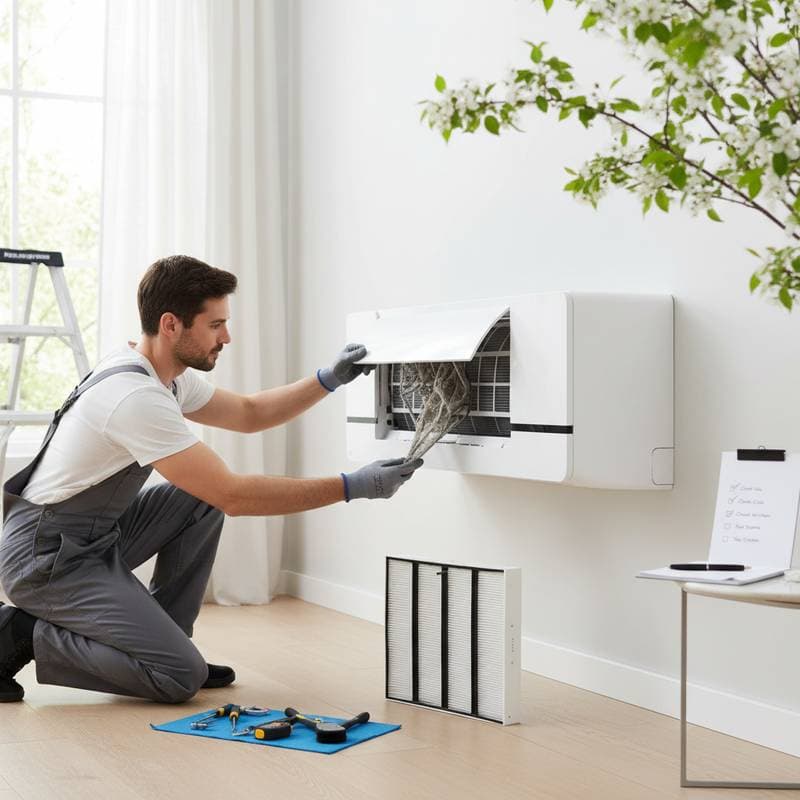
Replace or clean air filters. This task often makes the biggest difference. Dirty filters restrict airflow, forcing the system to work harder and use more energy. Most filters cost between ten and thirty dollars. They should be replaced every one to three months depending on the home environment and filter type. For reusable filters, rinse them thoroughly with water, allow complete drying, and reinstall.
-
Inspect outdoor units for debris. Leaves, twigs, and dirt can collect around the condenser unit during winter. Clear a two-foot radius around it to allow proper airflow. If unit fins are bent, use a fin comb to straighten them. This step improves efficiency and reduces strain on the compressor.
-
Check refrigerant lines and insulation. Follow the copper lines running from the outdoor condenser to the indoor evaporator coil. Insulation should remain intact and snug. Cracked or missing insulation causes cooling efficiency loss. Replacement insulation typically costs under twenty dollars and installs in minutes.
-
Calibrate the thermostat. An accurate thermostat ensures comfort and energy savings. Consider upgrading to a programmable or smart thermostat that automatically adjusts temperatures when occupants are away. These devices can reduce cooling costs by up to ten percent while maintaining consistent comfort.
-
Examine ductwork for leaks or blockages. Leaky ducts can waste up to thirty percent of conditioned air. Look for visible gaps or loose connections in accessible areas. Seal small leaks with foil tape or mastic sealant. Call a professional for larger issues or hidden damage.
Safety and Professional Servicing
Many maintenance tasks suit DIY efforts, yet some inspections require licensed technicians. A professional HVAC tune-up, usually costing between one hundred and two hundred dollars, includes refrigerant checks, electrical testing, and system calibration. This service identifies worn parts before failure and ensures safe, efficient operation.
Confirm that the electrical disconnect box near the outdoor unit functions properly. Turn off power before any hands-on cleaning or inspection to avoid injury.
Long-term Benefits of Seasonal Maintenance
Regular spring maintenance extends air conditioner lifespan and reduces energy consumption. A tuned system runs quieter, cools faster, and handles temperature swings more smoothly. Beyond comfort, it prevents costly breakdowns that often occur during peak heat when technicians are hardest to schedule.
Pro Tips for Success
- Schedule HVAC service early in the season before technicians become booked.
- Replace filters more frequently with pets or dusty conditions present.
- Keep interior vents unblocked by furniture or rugs.
- Use ceiling fans to circulate cool air and reduce strain on the AC.
- Record maintenance dates and filter sizes for seasonal readiness.
Sustaining Long Term Efficiency
Once the system is cleaned, inspected, and tuned, only small habits maintain efficiency. Keep the outdoor unit clear throughout the year, change filters regularly, and listen for unusual sounds. These checks build confidence that the home will stay calm and comfortable when the hottest days arrive.