
Spring HVAC and Plumbing Preparation to Avoid Summer Issues
The arrival of the first warm breeze signals a transition. Air conditioners begin to hum in neighborhoods, and garden hoses uncoil for seasonal use. This moment presents an opportunity to ready your home's systems for upcoming demands. Focus on HVAC and plumbing maintenance to ensure comfort and avoid disruptions.
The Risks of Postponing Maintenance
Homeowners often postpone checks until problems arise. An air conditioner may operate louder than normal, or water pressure might decrease slightly. By midsummer, service providers face heavy demand, leading to delays in repairs and part availability. Proactive spring efforts prevent discomfort, elevated expenses, and unnecessary resource waste.
How HVAC and Plumbing Systems Interconnect
HVAC and plumbing systems appear independent but influence each other. Air conditioning produces condensation that drains via pipes linked to plumbing. Blockages in these lines cause backups, potentially damaging walls or floors. Leaky pipes increase humidity, which compels the HVAC unit to labor more for temperature control. View these systems as an integrated network to promote overall efficiency during warm weather.
Step 1: Conduct a Comprehensive HVAC Inspection
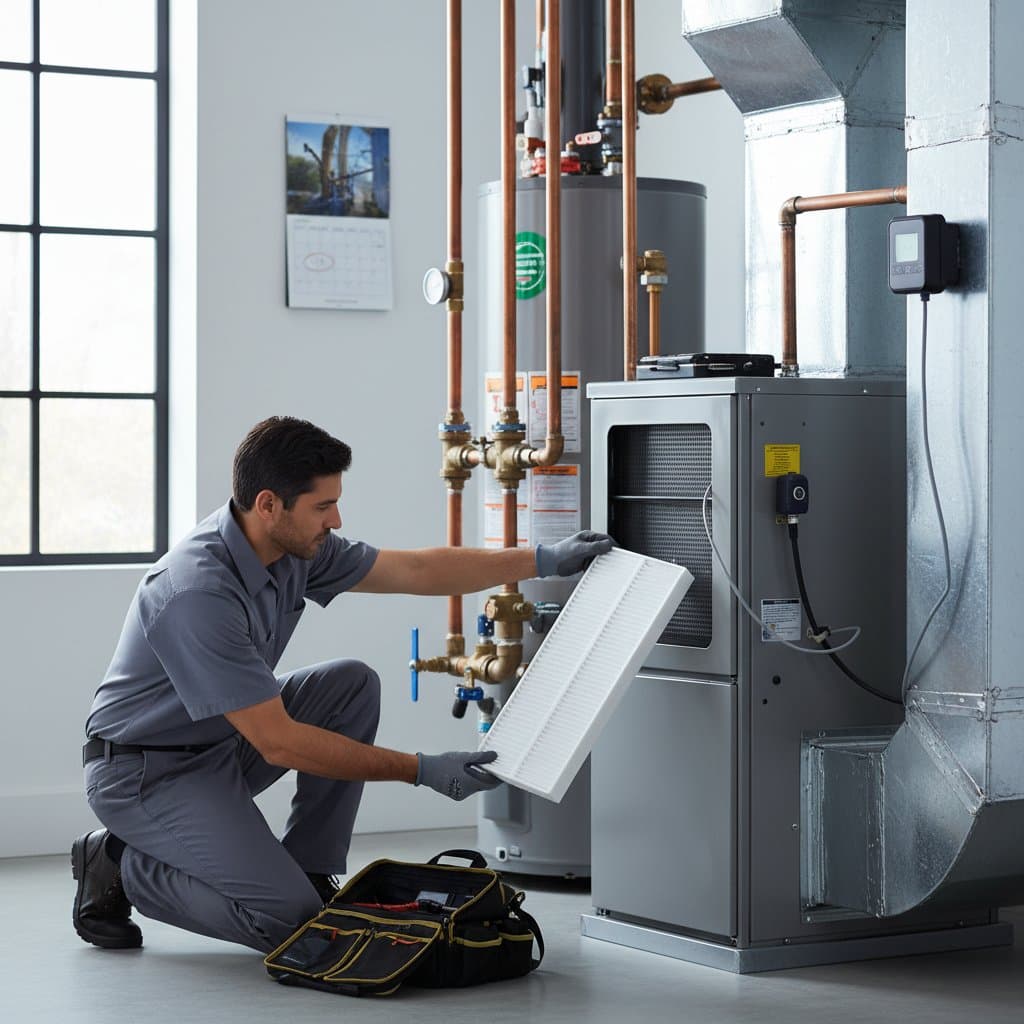
Replace the air filter as the initial task. This simple action often receives neglect, yet a dirty filter lowers efficiency by as much as 15 percent and stresses the compressor. Select a pleated filter suited to your unit and schedule monthly reviews during peak operation.
Clear the outdoor condenser of debris next. Leaves, branches, and clippings obstruct airflow. Maintain a two-foot clearance from surrounding plants and rinse coils using a standard garden hose. Steer clear of high-pressure water to avoid damaging the fins.
Examine indoor vents and ducts for accumulated dust. Uneven airflow across rooms indicates a need for professional cleaning, which ranges from 300 to 600 dollars based on home dimensions. Such service enhances air quality and optimizes energy consumption by facilitating unrestricted air movement.
Run a full system test prior to intense heat. Adjust the thermostat lower by a few degrees and operate the unit for 10 to 15 minutes. Monitor for unusual noises or vibrations. If vents emit warm air, engage a certified technician promptly to sidestep seasonal price surges.
Step 2: Perform Essential Plumbing Evaluations
Assess plumbing for leaks, corrosion, and pressure variations in spring. Inspect beneath sinks and near toilets for moisture or stains on surfaces. A minor drip wastes substantial water volumes over months.
Evaluate exterior faucets and hoses for winter-induced damage. Activate each faucet and observe connections to walls for drips. For irrigation setups, execute a brief test and check sprinkler heads for obstructions or irregular patterns.
Inspect the water heater by setting its temperature to 120 degrees Fahrenheit, balancing efficiency and safety. Drain several gallons to flush sediment that hampers operation. If the unit exceeds 10 years or displays rust, opt for a high-efficiency replacement. Installation by professionals costs 1,000 to 2,500 dollars, varying by size and energy source.
Step 3: Enhance Energy Efficiency Across Systems
With systems operational, integrate measures to boost joint performance. A smart thermostat refines cooling schedules and cuts energy costs by up to 10 percent. Combine this with low-flow fixtures to ease demands on the water heater. These modifications yield annual savings of hundreds in utilities.
Apply insulation to exposed pipes in attics, garages, or crawl spaces to minimize heat escape from hot water lines. This adjustment accelerates hot water delivery to fixtures and conserves energy. Foam sleeves, priced under one dollar per foot, provide durable protection.
Consider programmable schedules that align HVAC operation with plumbing usage patterns, such as reduced cooling during low-occupancy periods. These strategies extend equipment life and lower environmental impact through reduced consumption.
Step 4: Recognize When Professional Help Is Necessary
Home efforts address many needs, but certain signs require experts. Frost on refrigerant lines or hissing from the compressor demands immediate shutdown and HVAC specialist intervention. Refrigerant management necessitates certification and proper tools.
For plumbing, summon a licensed professional if pressure remains low, pipes show copper corrosion, or dampness appears near the water heater. These symptoms point to underlying problems like scale deposits or concealed leaks. Swift action averts extensive damage and repair expenses.
Professionals also detect issues invisible to untrained eyes, such as duct leaks or pipe pinholes. Their assessments include diagnostic tools that pinpoint inefficiencies early.
Step 5: Plan Finances for Routine Maintenance
Routine care represents an investment rather than a cost. An HVAC tune-up by a professional falls between 100 and 200 dollars, while a plumbing review averages 150 dollars. These figures pale against 5,000 dollars for a new air conditioner or thousands for pipe burst remediation.
Establish a dedicated fund for seasonal upkeep. Allocate 300 to 400 dollars annually to cover inspections and minor fixes. This approach maintains budget stability and system reliability.
Track expenses through simple records to identify patterns, such as recurring filter needs, and adjust plans accordingly.
Practical Strategies for Effective Maintenance
- Arrange HVAC and plumbing services concurrently to minimize fees.
- Maintain a digital record of filter replacements, checks, and fixes.
- Employ environmentally safe cleaners for drain flushes and coil wipes to safeguard systems and surroundings.
- Update weatherstripping on doors and windows to lessen cooling requirements.
- Verify sump pump function by adding water to the basin and confirming activation, particularly ahead of rains.
Realize Long-Term Benefits from Seasonal Preparation
Consistent spring maintenance secures summer comfort without interruptions. Systems operate at peak efficiency, yielding lower bills and fresher air. Homeowners gain peace of mind, knowing small efforts prevent major setbacks. Invest time now to enjoy seamless performance through the hottest months.