
Spring Checklist for Smart Home Efficiency
Homeowners often believe that achieving greater efficiency requires extensive renovations. In reality, a targeted checklist of seasonal maintenance and technology updates suffices. Spring provides the perfect opportunity to ready home systems for rising temperatures, enhance energy performance, and refine automations that conserve resources and streamline daily life.
View this process as an annual recalibration. Beyond basic cleaning tasks such as clearing dust from vents or replacing filters, focus on fine-tuning the central intelligence of the home. These steps ensure seamless operation and long-term savings.
Optimizing Smart HVAC Systems
Heating, ventilation, and air conditioning systems represent the primary consumers of home energy, frequently comprising almost 50 percent of monthly utility expenses. A thorough smart HVAC tune-up establishes a foundation for year-round efficiency and consistent comfort.
-
Replace air filters and clean vents. Clogged filters force systems to labor excessively, increasing energy demands. Filters typically cost between $10 and $40 each, with replacements recommended every one to three months depending on usage.
-
Examine ductwork for leaks. Minor openings can lead to the loss of up to 20 percent of cooled or heated air. Seal identified gaps with aluminum foil tape, or engage a professional for complex repairs involving loose joints.
-
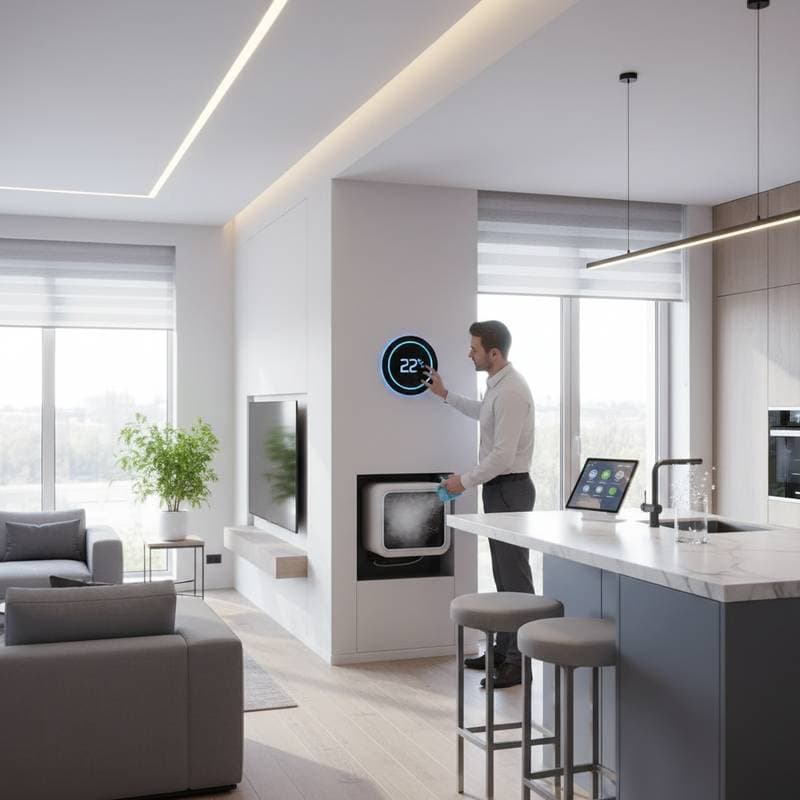
Calibrate and connect your thermostat. Smart models may lose accuracy over time. Verify temperature readings with a separate thermometer, then ensure a stable Wi-Fi connection to enable precise scheduling and remote adjustments via mobile apps.
-
Arrange for professional servicing. Technicians certified in HVAC maintenance charge $100 to $200 for comprehensive spring checks, which encompass cleaning evaporator coils, verifying refrigerant levels, and testing overall functionality.
For systems exceeding 10 years in age, evaluate options like variable-speed compressors or units with integrated smart controls. Initial investments range from $3,000 to $6,000, yet reduced energy consumption and superior air quality often yield payback within a few years.
Enhancing Lighting and Energy Management
Lighting accounts for a significant portion of household electricity use, yet smart integrations offer straightforward paths to reduction. Spring assessments allow alignment with longer daylight hours and seasonal needs.
-
Audit and upgrade bulbs. Transition to LED smart bulbs compatible with systems like Philips Hue or LIFX. These options dim automatically based on occupancy or time of day, potentially slashing lighting energy by 75 percent compared to incandescents.
-
Program scene automations. Configure routines in your smart hub to activate natural light sensors or geofencing for arrivals and departures. Test connections to avoid disruptions during peak usage.
-
Integrate with whole-home controls. Link lighting to voice assistants such as Alexa or Google Assistant for hands-free operation. This setup not only conserves power but also enhances security through simulated occupancy patterns.
Regular reviews prevent overlooked inefficiencies, ensuring that lighting supports rather than strains the home's energy profile.
Streamlining Water and Irrigation Systems
Water management systems frequently escape attention until emergencies arise, such as leaks or water restrictions. Spring preparation safeguards yard vitality while promoting conservation.
-
Adjust irrigation controllers. Devices like Rachio or Orbit rely on local weather forecasts and soil moisture data for precise scheduling. Confirm sensor functionality and Wi-Fi stability to activate adaptive watering cycles.
-
Check hoses, valves, and fixtures. Winter freezes may damage components. Inspect for cracks or wear, replacing parts promptly to handle increased spring pressure without failures.
-
Deploy leak detection sensors. Position these under sinks, around water heaters, or in basements to monitor for moisture. Affordable models starting at $50 integrate with smart home ecosystems, alerting users instantly to avert extensive damage and high repair bills.
Adopting weather-responsive irrigation reduces outdoor water consumption by 20 to 40 percent, transforming fixed timers into dynamic, efficient tools.
Securing and Automating Home Perimeters
As temperatures rise, outdoor activities increase, making security automations essential for peace of mind. Spring resets fortify these systems against seasonal vulnerabilities.
-
Test cameras and motion sensors. Clean lenses and verify Wi-Fi links for devices from brands like Ring or Nest. Update firmware to incorporate new features such as AI-driven alerts for unfamiliar faces.
-
Refine access controls. Program smart locks and garage door openers to align with family schedules. Enable two-factor authentication and review activity logs for unauthorized attempts.
-
Synchronize with lighting and alerts. Create integrated routines where motion triggers lights and notifications. This layered approach deters intrusions while minimizing false alarms through refined sensitivity settings.
Robust security not only protects assets but also integrates with efficiency goals by automating responses that reduce manual interventions.
Refining Kitchen and Appliance Performance
Appliances in the kitchen represent ongoing energy draws, but smart diagnostics reveal opportunities for optimization. Spring evaluations leverage built-in data to address subtle inefficiencies.
-
Execute maintenance cycles on ovens. Initiate self-cleaning modes and apply software updates via manufacturer apps to restore peak performance and energy ratings.
-
Activate efficient modes in dishwashers. Select eco settings for partial loads, which use less water and electricity without compromising cleanliness.
-
Inspect refrigerator components. Test door seals by inserting and pulling a dollar bill; easy slippage indicates the need for gasket replacement, typically costing $50 to $100.
-
Maintain water-dependent units. Clean inlet filters on dishwashers and descale coffee makers or ice makers to prevent scale buildup that hampers flow and increases power use.
These targeted checks extend appliance lifespans and align operations with broader home efficiency standards.
Executing Your Efficiency Plan
Approach the reset methodically rather than attempting all tasks simultaneously. Prioritize HVAC and lighting systems initially, progress to water and security features, and conclude with appliance reviews. This phased strategy prevents overwhelm and allows observation of immediate improvements.
Document all actions, including receipts and service timestamps, within a dedicated smart home application or digital repository. For expert assistance, seek professionals specializing in smart integrations or energy assessments; comprehensive evaluations cost $200 to $400 and cover diagnostics plus optimizations.
Following implementation, expect enhanced automation reliability, diminished utility expenses, and reduced unexpected repairs. This reset cultivates a residence that anticipates needs, conserves resources, and delivers sustained comfort throughout the seasons.