
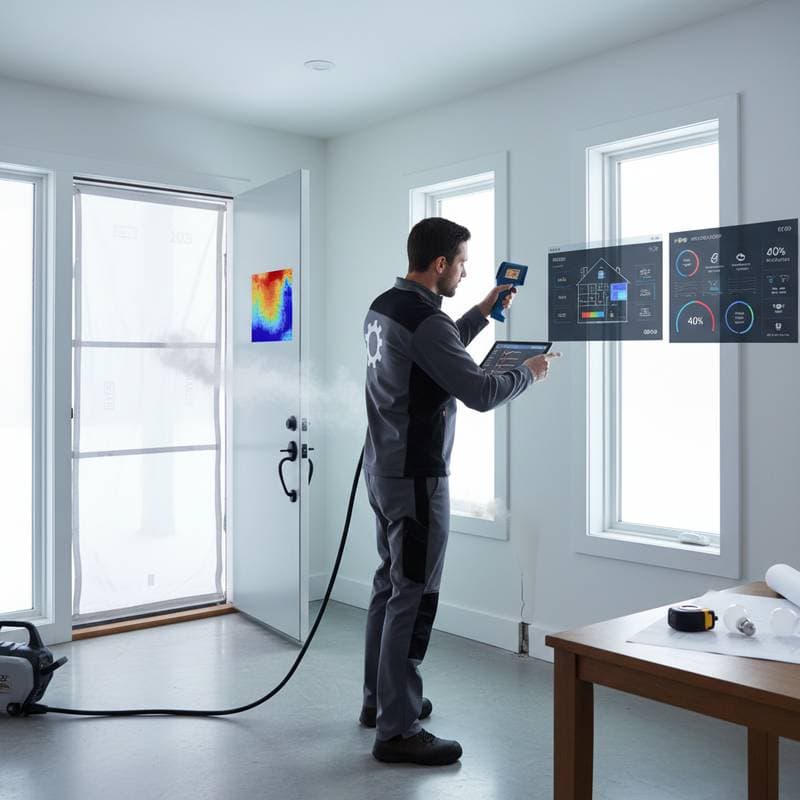
Reduce Winter Heating Bills by 30 to 40 Percent Through Energy Audits
Winter arrives with rising utility bills for many homeowners. The challenge often lies not in generating heat, but in retaining it. Heat escapes through unseen gaps and poor insulation, forcing heating systems to work harder. A comprehensive energy audit identifies these issues, enabling targeted improvements that lower costs by 30 to 40 percent.
This guide provides a structured approach to conducting a home energy audit. Homeowners require no specialized expertise. Basic tools and a few hours of focused inspection reveal opportunities for efficiency gains. Address these findings promptly to prepare for the coldest weather.
Step-by-Step Framework for a Home Energy Audit
Follow this sequence to evaluate your home systematically. Each step builds on the previous one, covering the building envelope, systems, and usage patterns.
1. Inspect the Building Envelope
The building envelope forms the barrier between indoor warmth and outdoor cold. It encompasses walls, the roof, foundation, and all exterior surfaces. Breaches in this barrier allow heated air to escape and cold air to infiltrate.
Inspection Checklist:
- Examine the exterior for gaps in siding, around vents, and at foundation cracks.
- Inside, use a smoke pencil or lit incense near window frames, baseboards, and outlets to detect air movement.
- Measure attic insulation; aim for 10 to 14 inches of material to meet modern efficiency standards.
Immediate Actions:
- Apply caulk to minor cracks and weatherstripping to door and window edges.
- Install expanding foam sealant around pipes and wiring penetrations.
- Fit door sweeps on all exterior doors to block drafts at floor level.
These measures alone can cut heat loss by up to 20 percent, providing quick returns on minimal investment.
2. Evaluate Windows, Doors, and Entry Points
Windows and doors represent common weak points in the envelope. Single-pane glass and worn seals contribute significantly to energy loss. Assess these areas to identify upgrades that enhance thermal performance.
Inspection Checklist:
- Test windows for tightness by pressing on frames; look for gaps larger than 1/16 inch.
- Check door alignment and seals; cold air entering indicates replacement needs.
- Inspect garage doors for insulation and weatherproofing, as they often overlook efficiency.
Immediate Actions:
- Install storm windows or apply plastic film kits to existing single-pane units.
- Replace drafty doors with energy-efficient models rated for low U-factors (below 0.30).
- Add insulated curtains or cellular shades to windows for an additional layer of protection.
Upgrading these elements can improve overall home efficiency by 10 to 15 percent, especially in older structures.
3. Assess Heating System Efficiency
The heating system delivers warmth throughout the home. Inefficiencies here amplify losses elsewhere, increasing fuel consumption. Regular evaluation ensures optimal operation during peak demand.
Testing Methods:
- Replace air filters monthly; dirty filters restrict airflow and strain the system.
- Monitor for unusual sounds or short cycling, which signal maintenance issues.
- Schedule a professional combustion analysis and duct leakage test for precise diagnostics.
Performance Standards:
- Select furnaces with Annual Fuel Utilization Efficiency (AFUE) ratings of 90 percent or higher.
- For heat pumps, target Heating Seasonal Performance Factor (HSPF) ratings above 8.5 in colder regions.
A professional tune-up, typically costing 100 to 150 dollars, boosts efficiency by 10 to 15 percent and extends equipment life.
4. Examine Attic, Ventilation, and Airflow
Proper attic insulation and ventilation prevent heat from rising unused into the roof space. Poor airflow distribution leads to uneven temperatures and wasted energy. This step ensures balanced circulation.
Inspection Checklist:
- Verify insulation coverage; uneven or compressed material reduces effectiveness.
- Check soffit and ridge vents for blockages that trap moisture and heat.
- Inspect ductwork in attics or crawl spaces for leaks and insulation integrity.
**Immediate Actions:**n- Add blown-in cellulose or fiberglass insulation to reach recommended depths.
- Seal duct joints with mastic sealant and wrap exposed sections in foil-faced material.
- Install baffled vents to promote airflow without allowing insulation intrusion.
Optimizing this area reduces heat loss through the roof by 25 percent or more, stabilizing indoor temperatures.
5. Analyze Appliance and Lighting Energy Use
While heating dominates winter costs, appliances and lighting contribute to the total load. Phantom power from standby devices and inefficient bulbs add unnecessary expenses.
Assessment Steps:
- Identify and unplug electronics in standby mode, such as chargers and TVs.
- Audit lighting fixtures; count hours of use for high-wattage bulbs.
- Install smart power strips that cut power to idle devices automatically.
Efficiency Improvements:
- Transition to LED bulbs, which consume 75 percent less energy than incandescents.
- Choose Energy Star-rated appliances for replacements, focusing on those with programmable features.
- Adjust thermostat settings with a programmable model to lower temperatures when away.
Households often realize annual savings of 100 to 200 dollars from these changes, compounding heating reductions.
Address Common Energy Loss Issues
Certain signs point to specific problems. Targeted troubleshooting resolves them efficiently.
- Cold Floors Over Crawl Spaces: Install rigid foam boards between floor joists and seal unnecessary vents to control moisture.
- Ice Dams on Roof Eaves: Enhance attic insulation and add soffit vents to improve ventilation and melt prevention.
- Inconsistent Room Temperatures: Clear blocked vents, seal leaky ducts, and balance airflow with damper adjustments.
- Window Condensation: Improve edge insulation, deploy a dehumidifier, and confirm exhaust fans direct moisture outside.
Resolving these issues prevents larger problems and amplifies audit benefits.
Maximize Savings with Sustained Improvements
Energy audits deliver immediate insights, but long-term strategies yield enduring results. Invest in high-efficiency upgrades like advanced insulation or zoning systems, which recoup costs within two to three seasons. Track utility bills post-audit to measure progress and refine habits. Professional audits, often subsidized by utility programs, provide detailed reports and rebate guidance. Commit to annual reviews to maintain efficiency as the home ages. These efforts transform winter living into a season of comfort and financial ease.