
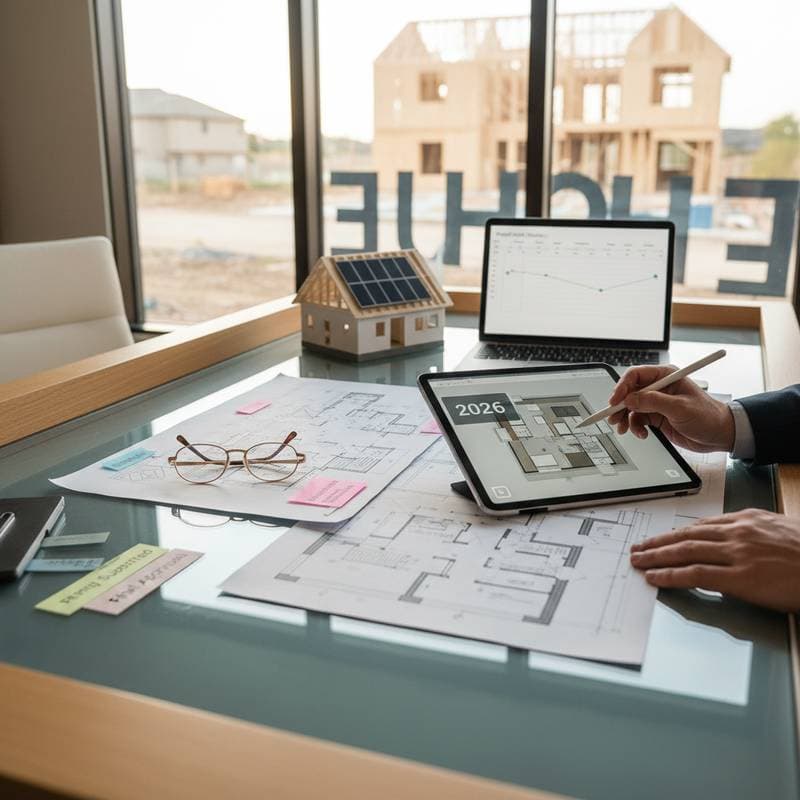
Eliminate Permit Challenges for Efficient 2026 Renovations
Building permits represent a critical element in any renovation project. Delays arising from incomplete paperwork, scheduling conflicts with inspections, or misunderstandings of local regulations can extend timelines and inflate costs significantly. As municipalities adopt updated standards and online systems, proactive preparation emerges as the key to maintaining project momentum.
The objective remains straightforward: allocate more effort to enhancing your living space and minimize time spent on bureaucratic hurdles. This guide delineates strategies for traversing the permit landscape with precision, minimizing revisions, and fostering productive interactions with authorities. Applicable to endeavors such as kitchen overhauls, deck installations, or basement conversions, these methods can avert weeks of setbacks and substantial financial overruns.
Charting the Permit Timeline
Integrate permitting into your project schedule as a distinct phase, complete with deadlines and prerequisites. Local authorities typically adhere to a structured progression:
- Initial consultation: Engage with the building department to review project scope, zoning implications, and necessary submissions.
- Plan submission: Furnish detailed blueprints, specifications for materials, and engineering analyses as mandated.
- Review phase: Department personnel evaluate adherence to building codes, a process that spans multiple weeks.
- Issuance and display: Upon approval, remit fees and affix the permit visibly at the site.
- Milestone inspections: Schedule evaluations at pivotal stages, including foundational work, structural framing, electrical installations, and project culmination.
- Closing approval: Verify full compliance to finalize the permit.
Success hinges on meticulous documentation and ongoing dialogue. Monitor progress akin to financial tracking, retaining duplicates of all filings and exchanges to facilitate swift resolutions.
Optimizing the Application Process
Applications frequently serve as bottlenecks due to omissions or ambiguities. Incomplete endorsements, vague schematics, or obsolete templates invite protracted reviews. Counter these issues through targeted preparations:
- Adopt online portals: Where offered, utilize electronic filing systems for seamless uploads and real-time status monitoring.
- Organize submissions meticulously: Affix clear identifiers to each file, encompassing site location, initiative descriptor, and originator details.
- Engage specialists for intricate undertakings: Permit expediters possess in-depth knowledge of regional ordinances and accelerate endorsements.
- Develop precise visuals: For modest alterations, rudimentary sketches illustrating measurements, components, and integrations suffice for examiners.
- Validate zoning parameters upfront: Scrutinize requirements for boundaries, elevations, and encumbrances to preempt disqualifications.
A thorough dossier conveys diligence and consideration for reviewers' workloads, frequently expediting the validation cycle.
Sidestepping Frequent Permit Errors
Minor lapses can precipitate major interruptions. Vigilance against prevalent errors proves essential:
- Premature commencement: Refrain from initiating structural alterations prior to endorsement; violations may prompt stop-work orders and penalties.
- Inaccurate project outlining: Diminishing the described scope to lower charges risks denials or partial assessments.
- Overlooking community restrictions: Municipal clearances do not supersede homeowners' association guidelines on aesthetics or selections.
- Neglecting sequential checks: Advance to subsequent stages only after prior inspections receive clearance; omissions necessitate corrective actions.
- Misplacing records: Maintain both electronic archives and physical duplicates in an accessible repository.
Systematic record-keeping mitigates misunderstandings and safeguards against subsequent challenges.
Harnessing Digital Tools for Expedited Processing
Online permitting infrastructures proliferate in urban areas, enabling remote monitoring of advancements and amendments. Applicants can query statuses, submit modifications, and liaise with evaluators effortlessly. Such innovations often halve conventional review durations relative to traditional methods.
Maximize these resources by:
- Assembling a dedicated directory with annotated digital files and imagery.
- Adhering to prescribed nomenclature protocols from the department.
- Programming alerts for critical junctures or evaluation appointments.
- Promptly dispatching alterations via the platform rather than relying on postal correspondence.
For jurisdictions reliant on analog procedures, inquire about impending digitization initiatives. Anticipating these shifts positions future endeavors for enhanced efficiency.
Ensuring Ongoing Adherence Post-Approval
Following terminal endorsement, secure the authenticated permit alongside inspection logs in a protected repository. These artifacts substantiate code conformity, bolstering insurance proceedings and enhancing property marketability. For prospective enhancements, prior documentation streamlines subsequent applications by providing authenticated configurations.
Renovations may unearth concealed deficiencies, such as antiquated circuits or dampness infiltration. Upon detection, consult the permitting authority to ascertain needs for supplementary authorizations. Transparency preserves integrity and circumvents sanctions.
Safeguard Project Success Through Permit Mastery
Mastering permits transforms potential obstacles into manageable components of your renovation journey. By prioritizing preparation, leveraging available technologies, and upholding compliance, homeowners realize timelines and expenditures as envisioned. Invest in this foundational step to unlock the full potential of your 2026 home improvement.