
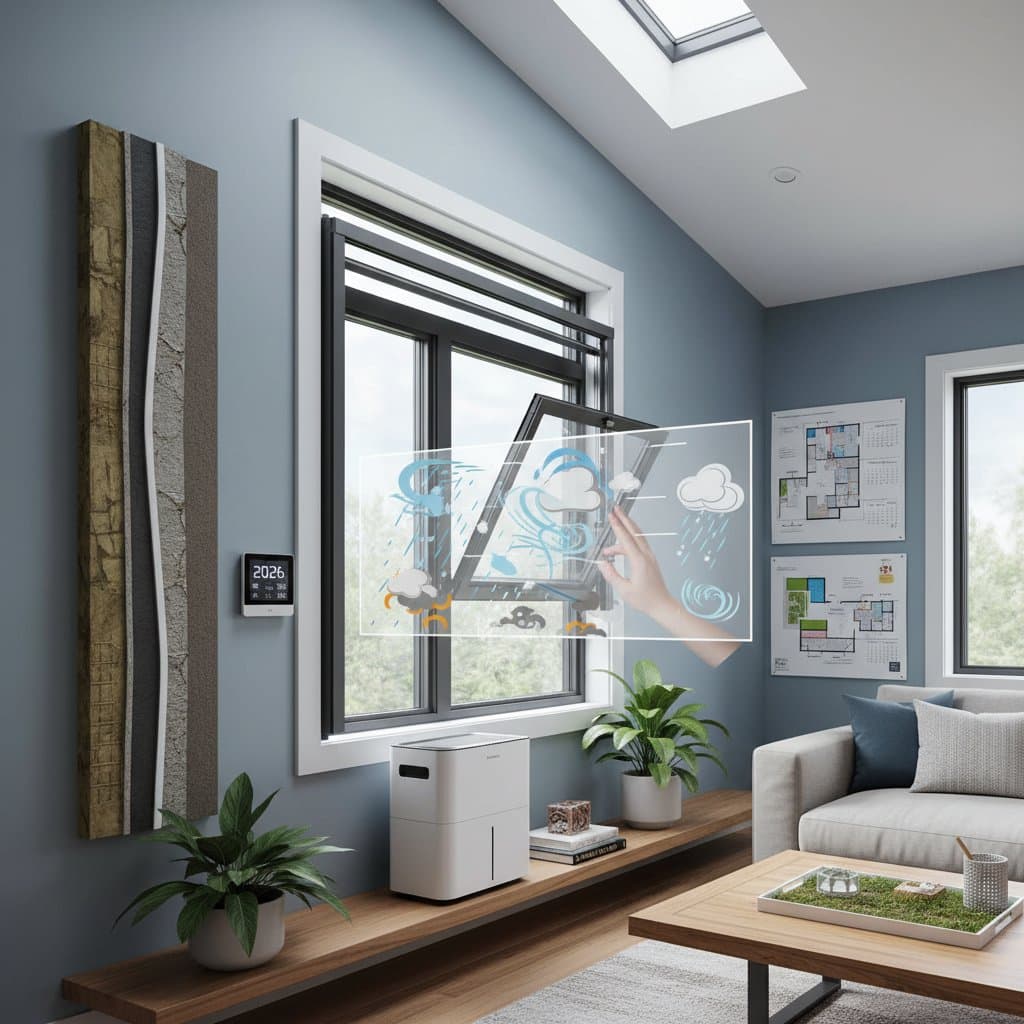
Essential Upgrades to Weatherproof Your Home for 2026
Homeowners often encounter challenges from erratic weather patterns, such as water accumulation near foundations or chilly drafts entering through unsealed windows. These issues highlight the need for protective measures against intense heat, torrential rains, or forceful winds. Implementing weatherproofing enhancements delivers immediate benefits in comfort levels, diminishes future maintenance expenses, and elevates property appeal in the real estate market.
The following sections outline targeted, cost-effective strategies to fortify your residence. Each approach balances practicality with accessibility, allowing adaptation to various financial constraints while prioritizing long-term resilience.
Reinforce Roofing for Superior Durability
The roof serves as the primary barrier shielding your home from precipitation, snowfall, and gusts. Proactive replacement of deteriorated shingles prevents the onset of leaks, which prove far more costly to address once damage spreads. Opt for impact-resistant shingles or durable metal panels engineered to endure high-velocity winds and hailstorms.
Estimated expenses: Between $6,000 and $12,000, varying by selected materials and geographic location.
Skill level for DIY implementation: Moderate; professional assistance recommended for complex installations.
For those unable to commit to a complete overhaul, arrange a thorough inspection by a certified expert to evaluate critical components like flashing around chimneys, attic ventilation systems, and gutter alignments. Incorporating a waterproof underlayment layer under existing shingles offers additional safeguarding against rain propelled by strong winds, extending the roofs service life without substantial outlay.
Mitigate Extreme Heat Through Strategic Exterior Modifications
Residents in areas prone to prolonged heat waves benefit from materials that reflect solar radiation. Consider applying reflective coatings to current roofing surfaces or installing light-colored siding to minimize heat absorption. Pair these with double-pane, low-emissivity windows that block ultraviolet rays while permitting natural light.
Exterior additions such as retractable awnings or fixed shade canopies over sun-exposed windows reduce direct solar exposure by up to 70 percent. For a natural solution, strategically plant deciduous trees on the western and southern exposures; these provide summer shade and allow winter sunlight to warm the interior.
Expense spectrum: From $200 for basic reflective paints applied independently to $10,000 for comprehensive roof and siding transformations.
Such investments yield returns via reduced air conditioning demands, translating to noticeable savings on energy statements and a more temperate indoor environment throughout peak summer months.
Fortify Against High Winds with Structural Anchors
Gale-force winds pose risks by transforming unsecured outdoor elements into hazardous debris and compromising building integrity. Begin by securing ancillary structures, including storage sheds, garden pergolas, and boundary fences, using deep concrete footings that resist uplift forces. Regularly prune low-hanging tree limbs to eliminate potential impact points, and fasten downspouts and storm shutters with reinforced brackets ahead of anticipated weather events.
In wind-vulnerable zones, install hurricane clips or metal strapping systems that link the roof framework directly to wall studs and foundational elements. These inexpensive reinforcements, priced at approximately $2 per unit, enhance overall stability and comply with stringent building standards in coastal or tornado-prone regions.
Installation costs: $500 to $2,000 for a standard single-family dwelling, often achievable as a weekend project with basic tools.
Control Interior Moisture for Lasting Health
Exterior fortifications alone do not suffice; internal humidity management prevents issues like mold proliferation and wood rot. Deploy portable dehumidifiers in susceptible areas such as basements, laundry rooms, and bathrooms to maintain relative humidity below 50 percent. Verify that exhaust fans in kitchens and restrooms operate efficiently, venting moist air outdoors rather than recirculating it.
Invest in a whole-home energy recovery ventilator, which exchanges stale indoor air with fresh outdoor air while recovering heat and moisture to optimize efficiency. Regular filter changes and duct cleaning ensure this system performs reliably, fostering healthier air circulation without escalating energy use.
Budget considerations: $150 for a single-room dehumidifier up to $3,000 for centralized ventilation upgrades.
Key Strategies for Effective Implementation
-
Schedule work during temperate periods. Addressing vulnerabilities like insulation gaps or minor roof repairs becomes simpler and less expensive outside of harsh weather conditions.
-
Verify compliance with regional regulations. Consult local authorities before undertaking roof replacements or drainage installations to ensure adherence to safety and environmental codes.
-
Maintain detailed records of enhancements. Preserve invoices, before-and-after imagery, and contractor reports; these documents support insurance claims, potential tax deductions, and demonstrate value to prospective buyers.
-
Recognize project boundaries. Delegate tasks involving heights, electrical systems, or heavy machinery to qualified specialists to avoid injury and guarantee quality outcomes.
Sustain Resilience Through Ongoing Care
Weatherproofing represents an ongoing commitment rather than a singular effort. Integrate seasonal inspections into your routine, such as clearing gutters in autumn and testing seals in spring, to identify emerging concerns early.
Consistent attention to these details averts major disruptions and preserves the enhancements value. By prioritizing these measures today, homeowners secure not only physical protection but also the assurance that their living space remains a reliable sanctuary amid natures variability.