
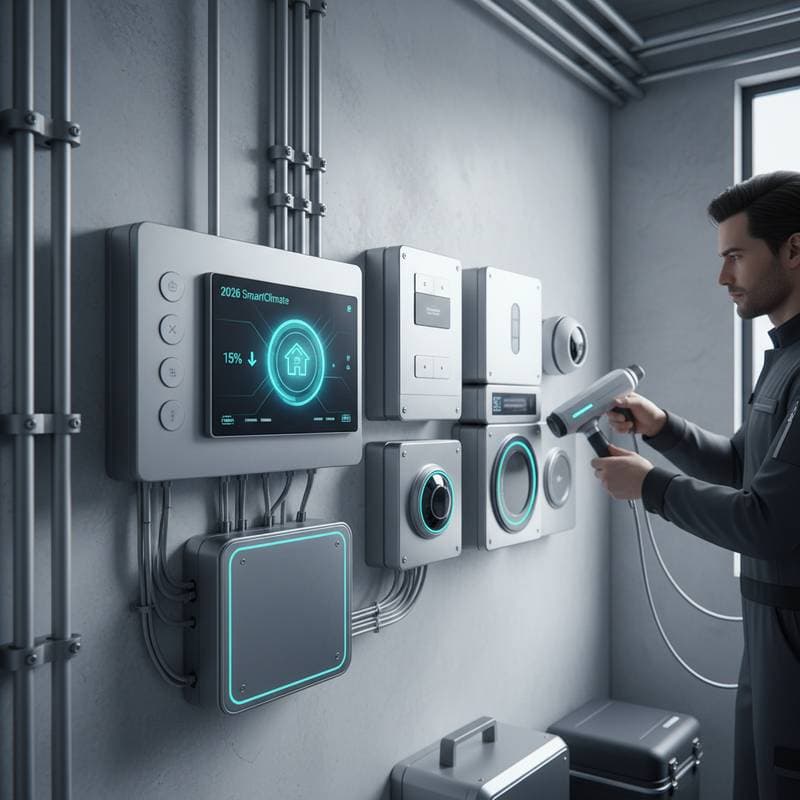
Boost Home Value with Smart Tech Upgrades in 2026
Homeowners often seek ways to modernize their living spaces without undertaking extensive renovations. Smart technology provides an effective solution by enhancing convenience, security, and efficiency. These upgrades appeal to buyers and offer practical benefits for those who plan to remain in their homes long-term. Implementation requires no advanced technical knowledge, and costs remain manageable with strategic planning.
Essential Smart Upgrades for Maximum Impact
- Install smart thermostats to reduce energy consumption and demonstrate cost savings to potential buyers.
- Incorporate security features such as smart locks and cameras for enhanced protection and attractive returns on investment.
- Integrate voice-controlled lighting and appliances to improve daily comfort and accessibility.
- Pursue gradual enhancements to achieve significant value without requiring complete system replacements.
The following sections detail starting points, budgeting approaches, and strategies to ensure investments yield optimal results.
Smart Thermostats: Leading the Way in Energy Savings
Smart thermostats represent a cornerstone of home efficiency upgrades. These devices learn user preferences and adjust temperatures automatically to optimize comfort while minimizing energy use. Studies indicate potential reductions in heating and cooling costs by up to 15 percent, making them a highlight for energy-conscious buyers.
Cost range: Basic models begin at $150, with advanced systems featuring remote access and integration capabilities priced up to $300.
Installation approach: Many units install directly over existing thermostats, allowing homeowners to complete the process independently. For complex HVAC systems, professional assistance ensures proper setup and calibration.
Value enhancement: Prospective buyers view smart thermostats as evidence of forward-thinking maintenance. The visible energy savings underscore the home's modern appeal and lower operational expenses.
Intelligent Lighting: Enhancing Ambiance and Efficiency
Smart lighting transforms ordinary spaces into dynamic environments. Bulbs and switches enable control over brightness, color temperatures, and schedules via mobile applications or voice commands. Automate routines to simulate occupancy or align with circadian rhythms for improved well-being.
Cost range: Individual smart bulbs cost approximately $12 to $25, whereas comprehensive room systems range from $150 to $600 based on scale and features.
Installation approach: Bulbs fit standard fixtures for easy self-installation. Wall switches or dimmers may necessitate electrician involvement to align with current wiring standards.
Value enhancement: Strategic lighting designs create illusions of spaciousness and luxury. Automated, efficient systems signal intentional upgrades and reduced upkeep demands.
Voice Assistants and Smart Hubs: Centralizing Control
A smart hub serves as the core of an interconnected home network. Devices such as Amazon Echo, Google Nest Hub, or Apple HomePod facilitate commands for lights, music, and security. Seamless integration fosters an intuitive user experience across multiple devices.
Cost range: Entry-level hubs start at $50, while premium options with displays and advanced audio reach $250.
Installation approach: These units connect via power outlets and Wi-Fi, requiring minimal setup. Focus on device compatibility to enable fluid communication throughout the system.
Value enhancement: A unified control interface impresses visitors with its sophistication. The ability to manage functions through simple voice interactions creates a memorable demonstration of the home's capabilities.
Comprehensive Energy Management and Security Systems
Energy management platforms monitor usage patterns and integrate with solar installations for optimal performance. Pair these with security enhancements like smart locks and cameras to safeguard the property. Real-time alerts and automated responses provide reliability and deterrence against intrusions.
Cost range: Energy systems cost $1,000 to $3,000, depending on home size and solar compatibility. Security packages range from $200 for basic cameras to $1,500 for full setups.
Installation approach: Professionals handle electrical panel connections and solar ties. Security devices often support wireless mounting for straightforward placement.
Value enhancement: Sustainable energy solutions attract environmentally aware purchasers. Robust security features justify premium pricing by emphasizing safety and peace of mind.
Strategic Budgeting for Smart Home Transformations
Approach upgrades methodically to align with financial constraints. Prioritize elements that deliver immediate benefits before advancing to expansive integrations.
Recommended progression:
- Initiate with affordable, influential additions such as thermostats and lighting.
- Incorporate connectivity via hubs and voice assistants.
- Advance to substantial investments like energy monitors or security arrays.
For an average-sized residence, total expenditures typically fall between $2,000 and $6,000. Account for utility reductions and insurance premiums when assessing returns. This phased method maximizes impact while distributing costs effectively.
Ensuring Safety and Reliable Connectivity
Robust Wi-Fi forms the foundation of smart home functionality. Select mesh networks to cover large areas or multi-story layouts, ensuring uninterrupted signals. Implement strong encryption, complex passwords, and two-factor authentication to protect against vulnerabilities.
Verify electrical compatibility prior to any installation. Engage licensed electricians for assessments of wiring capacity and load distribution. These precautions maintain the home's integrity while amplifying the benefits of technological advancements.
Embracing Daily Life in a Smart Home
Once installed, smart systems integrate seamlessly into routines, offering subtle yet profound improvements. Wake to adjusted lighting and optimal temperatures, or return to a secured, illuminated entryway. Over time, these features cultivate a sense of effortless control and heightened security.
Regular updates to software and firmware keep devices performing at peak efficiency. Engage family members in the setup to foster familiarity and collective appreciation. This holistic adoption elevates the living experience beyond mere convenience.
Realizing Long-Term Benefits from Smart Investments
Smart upgrades position homes as desirable assets in competitive markets. Buyers prioritize properties that blend innovation with practicality, often paying premiums for such features. Owners enjoy sustained savings and comfort, ensuring the investment endures.
Begin with a single upgrade to experience the transformation firsthand. Consult local experts for tailored recommendations that suit specific needs and budgets. These steps pave the way for a more efficient, valuable, and enjoyable home environment.