
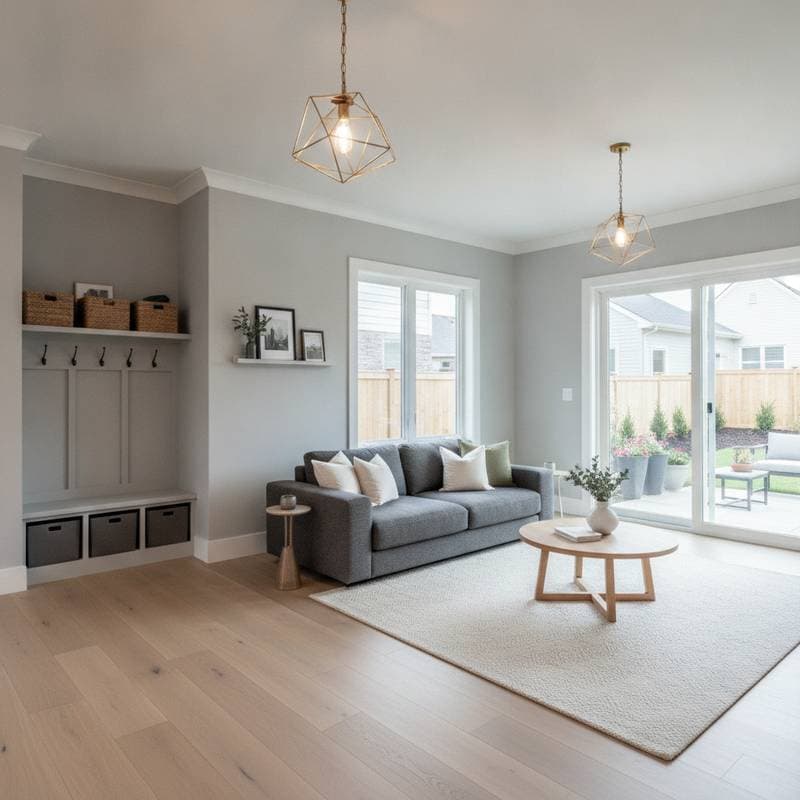
Permit-Free Home Upgrades That Increase Value
Homeowners can raise property value without submitting permit applications. Major structural changes require approvals, yet many high-impact updates remain exempt from such requirements. Focus on projects that enhance comfort, efficiency, and appearance while staying within legal limits.
These improvements suit a free weekend and a modest budget. They deliver measurable returns at resale. The following sections detail the most effective options.
Exterior Improvements With Strong Returns
Curb appeal sets the initial impression for potential buyers. Targeted exterior work often produces the fastest payback. The projects below require no permits.
Update Exterior Paint and Trim
A new coat of paint transforms appearance quickly. Quality exterior paint ranges from 40 to 70 dollars per gallon. Most homes need 1500 to 3000 dollars in materials for a full do-it-yourself job. Apply fresh color to front walls, window trim, and door frames. Select neutral tones that align with surrounding homes.
Replace or Refinish the Entry Door
A new door adds immediate perceived value. Fiberglass or steel models cost between 250 and 600 dollars. Installation typically finishes in one afternoon. When the existing door remains sound, sand and repaint it in a contrasting color, then install updated hardware.
Refresh Landscaping Elements
Trim overgrown shrubs and add fresh mulch to beds. Edge walkways to create clean lines. Choose low-maintenance perennials suited to local conditions. Budget 200 to 800 dollars for visible improvements that enhance first impressions.
Install Updated Outdoor Lighting
Swap old fixtures for LED models along paths and porches. Solar options need no wiring and cost 15 to 40 dollars each. Warm white bulbs create an inviting evening atmosphere.
Efficiency Upgrades Within Legal Limits
Energy improvements appeal to buyers and reduce ongoing costs. Many qualify as permit-free when they avoid structural alterations to electrical or HVAC systems.
Improve Attic and Crawl Space Insulation
Add fiberglass batts or blown-in cellulose to reduce energy use by up to 15 percent. Typical material costs fall between 600 and 1200 dollars. No permit applies when wiring and ductwork remain untouched.
Apply Weatherstripping and Seals
Replace worn strips around doors and windows. The materials cost less than 50 dollars yet reduce drafts and improve comfort. The work finishes in a single morning.
Add a Smart Thermostat
Connect a new unit to existing wiring in under an hour. Models priced from 150 to 250 dollars adjust temperatures automatically and lower utility bills. No permit is required.
Switch to Low-Flow Fixtures
Replace showerheads and faucets with water-saving versions. Each unit costs 30 to 120 dollars. These changes modernize bathrooms and conserve resources without moving pipes.
Safety Practices for All Projects
Safety remains essential even when permits are unnecessary. Proper precautions prevent issues during future inspections or claims.
- Turn off circuit breakers before any electrical work.
- Use grounded cords with power tools.
- Ventilate rooms during painting or staining.
- Wear eye protection and gloves for cutting or sanding.
- Retain all receipts and product warranties.
Stop work and consult a licensed professional if hidden wiring or plumbing appears.
Allocate Funds Across Project Types
Divide the total budget to balance appearance and function. Assign 40 percent to cosmetic items such as paint and fixtures. Direct 30 percent toward insulation and weatherproofing. Reserve 20 percent for storage solutions and 10 percent as a contingency.
Complete comfort-focused tasks first. Daily enjoyment of the results encourages completion of remaining items.
Follow Proven Execution Steps
Preparation and material quality determine final appearance. Clean and prime all surfaces before painting. Measure accurately before cutting. Select mid-grade products that balance cost and durability. Photograph completed work and store receipts for future reference. Schedule exterior tasks during mild weather.
Monitor Results After Completion
Review utility statements and comfort levels after each upgrade. Note any changes in daily use or maintenance needs. These records support accurate valuation when the home enters the market.