
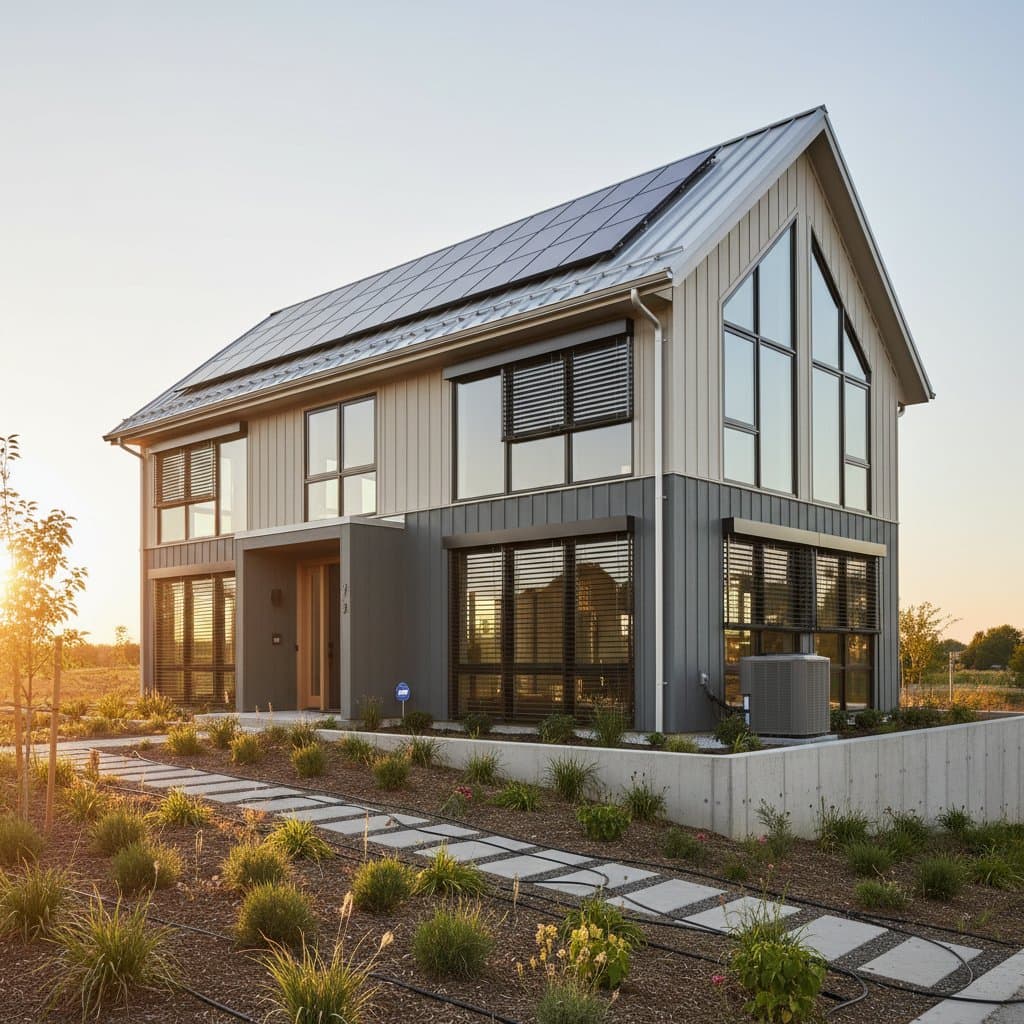
Fortify Your Home Against Intensifying Climate Extremes
Air conditioners strain during prolonged heat waves, and backyards turn into temporary lakes after intense storms. These events grow more severe and frequent. Targeted upgrades offer protection for the home, reductions in utility expenses, and sustained comfort regardless of weather conditions.
Essential Considerations
- Resilience provides long-term savings: Weatherproofing minimizes future repair expenses.
- Energy efficiency delivers returns: Many enhancements lower utility bills by 10 to 30 percent.
- DIY projects suit beginners: Numerous tasks complete in a weekend for less than a few hundred dollars.
- Expert installation ensures durability: Options such as insulation or roof coatings benefit from professional application.
Conduct a Comprehensive Home Climate Audit
Evaluate the home's performance against heat, cold, wind, and water before implementing changes. A basic self-assessment reveals vulnerabilities quickly.
Circumambulate the property on a warm afternoon or cool evening to identify temperature variations. Examine drafts near windows and doors, review the attic for moisture or openings, and scan the foundation for fissures. For thorough analysis, hire an energy auditor who employs thermal imaging to detect inefficiencies. Costs range from 150 to 400 dollars, yet the recommendations often yield thousands in savings.
Bolster the Home's Exterior Defenses
The outer structure serves as the primary barrier against harsh elements. Reinforcements maintain interior stability.
Roof Enhancements: Apply reflective coatings to decrease attic heat by up to 20 degrees Fahrenheit, easing HVAC demands. DIY costs average 1 to 2 dollars per square foot; professional services range from 3 to 5 dollars per square foot.
Siding and Exterior Finishes: Select durable, moisture-repellent materials like fiber cement or pressure-treated wood. For repainting, opt for formulations that resist ultraviolet rays and mildew growth.
Window and Door Improvements: Install double-pane or low-emissivity glazing for superior thermal barriers. Budget constraints permit weather stripping or insulating films, priced under 50 dollars per room, as effective interim solutions.
Drainage Systems: Clear gutters biannually and position downspouts at least six feet from the foundation. Incorporate French drains or rain gardens to redirect substantial water flow and avert basement inundation.
Optimize Cooling to Ease System Demands
Prolonged high temperatures challenge air conditioning units. Strategic modifications alleviate this pressure.
Apply reflective films to windows to minimize solar heat entry and maintain lower indoor temperatures. Position ceiling fans in primary living spaces to enhance airflow. Plant deciduous trees or dense shrubs along southern and western exposures; these features lower interior heat by multiple degrees at peak times.
Increase attic insulation to R-38 standards in warm or transitional climates. Blown-in cellulose or fiberglass materials cost 1.50 to 2.50 dollars per square foot. Such measures enhance livability and reduce cooling expenses by 20 percent or greater.
Safeguard Against Flooding and Intense Precipitation
Escalating rainfall events strain urban and rural drainage alike. Proactive defenses mitigate risks even in previously unaffected areas.
Coat basement walls with waterproof sealants; DIY efforts for average spaces total 100 to 200 dollars. Equip with a sump pump featuring battery backup to operate during outages. Installation by specialists costs 1,000 to 2,500 dollars based on site requirements.
Raise electrical outlets and appliances in vulnerable zones to limit water damage. In high-risk locations, deploy portable flood barriers or sandbags, which store compactly and activate swiftly upon storm warnings.
Brace for High-Wind Events
Gusts transform unsecured items into projectiles and challenge structural integrity.
- Apply adhesives or clips to secure roof shingles firmly.
- Fortify garage doors using bracing kits priced at 100 to 300 dollars.
- Prune branches overhanging the structure to avoid impacts on roofs and glazing.
- Secure or relocate patio furnishings ahead of forecasted winds.
Residents in coastal or windy zones should evaluate impact-resistant windows. These cost 40 to 60 dollars per square foot initially but endure debris strikes and often secure insurance reductions.
Enhance Indoor Air Quality and Efficiency
Extreme weather elevates indoor pollutants through humidity spikes, wildfire particulates, or extended sealing periods.
Integrate a whole-home dehumidifier to regulate levels between 30 and 50 percent. Place HEPA-filtered purifiers in sleeping and communal areas. Replace HVAC filters routinely and adopt smart thermostats for precise energy management.
During updates, select low-volatile organic compound paints and materials to preserve air purity. These refinements promote well-being and respiratory protection.
Engage Professionals for Complex Tasks
Structural drainage modifications or insulation overhauls require specialized equipment and expertise. Consult licensed contractors if safety concerns arise with any project.
Strategies for Effective Implementation
- Initiate modestly: Address one area to sustain motivation.
- Prioritize durability: A 300-dollar seal against leaks offsets thousands in energy over ten years.
- Record modifications: Retain documentation for insurance claims or property sales.
- Maintain vigilance: Review the home post-storm and address issues promptly.
- Utilize rebates: Energy providers frequently subsidize efficient appliances and insulation.
Experience the Benefits of a Resilient Home
Completed enhancements yield noticeable daily improvements. The space remains temperate in summer, secure during deluges, and inviting throughout seasons.
From seaside dwellings to urban units or sprawling properties, resilience transforms vulnerability into strength. Homes endure and excel amid uncertainty, fostering security and satisfaction in variable climates.