
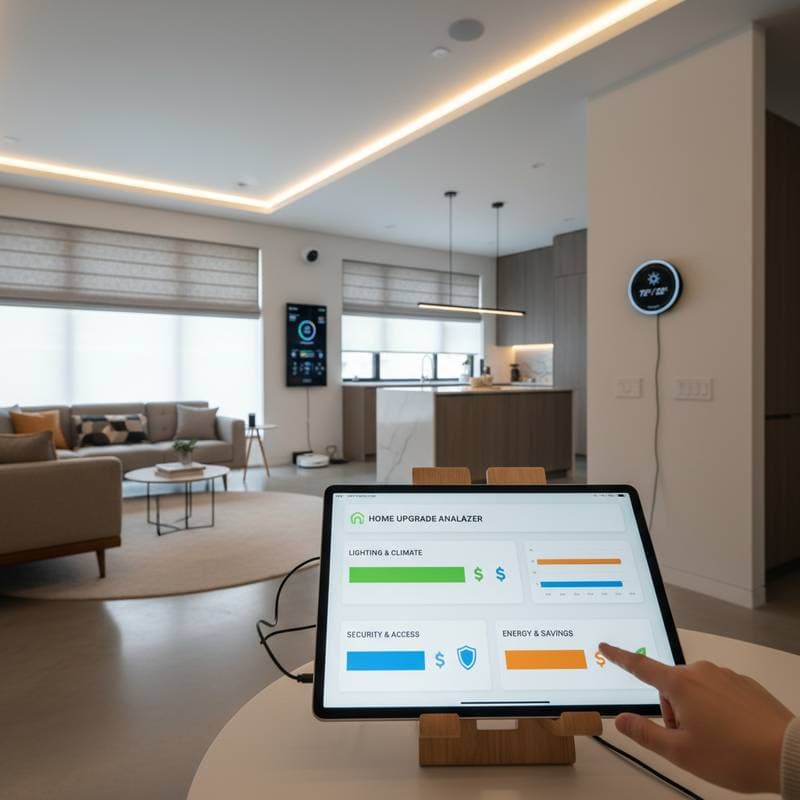
Understanding Smart Home Costs in 2025: Plan for Success
Homeowners can achieve a modern smart home experience without depleting savings. The key lies in selecting upgrades that align with specific needs, evaluating installation options, and anticipating long-term benefits. As technology advances, prices become more accessible, allowing choices from basic devices to comprehensive systems based on technical comfort and home configuration.
Interest in smart lighting, security, and climate controls continues to rise. Market trends show declining costs for entry-level products alongside premium integrations. Grasping the factors influencing expenses enables informed decisions on investments that enhance daily life.
Key Categories of Smart Home Projects
Smart home components vary in functionality and pricing. The following sections outline expectations for major areas, including initial costs and potential savings.
Smart Lighting Solutions
Smart lighting offers straightforward entry into home automation. Begin with individual bulbs or expand to room-wide controls for ambiance and efficiency.
- DIY smart bulbs or switches: $15 to $100 per unit
- Professional installations for multi-room systems: $500 to $2,000
- Integration with voice assistants or apps: Typically included without additional fees
These systems yield quick energy reductions through scheduling and motion detection. Opt for bulbs if preserving aesthetics matters less than simplicity; switches provide circuit-level control but may need wiring adjustments. Engage an electrician for recessed fixtures to maintain a clean appearance and code compliance.
Security and Monitoring Systems
Modern security extends to integrated sensors, locks, and real-time notifications. These setups deter threats and provide peace of mind via mobile access.
- Basic DIY kits with cameras and sensors: $200 to $600
- Full professional monitoring packages: $1,000 to $3,000, plus $10 to $50 monthly fees
- Standalone smart doorbells: $100 to $400
Incompatibility between brands often leads to frustration and rework. Review ecosystem support for add-ons like window sensors before purchase. Professional systems frequently qualify for insurance premiums reductions of 5 to 20 percent, recouping part of the investment over time.
Climate Control Enhancements
Thermostats and zoning improve comfort while cutting utility expenses. Expect annual savings of 8 to 15 percent on heating and cooling with optimized use.
- Standalone smart thermostats: $100 to $300
- Zoned HVAC systems with installation: $1,000 to $4,000
- Individual smart vents or temperature sensors: $50 to $200 each
Most thermostats suit DIY efforts using basic tools and manufacturer guides. However, systems involving ductwork or variable-speed pumps demand expert calibration to preserve efficiency and avoid voiding warranties. Local building codes may mandate inspections for modifications affecting airflow.
Entertainment and Media Integrations
These features streamline media access and personalization. From speakers to hubs, they adapt to viewing and listening preferences.
- Voice-activated speakers or displays: $50 to $250 per unit
- Multi-room audio setups with cabling: $2,000 to $5,000
- Central remotes or control hubs: $100 to $300
Avoid redundancy by assessing current devices first; for instance, repurpose an existing TV with a streaming adapter. Prioritize wireless options for easier setup in furnished spaces. Test audio synchronization in target rooms to ensure even coverage without echoes.
Kitchen Appliance Automation
Connected appliances enhance meal preparation and monitoring. Focus on items that align with routine tasks for practical gains.
- Full smart appliances like refrigerators or ovens: $500 to $3,000 each
- Adapters such as smart plugs: $20 to $75
- Integrated voice assistants: $50 to $150
Full replacements suit remodels, but adapters extend life to older units. Use plugs for scheduling coffee makers or monitoring fridge temperatures remotely. Evaluate energy ratings to confirm automation contributes to overall household savings.
Establishing Your Budget Framework
Tailor spending to project scope and timeline. The ranges below reflect common scenarios, adjustable for location and scale.
- Entry-level setup ($300 to $1,000): Essential lighting, one speaker, and thermostat for testing automation basics.
- Intermediate expansion ($1,000 to $5,000): Incorporate security essentials and expanded lighting for broader coverage.
- Advanced integration ($5,000 to $15,000): Encompass full automation, HVAC zoning, and custom scenes requiring expert oversight.
- Custom luxury builds ($15,000+): Feature advanced interfaces, automated shades, and robust networking for seamless operation.
Factors like urban labor premiums or outdated infrastructure can increase totals by 20 to 50 percent. Consult local contractors early to refine estimates.
Steering Clear of Costly Errors
Projects falter from overlooked details. Address these issues proactively to stay within financial limits.
- Develop a unified ecosystem plan to prevent brand mismatches and integration fees.
- Upgrade Wi-Fi routers if signal strength falls below 50 Mbps to support reliable device communication.
- Conduct a home audit for electrical capacity before adding high-draw components.
- Factor in recurring costs for storage or alerts, which accumulate to $100 to $500 annually.
- Select hardware with Matter or Zigbee standards for adaptability to future expansions.
Dedicate time to vendor comparisons and user forums for real-world insights. This preparation minimizes surprises and enhances satisfaction.
Prioritizing Safety and Regulatory Adherence
Safety underpins every installation. Compliance ensures reliability and protects against liabilities.
Verify circuit breakers support new loads, typically up to 15 amps per outlet. Opt for devices from reputable manufacturers with end-to-end encryption to safeguard data. Perform firmware updates bi-annually to patch vulnerabilities, using automated alerts where available.
Obtain necessary permits for wiring changes or alarm integrations, especially in historic districts. Non-compliance risks fines or complications during property sales. View these steps as foundational to a secure, enduring system.
Strategies for Long-Term Management
Sustain performance through routine practices. Effective maintenance preserves functionality and value.
Begin implementations in isolated areas to refine workflows before full rollout. Maintain a centralized log of device IPs, access codes, and update histories for quick resolutions. Simulate daily routines during initial testing to identify glitches early.
Optimize voice commands to essential functions, limiting to 10 to 15 per hub for speed. Incorporate uninterruptible power supplies for critical devices to handle outages gracefully. Regular reviews every six months allow adjustments as household needs evolve, ensuring the system remains efficient and user-friendly.