
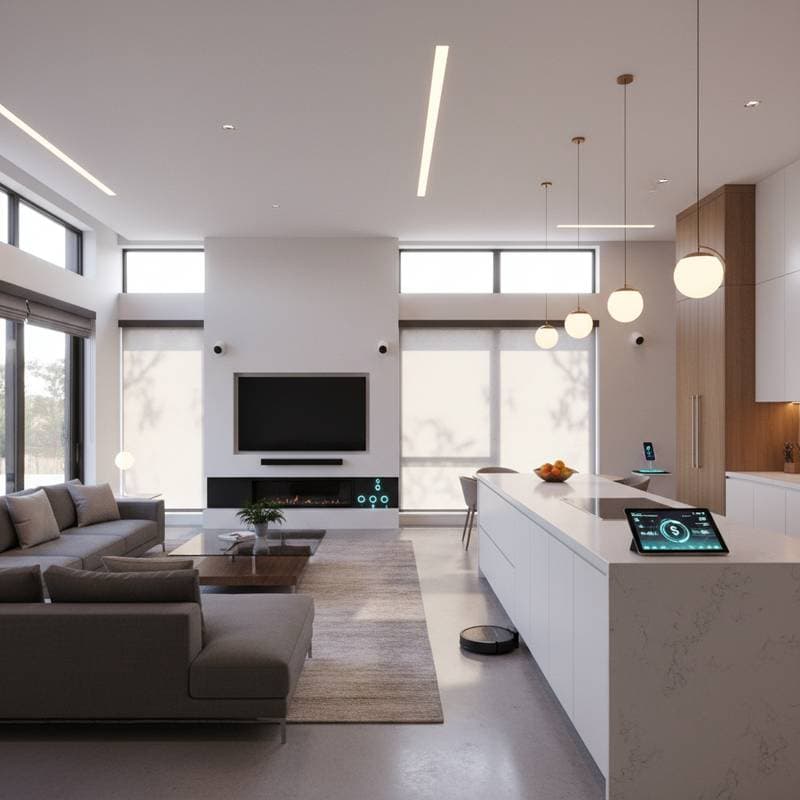
Introduction to Smart Home Investments
Smart home technology has evolved into an accessible feature for many households. Projections for 2026 indicate that costs will range widely, allowing homeowners to select systems that match their needs and financial plans. This article examines these expenses, from entry-level devices to advanced integrations, and provides guidance on making informed decisions.
The appeal of smart homes lies in their ability to enhance daily life through automation. Devices connect seamlessly to create environments that prioritize convenience and resource management. Homeowners can expect improvements in energy use, safety measures, and overall comfort without excessive spending.
Understanding Smart Home Components
Core elements of a smart home include sensors, hubs, and connected appliances. A central hub serves as the command center, linking items such as lights, locks, and thermostats. In 2026, advancements in wireless protocols will make these components more reliable and easier to integrate.
Basic setups focus on individual devices that operate independently or via simple apps. More elaborate systems incorporate voice assistants and artificial intelligence for predictive adjustments. Selecting components requires consideration of compatibility to avoid future replacement costs.
Cost Breakdown for 2026
Entry-Level Setups: Around $400
Beginners can start with essential devices totaling approximately $400. This budget covers a smart thermostat for climate control, several connected bulbs for lighting adjustments, and a basic security camera for monitoring entry points.
These items install quickly and deliver immediate benefits, such as reduced energy bills through automated scheduling. Prices reflect ongoing declines in manufacturing costs, making quality options available at lower thresholds. Homeowners often see payback within one year from savings on utilities.
Mid-Range Systems: $1,000 to $3,000
For expanded functionality, mid-range investments range from $1,000 to $3,000. This tier includes a full hub, multiple sensors for motion and door detection, and integrated appliances like smart refrigerators or washers.
Such systems enable scene-based automation, where lights dim and music plays upon arrival home. Installation might involve minor wiring, but many components support wireless setup. This level suits families seeking balanced enhancements without overwhelming expenses.
Premium Installations: $4,000 to $6,000
Comprehensive smart homes in 2026 will cost between $4,000 and $6,000. These setups encompass whole-home coverage with advanced features, including automated blinds, irrigation systems, and AI-driven security networks.
Professional integration ensures seamless operation across all areas. Costs include custom programming to tailor responses to user habits. While higher, these investments provide substantial long-term efficiencies and property value increases.
Installation Options and Associated Expenses
Homeowners face choices between do-it-yourself approaches and professional services. DIY methods suit simple additions, requiring only basic tools and app configurations. This option keeps costs low, often under $100 for accessories.
Professional installation, ideal for complex systems, adds $500 to $2,000 depending on scope. Experts handle wiring, network optimization, and compatibility checks. In 2026, certified installers will offer packages that include warranties and ongoing support.
- Evaluate your technical comfort level before deciding.
- Research local providers for quotes and reviews.
- Factor in potential downtime during setup.
Budgeting Strategies for Smart Upgrades
Effective planning starts with prioritizing needs over wants. List essential features, such as security or energy management, and allocate funds accordingly. Projections for 2026 suggest modular designs, allowing gradual additions without full overhauls.
Set aside 10 to 20 percent of the budget for unexpected costs, like compatibility adapters. Track expenses using spreadsheets to monitor progress. Financing options, including home equity loans, can spread payments over time.
Consider resale value when investing. Smart features appeal to future buyers, potentially raising property prices by 3 to 5 percent. Focus on universal standards to ensure longevity.
Long-Term Value and Efficiency Gains
Smart homes deliver returns through reduced operational costs. Automated thermostats alone can lower heating bills by 15 percent annually. Integrated systems optimize water and electricity use, contributing to environmental sustainability.
Security enhancements, like real-time alerts and remote access, provide peace of mind. Data from connected devices informs maintenance, preventing costly repairs. Over five years, many owners recoup investments via savings and convenience.
Addressing Digital Vulnerabilities
While beneficial, smart technology introduces risks such as hacking or system failures. In 2026, built-in encryption and regular updates will mitigate these issues. Homeowners should select devices with strong authentication and avoid default passwords.
Routine firmware checks and network segmentation protect against breaches. Insurance providers may offer discounts for secured setups. Balancing innovation with caution ensures reliable performance.
Maximizing Returns on Your Smart Home Investment
To achieve the greatest benefits, integrate smart technology thoughtfully into your lifestyle. Start small, evaluate performance, and scale up based on results. This approach transforms your home into an efficient, secure sanctuary.
Consult resources from manufacturers for the latest 2026 projections. With strategic planning, even modest budgets yield significant improvements in comfort and value.