
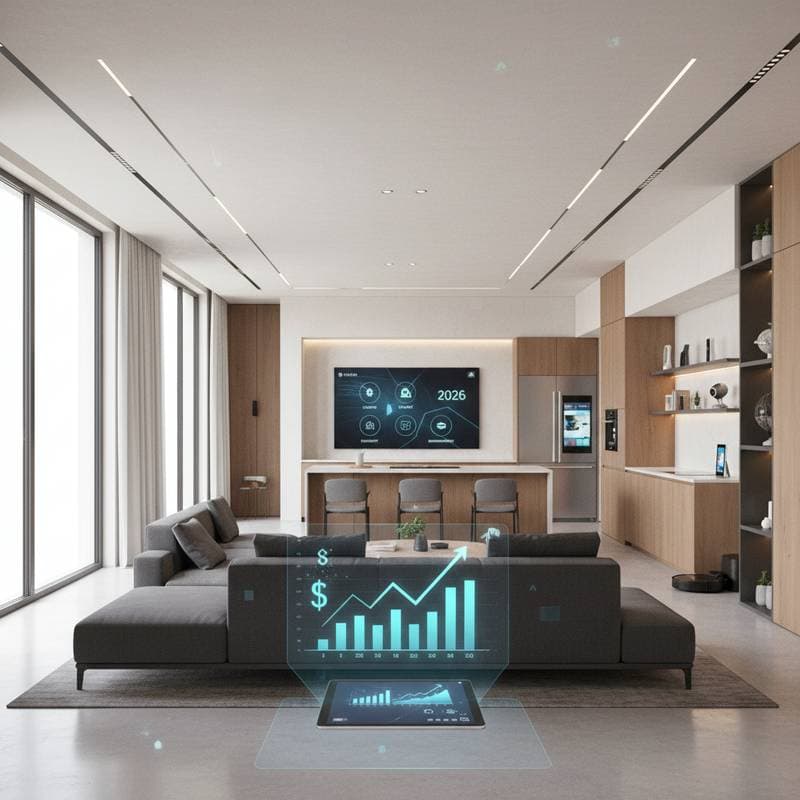
Introduction to Smart Home Budgeting in 2026
Smart home technology continues to evolve rapidly, offering enhanced convenience, energy efficiency, and security. As you prepare for 2026, establishing a realistic budget becomes essential to avoid overspending while achieving a connected living space. This article outlines key components, their associated costs, and practical strategies to build a system that aligns with your needs and financial goals.
Consider your priorities first: Do you seek basic automation or a fully integrated setup? Costs vary widely based on scale and features. By focusing on high-impact areas, you can create a smart home that delivers value without unnecessary expense.
Key Smart Home Components and Their Costs
A well-planned smart home starts with selecting core elements. Below, we break down essential categories, including average prices for 2026 based on current trends and projected advancements.
1. Smart Lighting Systems
Smart lights allow remote control, scheduling, and integration with motion sensors for energy savings. Basic setups involve LED bulbs or strips that connect via Wi-Fi or hubs.
- Individual smart bulbs: $15 to $50 each
- Full-room kits (4-6 bulbs with hub): $100 to $300
- Advanced recessed lighting systems: $500 to $1,500 per room
Installation costs range from $50 for DIY bulb swaps to $200 per fixture for professional wiring. These systems reduce electricity bills by up to 20 percent through automation.
2. Climate Control Solutions
Smart thermostats and HVAC integrations optimize temperature based on occupancy and weather data. They learn preferences over time to maintain comfort efficiently.
- Entry-level thermostat: $100 to $250
- Zone-specific systems for multi-room control: $400 to $1,200
- Full HVAC smart upgrades: $2,000 to $6,000
Professional installation adds $300 to $1,000, especially for ductwork modifications. Expect annual savings of $100 to $300 on heating and cooling.
3. Security and Surveillance
Modern security includes cameras, smart locks, and sensors that alert you to activity via apps. Integration with emergency services enhances protection.
- Basic camera kit (indoor/outdoor): $150 to $400
- Comprehensive system with locks and doorbell camera: $500 to $2,000
- Enterprise-level setups with AI monitoring: $3,000 to $10,000
Monthly monitoring fees range from $10 to $50. DIY options suit simple installs, but complex wiring requires experts at $500 to $3,000.
4. Entertainment and Audio Systems
Voice-controlled speakers and multi-room audio create immersive experiences. These devices also serve as central controls for other smart features.
- Single smart speaker: $50 to $150
- Multi-room audio setup: $300 to $1,000
- Home theater integration with screens and soundbars: $1,500 to $5,000
If your goal is convenience, one or two voice assistants suffice. For a seamless, house-wide experience, plan for a larger investment and professional calibration to ensure synchronized playback.
5. Home Automation Hubs and Integration
The hub acts as the central nervous system, linking all devices and enabling custom routines such as adjusting lights and climate upon your arrival. Skipping a hub leads to fragmented control through multiple apps.
- Basic hub: $100 to $250
- Advanced automation platforms: $1,000 to $5,000
Professional setup costs $500 to $2,000, depending on device count and customization. Hubs justify their price by streamlining operations and reducing daily hassles.
Strategies for Saving Money on Your Smart Home
Building a smart home need not strain your finances. Implement these approaches to maximize value.
- Begin with targeted expansions. Prioritize one category, such as lighting, to test functionality before broader investments.
- Select compatible ecosystems. Devices from the same brand minimize compatibility issues and eliminate the need for additional hubs.
- Monitor sales cycles. Retailers frequently reduce prices on smart gear during holidays and home shows.
- Handle simple installations yourself. Swapping bulbs or mounting cameras requires basic tools; reserve complex tasks like electrical work for licensed professionals.
- Leverage utility incentives. Many providers rebate purchases of energy-saving devices, such as thermostats, covering 20 to 50 percent of costs.
- Opt for bundled packages. Providers often discount when combining security, automation, and entertainment services.
Smart budgeting emphasizes efficiency over minimal spending. Target upgrades that lower utility bills or enhance security for tangible returns.
Pitfalls to Avoid in Smart Home Setup
Even experienced users encounter challenges with emerging tech. Sidestep these errors to ensure smooth implementation.
- Overburdening your Wi-Fi. Numerous devices strain bandwidth; upgrade to a mesh network for homes over 2,000 square feet.
- Overlooking network security. Replace default passwords immediately and activate multi-factor authentication to safeguard against breaches.
- Disregarding device interoperability. Verify hub compatibility via manufacturer specifications prior to purchase.
- Forgetting software maintenance. Schedule monthly checks for firmware updates to address vulnerabilities and improve performance.
- Underestimating configuration efforts. Allocate several hours for initial setup, including app pairings and testing.
These precautions maintain system reliability and user satisfaction from day one.
Prioritizing Safety and Regulatory Compliance
Smart installations must adhere to safety protocols to prevent accidents and ensure longevity. Always consult local codes for electrical and structural requirements.
Essential safety measures include:
- Disconnecting power at the main breaker before handling wired components.
- Securing cameras and sensors to sturdy surfaces, away from moisture sources.
- Adhering to placement guidelines for optimal ventilation and signal strength.
- Engaging certified professionals for any uncertain tasks.
Prioritizing these steps protects your home, warranty coverage, and overall well-being. Smart technology enhances life when implemented responsibly.
Steps to Implement Your Smart Home Vision
Transition from planning to execution by defining specific goals, such as energy savings or enhanced security. Allocate your budget across priorities, starting with foundational elements like a hub and lighting.
Test integrations incrementally to refine routines that suit your routine. Over time, your smart home will adapt, providing effortless control and measurable benefits like reduced energy use and increased peace of mind.