
Essential Spring HVAC Tasks to Prevent Costly Repairs
As winter recedes, the warmer air signals a time for renewal in the home. Your HVAC system, after enduring months of intense operation, may show subtle signs of wear. Spring maintenance prepares it for upcoming demands and addresses minor issues before they escalate into major failures.
HVAC failures seldom occur abruptly. Indicators such as unusual sounds, inconsistent airflow, or rising utility bills provide advance notice. Proactive checks allow for affordable corrections. A structured spring routine ensures optimal performance, longer service life, and superior indoor air quality year-round.
Checking the System’s Core Components
Basic tasks like filter changes and vent cleaning form the foundation of maintenance. Deeper inspections of key parts follow, often requiring professional expertise. Addressing these elements now sets the stage for reliable cooling.
1. Replace Air Filters
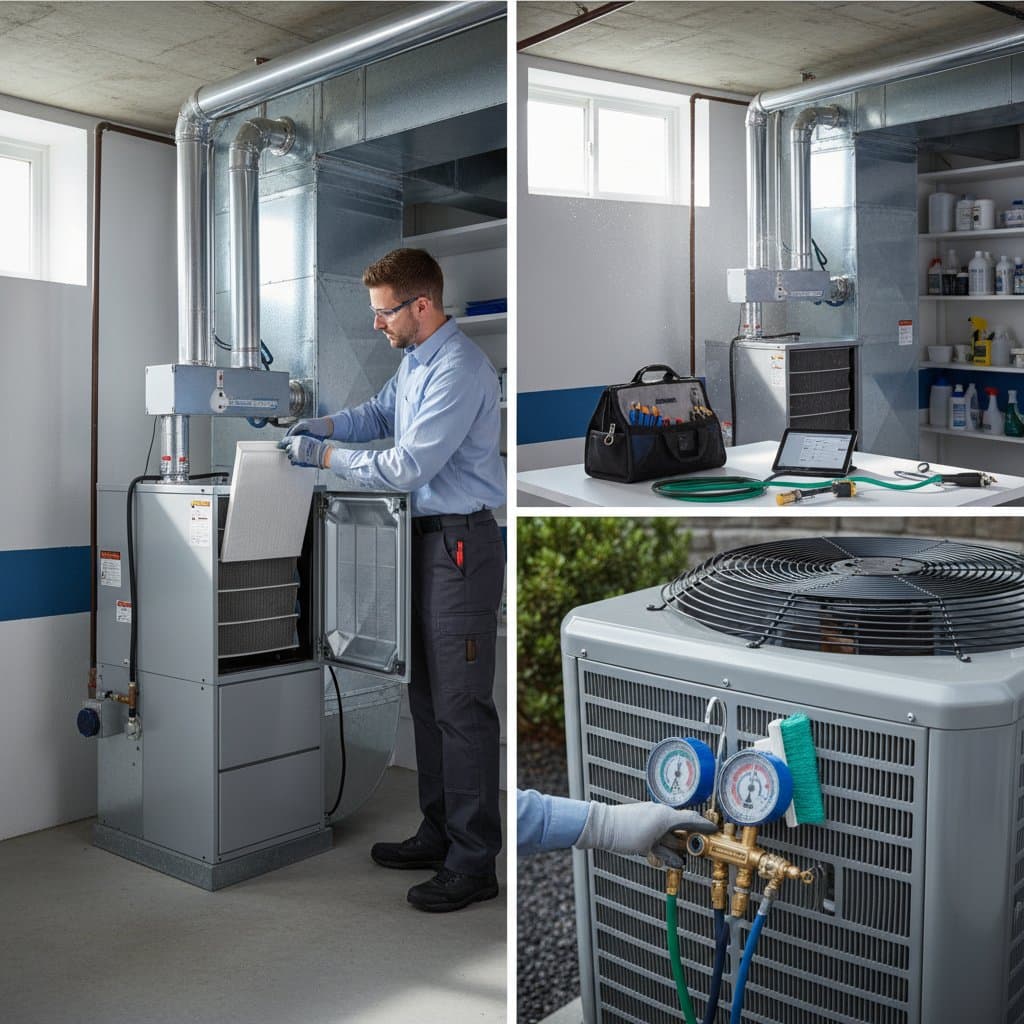
Dirty filters restrict airflow and force the system to work harder, increasing energy use and wear. Examine filters monthly during heavy use, but replace them at least every three months. Select filters with a MERV rating of 8 to 13 for balanced filtration without excessive resistance. Proper installation involves sliding the new filter into the slot with arrows pointing toward airflow direction.
2. Clean Vents and Registers
Dust accumulation in vents reduces efficiency and circulates allergens. Remove visible debris from registers with a soft brush or vacuum. For thorough cleaning, schedule duct inspection if airflow seems weak. This step improves distribution and maintains even temperatures throughout the home.
3. Clean Evaporator and Condenser Coils
Coils covered in dirt hinder heat transfer, leading to higher bills and potential overheating. Use a coil cleaner spray on the evaporator coil inside the unit, following manufacturer guidelines. For the outdoor condenser, gently rinse with a hose to remove debris, avoiding high pressure that could bend fins. Clean coils restore efficiency and prevent compressor strain.
4. Inspect Refrigerant Lines and Insulation
Refrigerant lines carry coolant between indoor and outdoor units. Compromised insulation results in energy loss and inconsistent cooling. Examine for cracks, brittleness, or gaps in foam covering. Affordable replacement sleeves enhance efficiency with minimal effort.
Frost on lines or hissing noises signal refrigerant problems. These require certified technicians with specialized equipment for safe resolution.
5. Test the Thermostat and Controls
Inaccurate thermostats cause overworking and discomfort. Compare readings against a separate thermometer; discrepancies over two degrees warrant adjustment or replacement. Smart models, priced from 100 to 250 dollars, offer scheduling and remote access for optimized energy use.
6. Check Electrical Connections and Capacitors
Corroded or loose connections lead to power issues and failures. Disconnect power before checking for frayed wires or burn marks. Professionals handle complex diagnostics during tune-ups.
A technician visit, costing 100 to 250 dollars, includes capacitor testing and safety checks. This prevents extensive repairs that could exceed thousands of dollars.
7. Schedule a Professional Tune-Up
Annual inspections by experts uncover hidden issues like refrigerant leaks or motor wear. Technicians use diagnostic tools to measure performance metrics. Book early in spring to avoid peak-season delays and secure better rates.
8. Examine the Outdoor Unit
The condenser unit outdoors collects leaves, dirt, and debris over winter. Clear the area around it, ensuring at least two feet of clearance. Straighten bent fins with a fin comb if needed. This promotes better heat dissipation and reduces operational stress.
9. Inspect Ductwork for Leaks
Leaky ducts waste up to 30 percent of conditioned air. Look for disconnected joints or holes in accessible areas. Seal with mastic or foil tape rather than cloth duct tape. Professional sealing improves overall system efficiency.
Preventing Hidden Costs Through Proactive Care
Minor neglect often leads to significant expenses. For example, a clogged drain causes water damage that spreads quickly.
10. Clear and Test the Condensate Drain Line
The drain line manages moisture from the evaporator coil. Flush it with a vinegar and warm water solution to dissolve buildup. A clear line prevents mold and leaks, safeguarding the home's structure.
11. Listen for Unusual Noises
Sounds like grinding or rattling point to mechanical issues. Early intervention avoids fan or motor replacement. Maintain a log of observations to aid professional assessments.
12. Check Insulation and Weather Sealing Around the Home
Air leaks undermine even the best-maintained system. Inspect seals on windows, doors, and attics. Upgrades like caulking and added insulation cut energy loss by 10 to 20 percent.
Budgeting for Preventive Maintenance
Regular care extends system longevity to 15 to 20 years. Neglect shortens this dramatically.
Consider these costs:
- DIY supplies such as filters and cleaners: 30 to 80 dollars per season.
- Professional tune-up: 100 to 250 dollars.
- Major repairs like compressor replacement: 1,200 to 2,500 dollars.
Investing modestly now yields substantial savings later.
Energy Efficiency and Environmental Responsibility
Efficient systems lower electricity demands and emissions. Actions like duct sealing and filter changes reduce household impact.
Opt for low-global-warming-potential refrigerants. Utilities provide incentives for efficient upgrades, ideal for spring planning.
Sustaining Comfort and Savings Year-Round
Spring maintenance secures reliable performance through seasons. It minimizes disruptions and controls expenses.
Focus on these steps annually to protect your investment. The result is consistent comfort and reduced environmental strain.