
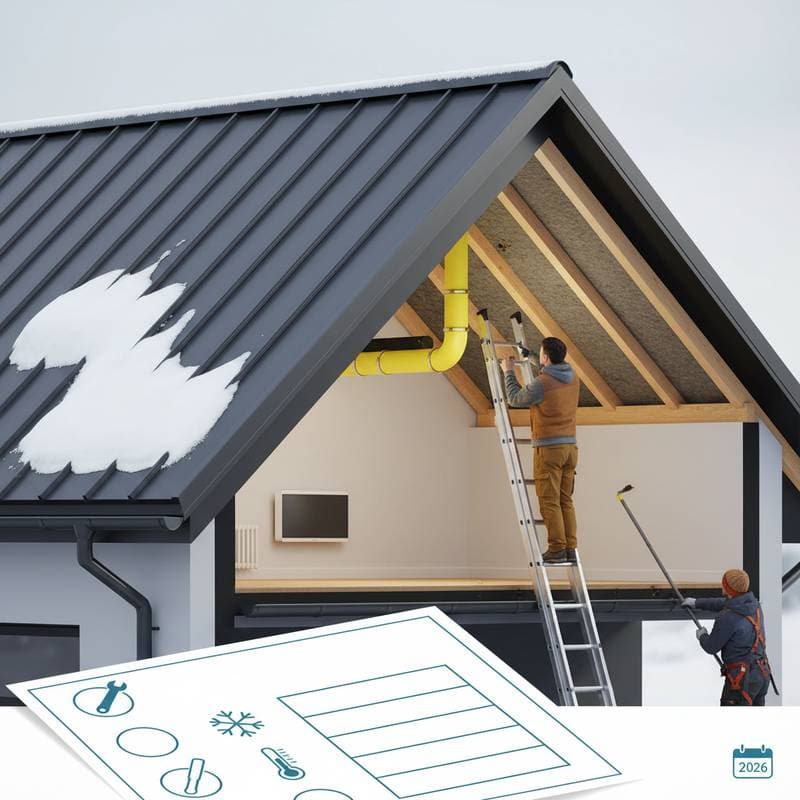
Fortify Your Home Against Winter Storm Damage
Homeowners can protect their properties from severe winter weather through advance planning. Many individuals delay action until the initial cold front arrives, yet proactive measures distinguish between expensive crises and seamless seasonal shifts. This season, prioritize reinforcing susceptible zones, enhancing energy efficiency, and preparing the structure to withstand substantial snowfall, ice accumulation, and subzero conditions.
Key Areas to Inspect Before the First Freeze
Begin with fundamental evaluations of the roof, gutters, siding, and foundation. Search for absent shingles, unsecured flashing, and evidence of water penetration in the attic or basement. Engage a licensed contractor for a roof assessment, which typically ranges from 150 to 400 dollars; alternatively, perform minor do-it-yourself fixes such as sealing gaps or substituting individual shingles for about 50 dollars in supplies. For aging roofs, expert reinforcement prior to winter represents a wise financial choice that prevents extensive harm.
Gutters require comparable scrutiny. Obstructed gutters rank among the primary contributors to ice dams, which force refreezing meltwater into the roofing layers. Clear them completely, verify downspout functionality, and install heated gutter cables in areas prone to intense freezes; this enhancement, costing 100 to 200 dollars, averts thousands in water-related repairs.
Extend inspections to exterior siding and the foundation. Probe for cracks or shifts that could worsen under freeze-thaw cycles. Apply sealant to any fissures in the foundation to block moisture entry, a task that demands basic tools and materials under 100 dollars.
Reinforcing Doors, Windows, and Insulation
Infiltration of cold air quietly erodes household budgets. On a breezy day, traverse the interior and detect drafts near doors and windows; each gap signifies heat escape and elevated energy expenses. Install weatherstripping kits, which prove economical and require less than one hour for application. For dated windows, apply plastic sheeting or thermal drapes to create an extra thermal shield.
Consider a professional energy audit, priced at 200 to 500 dollars, to identify precise locations of heat loss. Such audits employ tools like blower doors and infrared cameras to reveal inefficiencies. Follow recommendations to seal gaps around outlets, switches, and recessed lights with foam gaskets or caulk.
Attic insulation forms a vital protective barrier. Visibility of ceiling joists from below indicates insufficient coverage. Install blown-in cellulose or fiberglass batts, with costs for an average residence spanning 1,500 to 2,500 dollars; these investments yield rapid returns via reduced heating demands and enhanced indoor comfort.
Protecting Plumbing and Heating Systems
Frozen pipes emerge as one of the priciest winter calamities, often leading to bursts and flooding. Insulate all visible pipes in basements, garages, and crawl spaces using foam pipe sleeves or electrical heat tape, both of which install easily and cost under 50 dollars per section. Locate pipes near exterior walls or unheated areas for priority treatment.
For older water heaters, drain the tank to eliminate sediment accumulation and inspect the temperature-pressure relief valve. Schedule a professional review, around 100 to 200 dollars, to confirm safe operation amid winter pressures. Set the thermostat to 120 degrees Fahrenheit to balance efficiency and prevent scalding.
Heating systems merit thorough attention. Replace air filters monthly during peak use, test carbon monoxide alarms biannually, and arrange a furnace inspection. Technicians check for issues like cracked heat exchangers or faulty igniters, averting breakdowns in extreme cold. Maintain three feet of clearance around registers and ensure unobstructed vents to promote even heat distribution.
Exterior and Landscape Considerations
Address outdoor elements to minimize risks. Prune tree branches overhanging the roof or utility lines, as snow loads may cause collapses. Inspect fences, decks, and outbuildings for unstable components; secure loose elements with galvanized screws or brackets.
Secure or store outdoor items like furniture, barbecues, and tools to resist high winds. If relying on a backup generator, conduct a load test and store fuel in approved containers distant from the home. Review placement to avoid exhaust fumes entering living spaces.
Prepare driveways and pathways by sealing cracks in concrete or asphalt before freezes, which exacerbate splits through expansion. Stockpile sand or environmentally safe deicers for traction. Clear snow promptly from walkways to reduce slip hazards and structural strain.
Pro Tips for Success
Assemble a winter emergency kit containing flashlights, spare batteries, drinking water, warm blankets, and a basic first-aid kit. Examine the homeowners insurance policy to verify protections against storm-related damages and leaks. Capture photographs of the property and its components prior to winter onset for potential claim documentation.
Seek professional guidance for complex tasks. Licensed contractors, energy specialists, and heating technicians fill schedules rapidly as temperatures drop. Reserve appointments early to secure optimal rates and timelines.
Building Lasting Winter Resilience
Preparation for winter extends beyond enduring the immediate challenges; it safeguards the home's enduring worth. Every preventive action implemented now diminishes the likelihood of future expenditures. Through sealing vulnerabilities, bolstering insulation, and servicing essential systems, homeowners cultivate durability that delivers ongoing benefits in livability and tranquility. As storms approach, readiness ensures the structure endures with reliability.