
Spring HVAC Checklist: Essential Steps for Summer Efficiency
Homeowners often discover air conditioning issues during the peak of summer heat. Proactive preparation in spring ensures reliable performance and controlled energy expenses. Basic maintenance tasks require only a weekend commitment and yield benefits such as improved indoor air quality, reduced utility bills, and avoidance of unexpected repairs.
Essential Preparation Highlights
- Clean evaporator and condenser coils, replace air filters, and verify airflow prior to rising temperatures.
- Budget seventy to one hundred fifty dollars for essential supplies, or allocate up to three hundred dollars for expert assistance.
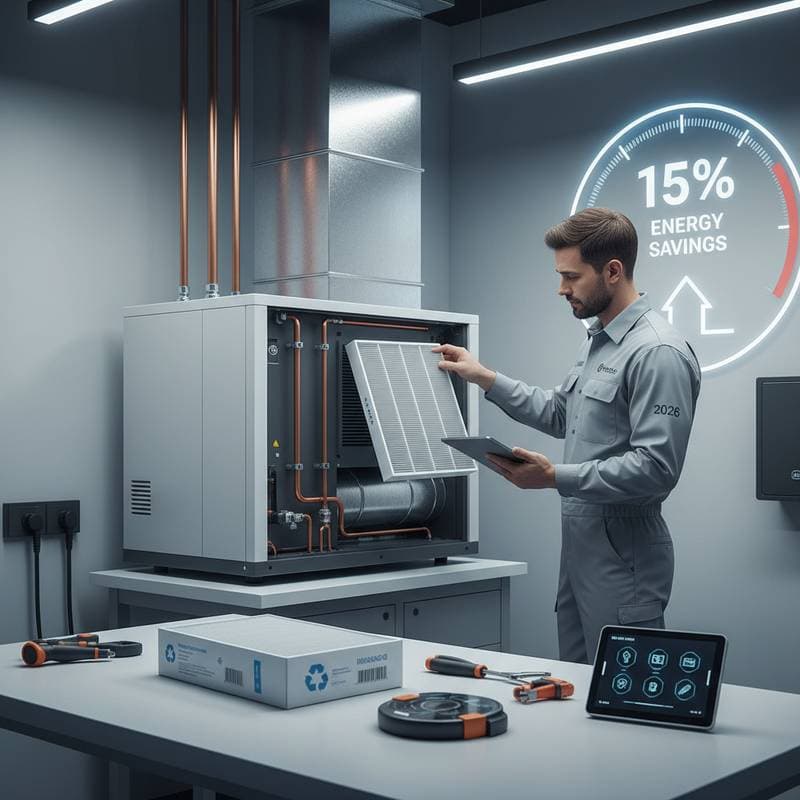
- Implement these measures to decrease summer energy consumption by as much as 15 percent.
- Focus on high-impact areas like duct sealing and thermostat calibration for maximum returns.
- Document all activities to track system health over time.
Step 1: Replace or Clean Air Filters
Clogged air filters force HVAC systems to operate inefficiently by limiting airflow. This strain increases electricity usage as the blower motor labors longer to circulate air. Homeowners should replace disposable filters every one to three months based on household activity levels, or clean reusable filters with mild soap and water until no residue remains.
For homes with allergy sufferers, select pleated filters with MERV ratings of 11 to 13. These options capture finer particles like dust and pollen more effectively. Expect to pay fifteen to forty dollars per filter, an investment that promotes healthier breathing spaces year-round.
Step 2: Clean and Examine Outdoor Condenser Units
Debris accumulation around outdoor units impairs heat dissipation, reducing overall system efficiency. Inspect the condenser for leaves, grass clippings, or dirt lodged in the fins. Turn off power at the breaker before proceeding, then remove the access panel and gently brush or vacuum away obstructions.
A light rinse with a garden hose clears remaining residue without damaging components. Pressure washers pose risks to the fins, so avoid their use entirely. Verify that the unit rests on a level, stable pad; any tilt stresses refrigerant lines and accelerates wear on the compressor.
Spot oil leaks or rust as indicators of deeper problems. In such cases, engage a certified technician promptly to assess and address potential refrigerant issues or corrosion.
Step 3: Inspect and Seal Ductwork
Inefficient duct systems lose up to 30 percent of cooled air through leaks or poor insulation. Examine accessible ducts in attics, basements, or crawl spaces for disconnected joints, damaged wrapping, or visible gaps. Apply foil-backed tape or mastic sealant to minor breaches for a durable fix.
Standard duct tape deteriorates with heat cycles, so select materials designed for HVAC applications. Within living areas, remove dust from register covers using a vacuum and reposition furniture to prevent airflow restrictions. Even distribution of air maintains consistent temperatures and eases the load on the system.
Step 4: Verify Thermostat Functionality
Inaccurate thermostats trigger unnecessary cooling cycles, inflating energy costs unnoticed. Place a reliable room thermometer near the unit and compare readings. A variance exceeding two degrees signals the need for adjustment or replacement.
Programmable thermostats offer scheduling features that align with daily routines. Smart models, priced from one hundred to two hundred dollars, integrate with mobile apps for remote control and learning algorithms. These upgrades typically lower cooling expenses by about 10 percent annually through optimized operation.
Step 5: Clear Condensate Drains and Pans
Rising spring humidity promotes condensation in HVAC components, which can clog drains and foster mold. Locate drain lines near the indoor coil and use a wet-dry vacuum to extract blockages. Follow with a vinegar flush—one cup diluted in water—to inhibit bacterial growth.
Inspect the drain pan beneath the evaporator for standing water or debris. Secure its position and clean thoroughly to prevent overflows that damage surrounding structures. Regular attention here safeguards against water-related hazards and maintains system hygiene.
Indicators for Professional Intervention
Certain symptoms demand expert evaluation to avoid safety risks or further damage. Weak airflow, strange sounds from the unit, or scents resembling chemicals point to refrigerant leaks or mechanical faults. Homeowners lack the certification to handle refrigerants, and electrical repairs carry hazards of shock.
Professional services, costing one hundred to two hundred dollars, encompass comprehensive diagnostics like pressure testing and deep cleaning. Technicians ensure compliance with codes and optimize performance beyond basic DIY efforts.
Advanced Strategies for Optimal Performance
Time maintenance for early spring, ahead of demand surges that limit part availability. Maintain a log recording filter replacements and inspection dates to inform future schedules. Clear a two-foot perimeter around outdoor units by trimming plants, preserving unrestricted ventilation.
Request professionals to evaluate duct insulation thickness during visits; inadequate coverage contributes to energy loss. Combine these practices with habits like closing blinds during peak sun to amplify savings.
Secure Long-Term System Reliability
Consistent spring preparation extends HVAC lifespan and stabilizes monthly expenses. Homeowners gain peace of mind from a system primed for seasonal demands. Implement these steps to foster a comfortable, cost-effective home environment throughout the warmer months.