
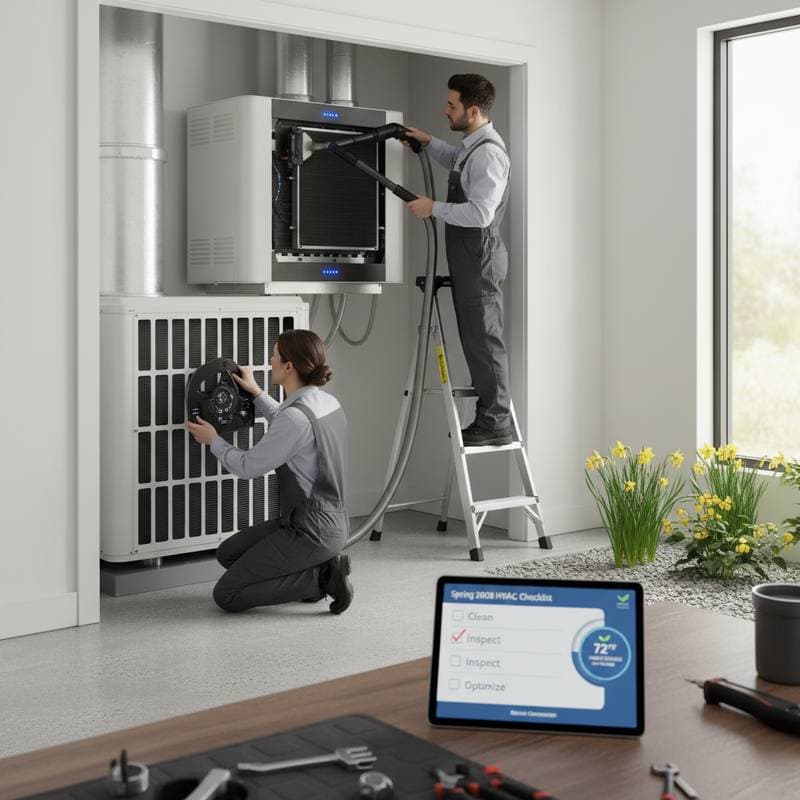
Introduction to Spring HVAC Preparation
As warmer weather approaches in spring 2026, attention to your heating, ventilation, and air conditioning system becomes essential. A well-maintained HVAC unit operates more efficiently, distributes air evenly, and prevents unexpected breakdowns during peak usage. This article outlines a three-stage tune-up process designed for homeowners seeking reliable performance without professional intervention.
The stages focus on cleaning, inspection, and optimization, providing a comprehensive approach to readiness. Homeowners with systems in large residences, multi-story homes, or areas with inconsistent sun exposure benefit most from these targeted efforts. Implementing them ensures balanced operation and sustained energy savings.
Stage 1: Thorough Cleaning for Optimal Airflow
Begin the tune-up by addressing accumulated dirt and debris, which hinder performance and increase energy consumption. Start with the air filters, as clogged ones restrict airflow and strain the blower motor. Remove the filter from its slot, vacuum loose particles, and install a new one rated MERV 8 or higher for effective filtration without excessive resistance.
Next, access the evaporator coils inside the indoor unit. Use a soft brush or compressed air to gently remove dust buildup, taking care not to bend the delicate fins. For the outdoor condenser, clear grass clippings, leaves, and pollen from the coils using a garden hose on a low-pressure setting. Rinse from the top down to avoid water pooling, and allow the unit to dry completely before testing.
This cleaning stage restores the system's capacity to move air efficiently. Expect improved circulation and a noticeable drop in operational noise after completion. Perform these tasks early in spring to capitalize on mild temperatures.
Stage 2: Detailed Inspection for System Integrity
With surfaces clean, shift to inspecting components for signs of wear or malfunction. Examine the blower fan for balanced rotation; listen for irregular vibrations that may indicate misalignment. Check ductwork for visible leaks or disconnected sections, sealing any gaps with mastic tape or foil to prevent conditioned air loss.
Verify refrigerant levels by observing the coils during operation; frost formation suggests low charge, requiring professional adjustment. Inspect electrical connections for corrosion or looseness, tightening as needed with insulated tools. Test the thermostat by adjusting settings and confirming the system responds promptly without delays.
Safety features demand attention as well. Ensure the condensate drain line remains clear by flushing it with a vinegar solution to dissolve mineral deposits. This stage identifies potential issues before they escalate, safeguarding both equipment and household well-being.
Stage 3: Optimization for Energy Efficiency
Conclude the tune-up by fine-tuning settings and incorporating enhancements for long-term savings. Calibrate the thermostat to maintain consistent temperatures, programming it to raise settings by two degrees when unoccupied. Seal windows and doors with weatherstripping to minimize heat gain, reducing the system's workload.
Consider ventilation and indoor air quality upgrades to complement core functions. Install an energy recovery ventilator or high-efficiency air purifier to exchange stale air with fresh outdoor air while preserving cooling energy. These additions suit large homes or multi-story layouts with varying sun exposure.
Cost range:
- Portable air purifier: $150 to $500
- Whole-house energy recovery ventilator: $2,000 to $4,500
Replace standard filters with high-efficiency models and schedule their renewal every two to three months. Such optimizations not only lower utility bills but also enhance overall comfort.
Establishing a Year-Round Maintenance Routine
Extend the benefits of your spring tune-up through an annual schedule that addresses seasonal demands. Consistency prevents minor problems from developing into major repairs.
- Spring: Clean evaporator and condenser coils, replace air filters, test airflow patterns, and check refrigerant levels.
- Summer: Verify thermostat precision, remove debris from the outdoor unit, and inspect condensate drains on a monthly basis.
- Fall: Install fresh filters, examine furnace burners for even flames, and confirm carbon monoxide detectors function properly.
- Winter: Clear snow and ice from outdoor components, and validate emergency shutoff mechanisms.
Adhering to this cycle maintains system balance and efficiency across all seasons. Track progress in a dedicated log to monitor patterns and inform future adjustments.
Resolving Typical Spring Challenges
Even after a tune-up, occasional issues may arise. Address them systematically to restore normal operation.
- Weak airflow: Inspect for dirty filters, closed supply vents, or obstructed return grilles; open or clean as required.
- Uneven cooling: Review duct dampers and adjust registers for balance; persistent problems warrant professional duct evaluation.
- Short cycling: Relocate the thermostat away from sunlight or direct airflow to avoid inaccurate readings.
- Water leaks at the air handler: Flush the condensate line and level the drain pan to redirect moisture properly.
- Unusual noises: Secure loose panels or screws for rattling; replace a worn blower belt if squealing occurs.
Prompt resolution keeps the system reliable and avoids discomfort during transitional weather.
Sustaining Long-Term Performance
Protect your HVAC investment through ongoing vigilance and strategic upgrades. Maintain a two-foot clearance around the outdoor condenser to facilitate unrestricted airflow. Track monthly energy bills for anomalies that signal emerging inefficiencies.
Arrange an annual professional inspection to uncover subtle deterioration invisible to untrained eyes. When components require replacement, select ENERGY STAR-certified options for superior efficiency ratings. Document all maintenance activities, including dates and details, to streamline warranty processes and aid technicians.
These practices ensure your system delivers consistent comfort while minimizing operational costs. Homeowners who integrate them enjoy a more resilient setup prepared for every season.