
Essential Spring HVAC Checklist for Lower Energy Costs
Spring arrives with the first hints of warmth, prompting homeowners to refresh their living spaces. As temperatures rise, the HVAC system shifts into cooling mode, and its performance directly affects comfort and expenses. A targeted maintenance routine in spring ensures the system operates efficiently, avoiding unexpected breakdowns and high utility bills during peak summer demand.
This checklist guides you through practical steps to optimize your HVAC setup. By addressing common issues early, you maintain consistent temperatures and improve overall home comfort. The result is a system that runs smoother and consumes less energy throughout the season.
Benefits of Regular Spring HVAC Maintenance
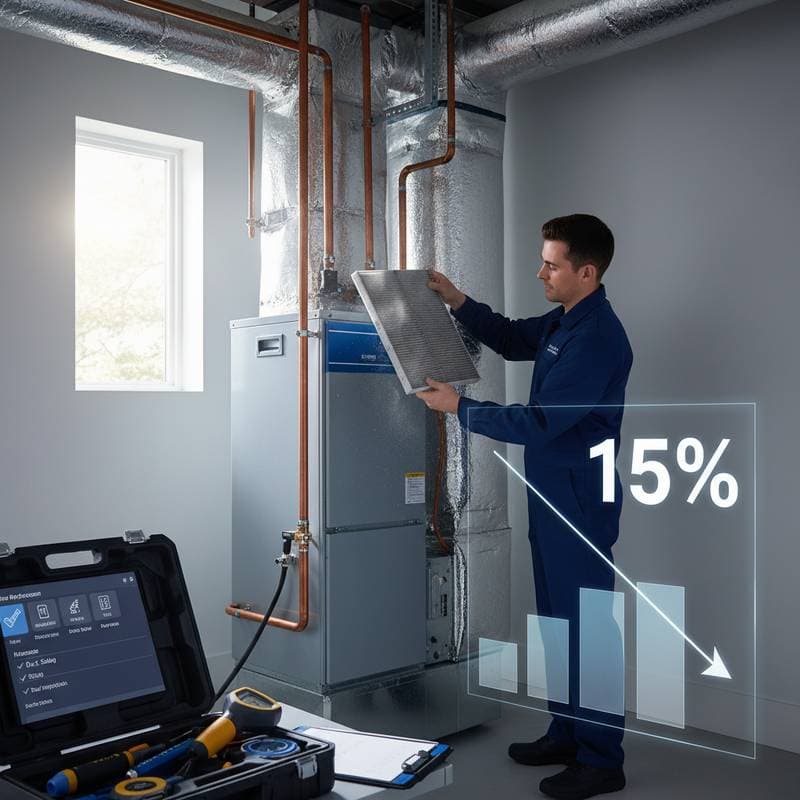
Proper upkeep reduces energy consumption by up to 15 percent when compared to systems lacking routine care. This efficiency stems from better airflow, balanced temperatures, and reduced strain on components. Homeowners who neglect maintenance often face higher bills and premature wear on expensive parts like compressors and coils.
Beyond cost savings, maintenance enhances indoor air quality by minimizing dust and allergens. It also extends the system's lifespan, potentially delaying the need for a full replacement that can exceed several thousand dollars. Scheduling these checks in spring allows time for repairs before the intense heat arrives, preventing discomfort during hot spells.
Basic tasks require minimal tools and investment, typically 50 to 150 dollars for supplies. For comprehensive evaluations, professional services range from 100 to 250 dollars and occur every other season. These investments yield returns through lower operational costs and reliable performance.
Step 1: Replace or Clean Air Filters
Dirty filters restrict airflow, compelling the blower motor to consume extra power. This inefficiency not only raises energy use but also diminishes cooling effectiveness. Homeowners should inspect filters monthly and replace disposable types or clean reusable ones every two months during active seasons.
Select filters with MERV ratings between 8 and 12 to capture particles effectively without overburdening the system. Higher ratings improve air purity but may require more frequent changes. Stock several spares in your utility area to ensure prompt replacements and uninterrupted operation.
After installation, monitor the system's response for improved quietness and faster temperature adjustments. This foundational step sets the tone for the entire maintenance process.
Step 2: Clear Vents and Registers
Obstructions in vents disrupt air circulation, forcing the HVAC to work harder to achieve desired temperatures. Common culprits include shifted furniture, draped fabrics, and accumulated dust. A thorough room-by-room inspection reveals these issues quickly.
Ensure all registers remain fully open and free from barriers. Employ a vacuum with a brush attachment to dislodge debris from grilles and surrounding areas. This action promotes uniform cooling and eases the system's load, contributing to energy savings.
Repeat this check seasonally, as shifting home layouts can create new blockages over time. Even minor improvements here lead to noticeable differences in comfort and efficiency.
Step 3: Examine the Outdoor Condenser Unit
Winter debris such as leaves and branches often surrounds the outdoor unit, impeding heat exchange. Clear a two-foot perimeter around the condenser to restore proper ventilation. Use a garden hose on a low-pressure setting to rinse the coils, avoiding damage to delicate fins.
Trim encroaching vegetation that could restrict airflow during operation. Listen for unusual sounds like rattling, which may indicate loose parts, and watch for signs of corrosion or residue buildup. Address these promptly to prevent efficiency losses.
If the unit shows persistent issues, such as uneven cooling or excessive noise, contact a technician. Early intervention avoids costly repairs later in the season.
Step 4: Evaluate Thermostat and Building Seals
The thermostat serves as the system's control center, and inaccuracies lead to overworking. Test its response by adjusting the setting several degrees and timing the cycle duration. Programmable or smart models, priced from 100 to 300 dollars, adapt to occupancy patterns for optimized energy use.
Examine seals around windows and doors for gaps that allow conditioned air to escape. Apply weatherstripping or caulk to tighten these areas, reducing the HVAC's compensatory efforts. This combined approach stabilizes indoor climates with less effort.
Recalibrate older thermostats if needed, or consider upgrades for features like remote access. These enhancements provide long-term control over comfort levels.
Step 5: Inspect Ducts and Insulation
Duct leaks squander up to 30 percent of cooled air, driving up energy demands. Crawl through accessible areas to identify loose connections, visible gaps, or unusually cool sections. Seal imperfections with foil-backed tape designed for HVAC applications, steering clear of standard adhesives that degrade over time.
Assess insulation in attics and crawl spaces for adequacy and condition. Thin or moist materials fail to retain temperatures, increasing system runtime. Add rigid foam boards or fiberglass batts where necessary to bolster thermal barriers.
These measures not only cut waste but also enhance even heating and cooling distribution. Professional duct testing, if pursued, pinpoints hidden inefficiencies for targeted fixes.
Step 6: Arrange Professional Technician Visit
Experts perform critical tasks like refrigerant recharging, electrical inspections, and performance tuning. They use specialized tools to detect subtle faults that DIY methods miss. For units over 10 years old or with repair history, discuss upgrade options that promise superior efficiency.
Newer systems incorporate variable-speed compressors and smart diagnostics, reducing annual costs significantly. Installation expenses vary from 3,500 to 10,000 dollars based on capacity and features. Weigh these against ongoing savings for informed decisions.
Post-inspection, request a performance report to track improvements. This step ensures the system meets peak demands reliably.
Additional Strategies for Optimal Performance
Maintain a detailed log recording filter changes, cleaning dates, and service records. This habit aids in predicting needs and verifying warranty compliance. Time vent and coil cleanings to precede high-pollen periods for superior air filtration.
Incorporate ceiling fans to enhance air movement, allowing higher thermostat settings without sacrificing comfort. Verify carbon monoxide detectors function if a gas furnace integrates with the system. A full home energy audit, costing 150 to 400 dollars, uncovers broader efficiency opportunities.
These practices compound the benefits of your spring efforts, fostering sustained savings.
Sustaining HVAC Efficiency Year-Round
With maintenance complete, expect reduced noise, precise temperature control, and trimmed bills. Clean components deliver fresher air, elevating daily living quality. This proactive approach transforms routine upkeep into a strategy for enduring home efficiency.