
- Choose fans with reversible motors for year-round utility, pulling air up in summer and down in winter.
- Ensure blade sweep matches room size: 44 to 50 inches for medium spaces, larger for open areas.
- Position fans to rotate counterclockwise in summer, directing cool air downward.
- Integrate with smart controls or timers to operate only when rooms are occupied, avoiding unnecessary energy use.
Pair fans with strategic placement in high-use rooms like living areas and bedrooms. Regular dusting of blades maintains efficiency and prevents imbalance.
Step 5: Upgrade Lighting and Appliances
Extended daylight hours in summer encourage natural illumination, yet legacy lighting and standby appliances contribute hidden energy loads. Modern alternatives curb these drains effectively.
Targeted efficiency improvements:
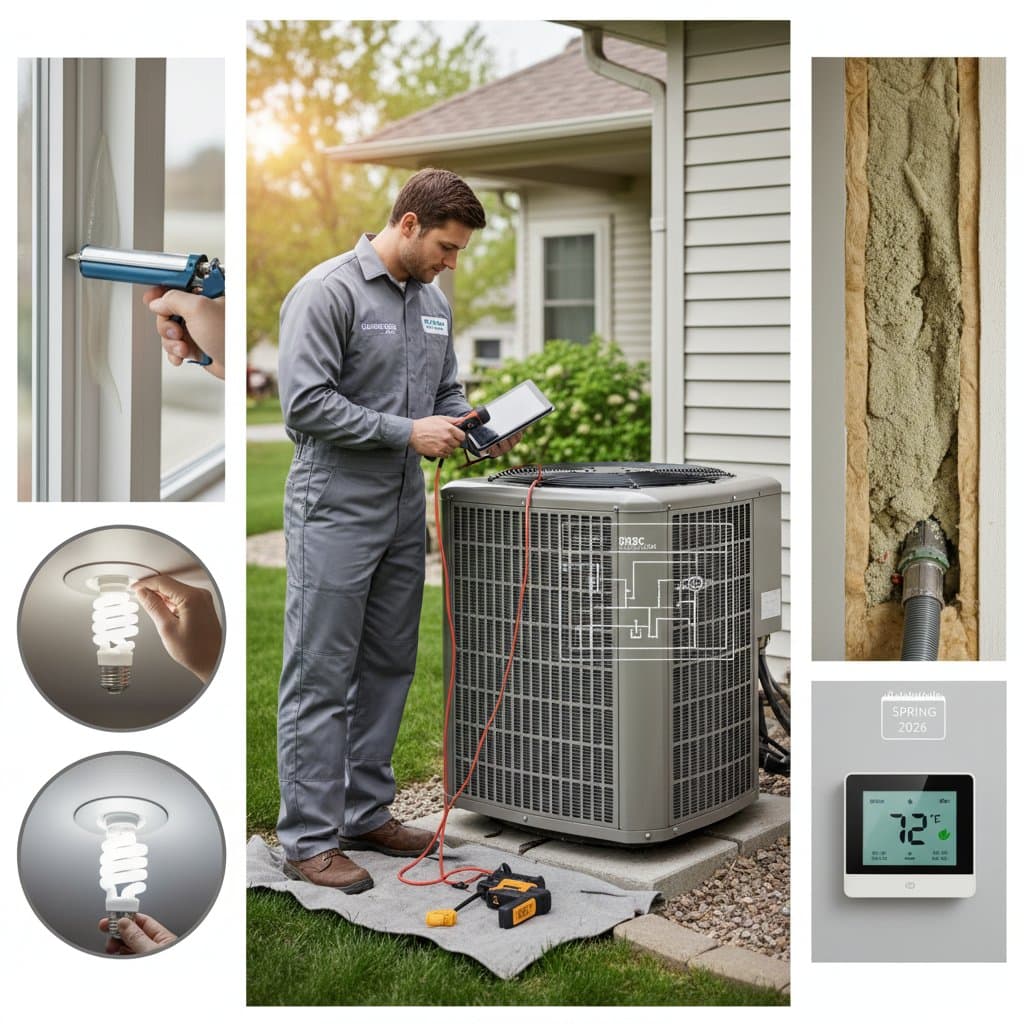
- Transition to light-emitting diode bulbs, which consume 75 percent less electricity than incandescents and last longer.
- Eliminate phantom power by unplugging devices or using smart strips that cut power to idle electronics.
- Schedule heat-generating appliances, such as dishwashers and dryers, for evening operation when outdoor temperatures drop.
- Vacuum condenser coils on refrigerators annually to sustain optimal cooling performance.
Evaluate appliances over ten years old against current Energy Star standards. Although initial investments vary, payback through reduced bills often occurs within three to five years.
Step 6: Implement Smart Water Usage Practices
Outdoor water features and irrigation systems add to summer energy demands through pumps and evaporation. Efficient water management cools landscapes and lessens cooling loads indirectly.
Water conservation tactics:
- Install low-flow showerheads and aerators to reduce hot water heating, which ties into overall energy use.
- Adjust irrigation timers for early morning watering to minimize evaporation and pump runtime.
- Mulch garden beds to retain soil moisture, decreasing watering frequency by up to 50 percent.
- Select drought-resistant plants and native species that require less maintenance and water.
These steps not only save energy but also lower water bills. Monitor usage with smart meters for ongoing adjustments.
Step 7: Conduct a Professional Energy Audit
Do-it-yourself efforts provide solid foundations, yet a professional audit delivers data-driven insights into hidden inefficiencies. Experts employ tools like infrared thermography and blower door tests to quantify air infiltration and thermal losses. Costs range from $300 to $500, yielding a customized report with savings projections.
Audits often uncover overlooked issues, such as uneven insulation or duct leaks, prioritizing fixes for maximum return. Many utilities offer subsidized audits, enhancing accessibility.
Strategies to Maximize Results
Approach improvements incrementally, beginning with inexpensive actions like filter changes and leak sealing before budgeting for major investments. Monitor monthly utility statements to quantify impacts and refine habits. Prioritize safety by disconnecting power sources during electrical work and employing protective equipment for insulation handling. Record all enhancements with documentation to support rebate claims or home value assessments.
Sustaining Efficiency Year-Round
Consistent upkeep ensures long-term benefits from spring preparations. Schedule biannual HVAC servicing to prevent summer surprises. Reassess insulation and seals annually, as settling can create new vulnerabilities. Integrate smart thermostats for automated adjustments based on occupancy and weather patterns. These habits not only sustain 20 percent cooling savings but also foster a resilient, comfortable home environment.