
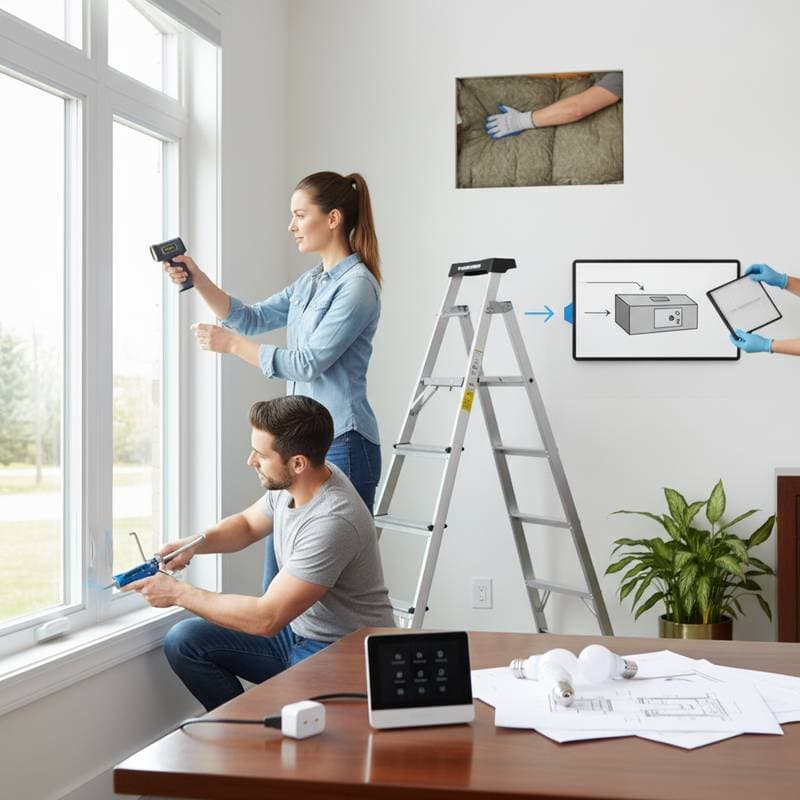
The Spring Audit That Slashes Utility Bills
The arrival of the first warm spring day signals renewal. Windows open to allow fresh air inside, and sunlight softens after winter's gray tones. This season provides an ideal opportunity to conduct a home energy audit, which reveals how efficiently the home operates before summer heat intensifies. Homeowners often focus spring cleaning on dusting and organizing closets. A more effective approach involves addressing energy leaks, as these directly contribute to rising utility bills.
Why Spring Serves as the Optimal Time for an Energy Audit
Spring bridges the heating and cooling seasons. The furnace operates less frequently, and the air conditioner remains idle. This transitional phase allows detection of inefficiencies that become obscured during peak system use. Individuals can assess insulation, identify drafts, and review energy habits without disrupting daily comfort.
A standard home energy audit requires one to three hours, based on the home's size. Professional services cost between 150 and 400 dollars. For a do-it-yourself option, basic tools such as an infrared thermometer, smoke pencil, or candle suffice for draft detection, keeping expenses minimal. Savings from reduced energy consumption typically recover the investment in one season.
Step One: Identify and Seal Obvious Air Leaks
Tour the home with a notepad in hand. Examine windows, doors, attic accesses, and utility penetrations in walls. Position a lit candle near these spots; a flickering flame indicates air movement. Apply caulk to gaps under a quarter inch wide, and install weatherstripping for broader openings. One leaky window frame alone can consume energy equivalent to powering multiple appliances each day.
Address electrical outlets on exterior walls with foam gaskets for insulation. These minor gaps facilitate substantial air exchange. In older residences, such upgrades enhance room comfort right away, particularly in areas prone to drafts.
Step Two: Assess Insulation and Attic Ventilation
Insulation functions as the home's primary defense against thermal loss. Review attics and crawl spaces for uniform coverage, free of voids or compression. The tops of floor joists should remain hidden; visibility suggests insufficient material. Installing blown-in cellulose or fiberglass batts costs 1.50 to 3.00 dollars per square foot, varying by type and depth. Energy savings on heating and cooling often yield returns in two to three years.
During the attic inspection, evaluate ventilation paths. Adequate airflow avoids moisture accumulation and heat retention, which burden the HVAC system. Ensure ridge vents and soffit vents stay clear of obstructions like debris or insulation. The presence of mold or dampness requires professional evaluation prior to any insulation additions.
Step Three: Inspect the HVAC System
Heating and cooling systems represent almost half of total energy use. Replace air filters every three months at minimum. Dirty filters impede airflow, compelling the blower motor to strain. Arrange a professional tune-up to confirm refrigerant charges and duct condition. Damaged ducts may dissipate up to 30 percent of treated air before distribution.
For units over ten years old, consider replacement with a high-efficiency model to reduce consumption substantially. Installation expenses range from 4000 to 8000 dollars, offset by rebates and ongoing savings. Smart thermostats enhance performance by adapting to occupancy patterns and automating adjustments. Utility providers frequently rebate these devices, lowering the net cost.
Step Four: Optimize Water Heating and Plumbing
Hot water accounts for a significant, often overlooked energy expense. Adjust the water heater setting to 120 degrees Fahrenheit. Lowering the temperature by 10 degrees saves up to 5 percent on heating costs. Insulate exposed hot water pipes, especially in unconditioned areas, using foam sleeves or insulation tape. This project costs under 20 dollars and fits into a weekend schedule.
Older or continuously operating water heaters warrant attention. High-efficiency or tankless alternatives heat water on demand, conserving energy and prolonging service life. Initial investments approach 2000 dollars, but efficiency gains justify the expenditure over time.
Step Five: Review Lighting and Appliances
Advancements in lighting reduce electricity demands. Swap incandescent bulbs for LEDs to decrease usage by up to 80 percent. LEDs endure 25 times longer than predecessors, minimizing replacements and environmental impact. Prioritize replacements in kitchens, hallways, and outdoor areas with frequent operation.
Appliances draw power even in standby mode. Disconnect seldom-used devices or employ smart power strips that eliminate phantom loads. Inspect energy labels on refrigerators, washers, and dishwashers. Units lacking current efficiency ratings may cost hundreds yearly; replacements yield quick returns. Dispose of outdated appliances via certified recycling to avoid harmful emissions.
Step Six: Enhance Windows and Shading Solutions
Windows profoundly influence comfort across seasons. Double-pane or low-emissivity glazing minimizes heat exchange. When replacement exceeds budget, apply interior window films or install cellular shades. These options curb solar gain and preserve warmth on cooler evenings. In regions with intense sun, exterior awnings or strategically placed shade trees on south exposures cut cooling expenses by 20 percent.
Curtains play a key role as well. Drapes with thermal linings form an air barrier for temperature stability. Close them during midday sun to prevent excess heat entry.
Step Seven: Analyze Daily Behaviors and Habits
Efficiency hinges on routines as much as equipment. Illuminated lights, partial dishwasher loads, or overly cool summer thermostat settings accumulate waste. Adopt practices like air-drying laundry on mild days or covering pots while cooking for tangible reductions. Monitor utility statements monthly to spot trends and refine actions.
A home energy monitor, priced below 100 dollars, displays real-time usage per circuit. Observing declines as devices deactivate provides strong incentive for continued vigilance.
Pro Tips for Maximum Impact
- Document changes with before-and-after photographs of sealed areas or added insulation to track progress.
- Target low-cost tasks under 50 dollars that deliver instant comfort gains.
- Research local rebates for insulation, thermostats, or appliances to offset expenses.
- Prioritize safety by de-energizing circuits before outlet work and using protective equipment with insulation.
- Engage experts for issues like mold, faulty wiring, or extensive structural breaches.
Sustaining Energy Savings Year-Round
Regular audits reinforce efficiency gains. Schedule seasonal reviews to catch emerging issues early. Combine structural improvements with habit adjustments for compounded benefits. Homeowners who commit to these practices enjoy lower bills, enhanced comfort, and reduced environmental footprint long term.