
Key Points
- EPA refrigerant regulations alter HVAC maintenance and repair practices for homeowners.
- R-410A faces phase-out, replaced by low global warming potential (GWP) options like R-454B and R-32.
- Early equipment upgrades and refined maintenance routines yield substantial long-term savings.
- Compliance demands certified technicians and rigorous leak prevention measures.
A Changing Landscape for Home Cooling
Picture a sweltering summer day when the air conditioner falters in maintaining a comfortable indoor temperature. Previously, technicians addressed such issues with a straightforward refrigerant recharge. Under forthcoming EPA regulations, these procedures will evolve significantly.
The Environmental Protection Agency establishes rules that govern refrigerant production, management, and servicing. These measures extend beyond administrative requirements. They influence homeowner expenses, system reliability, and ecological outcomes.
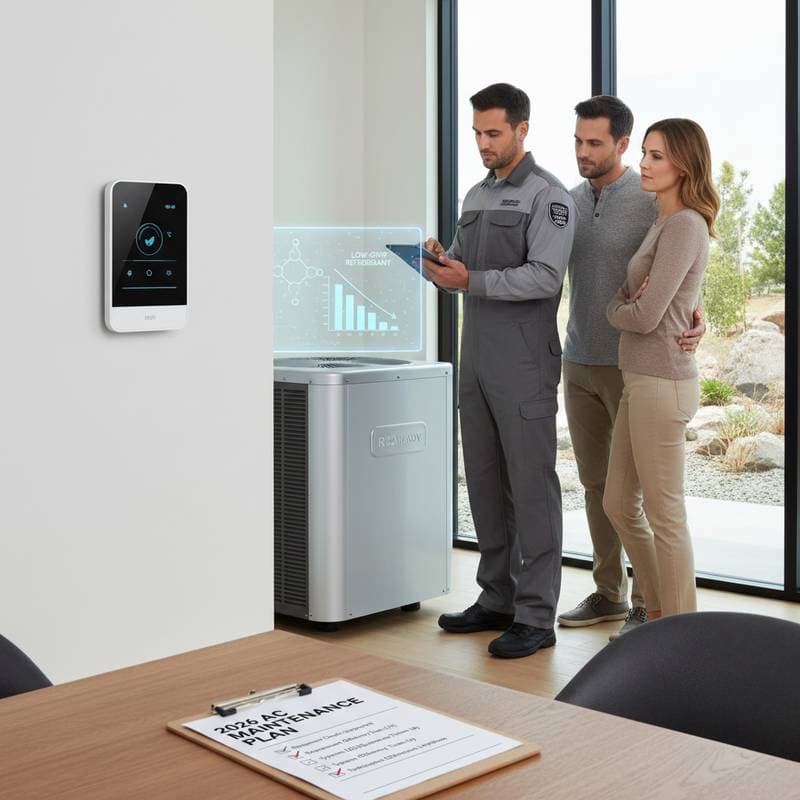
Homeowners often first notice these shifts during routine HVAC inspections. Systems relying on R-410A will transition to alternatives such as R-454B or R-32. These substitutes deliver comparable performance with reduced environmental harm, though they necessitate precise handling and potential hardware modifications.
Implications of the New Regulations for Homeowners
EPA standards target diminished environmental consequences from refrigerants. High-GWP substances accelerate climate change upon atmospheric release. Consequently, regulations compel manufacturers and technicians to adopt sustainable alternatives.
Homeowners encounter three primary adjustments:
- Equipment Compatibility: Legacy systems rarely accommodate new refrigerants without extensive retrofits, which prove uneconomical. Owners benefit from strategizing replacements in advance.
- Service Expenses: Diminishing availability of legacy refrigerants elevates costs. Recharges for older units may double in price relative to systems employing compliant options.
- Maintenance Protocols: Authorities enforce stricter leak detection, refrigerant recovery, and technician credentials. Verify that service providers hold EPA certification for handling advanced refrigerants.
Strategies for Budgeting the Transition
Although the regulatory changes present financial challenges, foresight renders them approachable. Replacing an HVAC system in a typical home costs between $6,000 and $12,000, varying by model, capacity, and installation demands. Units with low-GWP refrigerants incur a modest initial upcharge, yet their superior efficiency reduces energy expenditures by 10 to 20 percent annually.
For systems under ten years old, consistent upkeep proves vital. Perform coil cleaning, filter replacements, and leak checks yearly to prolong service life and postpone upgrades. Owners of aging equipment should establish a dedicated reserve fund, allocating several hundred dollars annually to cover inevitable transitions.
Technician Adaptations to the Changes
Service professionals undergo training in novel safety protocols and handling techniques. Certain low-GWP refrigerants exhibit mild flammability, demanding specialized equipment and storage solutions. During visits, observe technicians employing updated gauges, hoses, or recovery units.
These adaptations align with EPA certification mandates to minimize leaks and optimize performance. When selecting a provider, inquire about qualifications for next-generation refrigerants. A competent technician details the current system's refrigerant, compatibility assessments, and regulatory-compliant maintenance adjustments.
Balancing Sustainability and Home Comfort
These regulations pursue objectives that transcend mere adherence. Curtailing refrigerant emissions yields quantifiable ecological advantages. Each recovered pound averts greenhouse gas releases comparable to emissions from numerous car trips.
For environmentally conscious homeowners, adopting compliant systems represents a principled and pragmatic choice. Advanced refrigerants function at distinct pressures and temperatures, enhancing overall efficiency. Many report accelerated cooling and diminished utility bills post-upgrade.
The technical aspects may appear daunting, yet benefits manifest in reliable comfort and a lighter ecological imprint.
Practical Recommendations for Compliance
- Conduct a System Evaluation: Engage a licensed technician to identify the refrigerant in use and assess efficiency metrics. This clarifies the optimal upgrade schedule.
- Review Warranty Options: Manufacturers frequently provide incentives or prolonged coverage for low-GWP systems.
- Emphasize Leak Mitigation: Minor leaks escalate expenses over time. Request pressure testing at every service interval.
- Time Interventions Wisely: Arrange major work or installations during off-peak seasons to benefit from reduced demand and pricing.
- Monitor System Performance: Track energy usage and cooling effectiveness to gauge maintenance efficacy.
Maintaining Your Compliant HVAC System
After transitioning to a low-GWP refrigerant system, upkeep simplifies and costs stabilize. Sourcing replacement refrigerant becomes straightforward, while enhanced efficiency trims ongoing expenses. Maintain a detailed log of service dates, refrigerant specifications, and technician credentials.
EPA regulations, though regulatory in nature, advance responsible cooling solutions. Informed decisions safeguard investments and the planet. Future air conditioning delivers not only relief from heat but also assurance in sustainability.