
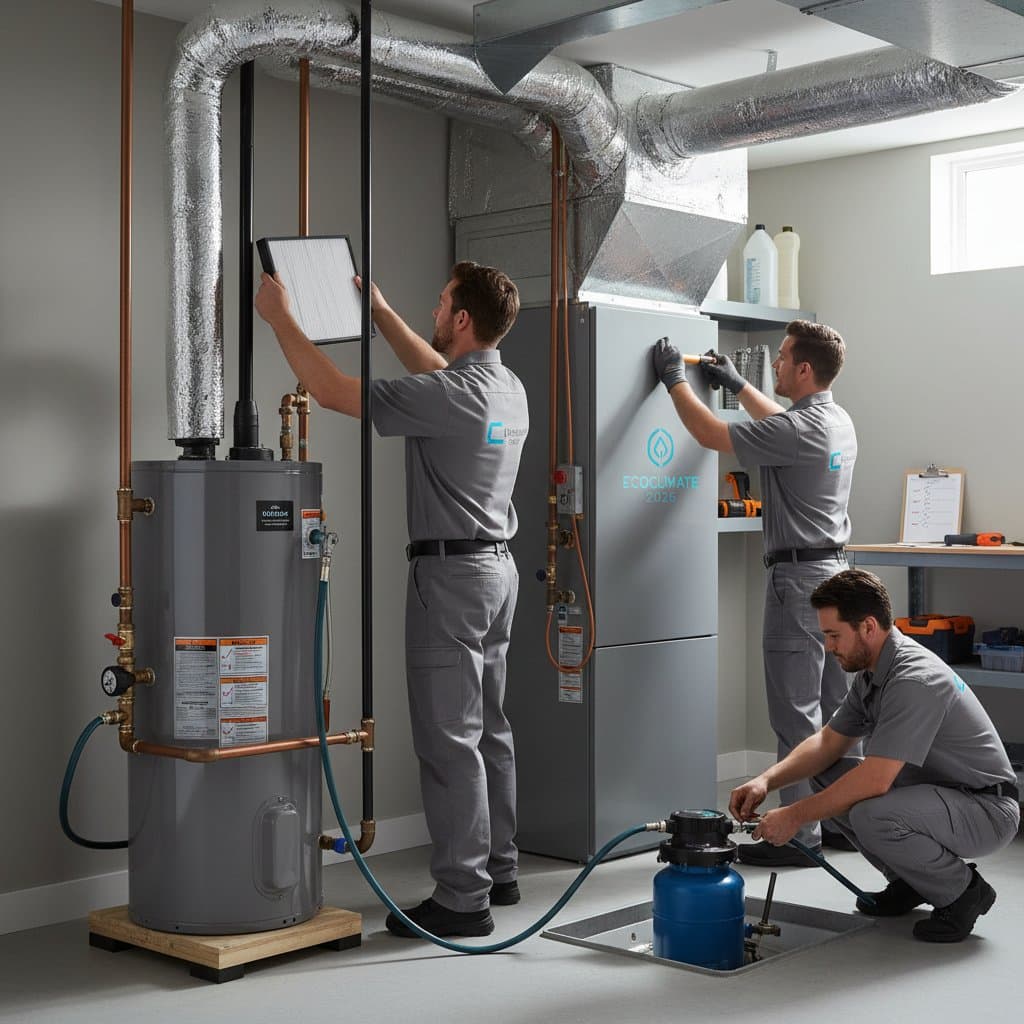
Prepare Your Home's HVAC and Plumbing for Spring
The initial hints of spring warmth signal that your home's essential systems have endured the rigors of winter. As you deactivate the heating and welcome fresh air, the HVAC and plumbing components begin their seasonal shift. This transition period offers an ideal opportunity to perform maintenance, ensuring readiness for impending heat or rain.
The Importance of Spring Preparation
Spring challenges both heating and cooling elements with fluctuating temperatures, rising humidity, and heightened water demands. These conditions can expose weaknesses in HVAC airflow or plumbing integrity, leading to inefficiencies or failures. Proactive care maintains optimal performance and halts minor issues from escalating into major expenses.
Homeowners who invest in spring upkeep for HVAC and plumbing often achieve 10 to 20 percent reductions in yearly energy and repair expenditures. Such savings accumulate over time, while sustained maintenance extends equipment life and enhances reliability.
Step One: Revitalize the HVAC System
Dedicate time to the HVAC before summer demands intensify. First, disconnect power at the breaker panel, then extract the existing air filter and install a new one. Fresh filters promote better circulation, ease motor workload, and elevate air purity. Replacement filters range from 10 to 40 dollars, varying by dimensions and quality.
Examine the exterior condenser for obstructions like accumulated leaves or debris. Gently hose down the coils to remove grime, avoiding damage to the delicate fins. For heavy soiling or deformities, engage a certified technician; service fees typically fall between 100 and 250 dollars, yielding substantial efficiency gains.
Verify thermostat functionality for seamless mode transitions. If relying on an older manual unit, consider a programmable or smart alternative to automate settings and conserve energy during absences.
Step Two: Optimize Ductwork Performance
Winter indoor activities deposit dust and allergens within ducts. Employ a vacuum equipped with an extension hose to clear reachable vents and grilles. Indicators such as heavy dust, unusual smells, or room temperature disparities may warrant professional cleaning, costing 300 to 600 dollars based on residence scale.
Scan exposed duct joints for gaps that squander up to 30 percent of treated air. Apply aluminum foil tape or mastic sealant to fortify seals, a simple task requiring under 50 dollars in supplies that boosts uniformity and trims utility expenses.
Step Three: Adapt Plumbing for Rising Temperatures
Warmer conditions introduce expansion risks to plumbing. Inspect outdoor taps and irrigation lines for freeze-induced cracks by gradually activating them and monitoring for seepage or foundation moisture. Promptly summon a plumber for concealed leaks to mitigate potential thousands in structural harm.
Address the water heater by draining sediment buildup from winter. Connect a hose to the outlet, direct flow to a container until transparent, then secure the valve. This process preserves heating performance and prolongs service life.
Review cabinet undersides and toilet bases for dampness or deposits. Upgrade worn hoses to braided stainless steel versions for superior strength and reduced leak potential; each swap costs less than 25 dollars and averts water-related disasters.
Step Four: Verify Sump Pumps and Drainage
Anticipate spring downpours by testing the sump pump: introduce a bucket of water to the pit and observe activation and ejection. Address delays or unusual sounds through professional evaluation to fortify against basement inundation and foundational threats.
Maintain interior drains with a vinegar-baking soda blend followed by scalding water. This method dissolves residues, curbs scents, and sustains unobstructed flow.
Step Five: Assess System Efficiency and Durability
With maintenance complete, appraise equipment status. HVAC systems endure 12 to 15 years on average, water heaters about 10. Anticipate replacements nearing these thresholds to sidestep disruptions. Contemporary efficient models cut energy demands by up to 25 percent over predecessors.
For eco-conscious upgrades, explore heat pumps or tankless heaters that minimize consumption and deliver enduring economies. Though upfront costs exceed basics, incentives and reduced bills recoup investments swiftly.
Essential Safety Measures and Expert Guidance
Prioritize safety by shutting off utilities before inspections and using protective gear. Consult licensed professionals for complex tasks like electrical checks or refrigerant handling to comply with codes and avoid hazards.
Practical Strategies for Effective Maintenance
- Arrange HVAC tune-ups prior to peak demand periods for availability and cost advantages.
- Maintain a detailed record of services, including dates for filters and repairs, to monitor trends.
- Select non-toxic cleaners to safeguard health and preserve component integrity.
- Ensure vegetation clearance of at least two feet around external units to facilitate access and ventilation.
- Gauge water pressure using a basic tool; high readings over 80 PSI necessitate regulators to prevent pipe stress.
Sustain Seasonal Comfort and Reliability
Thorough preparation equips your home to navigate spring's variability without interruption. This investment in HVAC and plumbing fosters enduring efficiency, curtails unforeseen costs, and allows undivided attention to outdoor renewal. With systems operating seamlessly, your living space remains a reliable haven amid changing weather.