
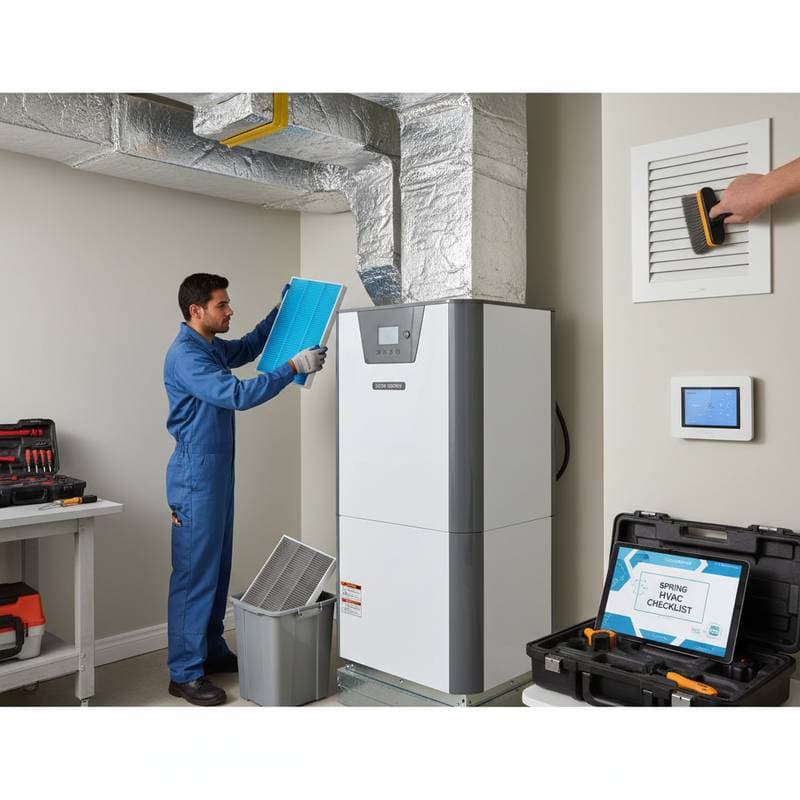
Preparing Your HVAC System for Spring: Avoid Mid-Season Breakdowns
Spring arrives with warmer days, signaling the time to prepare heating, ventilation, and air conditioning systems for the demands of summer. Neglecting maintenance at this stage often leads to unexpected failures when temperatures rise. A proactive approach ensures reliable performance, enhances energy efficiency, and reduces long-term expenses.
Homeowners who address HVAC needs early experience fewer disruptions and lower utility bills. Systems that receive proper care operate at peak capacity, distributing cool air evenly throughout living spaces. This preparation transforms potential headaches into seamless comfort as the season progresses.
The Importance of Spring HVAC Maintenance
HVAC units endure heavy use during extreme weather, accumulating dust, debris, and wear over winter months. Spring cleaning removes these buildup elements, restoring optimal airflow and preventing strain on components. Without this attention, efficiency drops, forcing the system to work harder and consume more energy.
Regular maintenance extends the lifespan of both indoor and outdoor parts. For instance, clean coils transfer heat more effectively, while lubricated motors run quietly and last longer. Homeowners save hundreds of dollars annually through reduced repairs and improved performance.
Investing time now pays dividends later. A well-maintained system supports indoor air quality by filtering out allergens and pollutants. Families breathe easier, and the home remains a comfortable refuge from rising outdoor heat.
Step-by-Step Spring HVAC Checklist
Follow this structured checklist to inspect and service the system thoroughly. Each step builds on the previous one, creating a comprehensive tune-up. Allocate a weekend afternoon to complete the process, gathering basic tools like a screwdriver, vacuum, and replacement filters beforehand.
1. Replace or Clean Air Filters
Air filters trap dust and particles, protecting the blower and coils from damage. Check filters monthly during peak seasons, but replace them at the start of spring regardless of appearance. Select filters with a MERV rating of 8 to 13 for balanced filtration without restricting airflow.
Locate the filter slot near the return air duct or inside the furnace cabinet. Slide out the old filter, note the airflow direction arrow, and insert the new one accordingly. This simple action improves air quality and can lower energy use by up to 15 percent.
2. Clean Vents and Registers
Dust accumulation in vents reduces airflow, making rooms unevenly cooled. Remove visible grime from supply and return registers using a soft brush and vacuum with a hose attachment. Focus on areas near high-traffic zones or pet bedding where debris gathers quickly.
Wipe down register covers with a damp cloth after vacuuming to eliminate residue. Ensure vents remain unobstructed by furniture or curtains, as blockages force the system to overcompensate. Proper cleaning promotes even temperature distribution throughout the home.
3. Inspect Ductwork for Leaks and Damage
Ducts convey conditioned air to every room, but leaks waste up to 30 percent of energy. Examine accessible sections in attics, basements, or crawl spaces for tears, loose connections, or disconnected joints. Use flashlight to spot gaps where air escapes.
Seal minor leaks with mastic sealant or foil tape, avoiding cloth duct tape which deteriorates over time. For extensive damage, note locations for professional assessment. Tight ducts enhance efficiency and maintain consistent comfort levels.
4. Test and Calibrate the Thermostat
Thermostats control system operation, so accuracy matters for energy savings. Verify the display matches room temperature using a separate thermometer. Programmable models allow setting schedules that align with daily routines, such as lowering temperatures when the home is empty.
Replace batteries in battery-powered units to prevent failures. If the thermostat is outdated, consider upgrading to a smart model for remote adjustments via smartphone. A functioning thermostat optimizes runtime and prevents unnecessary cycling.
5. Examine the Outdoor Condenser Unit
The outdoor unit releases heat absorbed indoors, so clear surroundings promote efficient operation. Trim vegetation within two feet and remove leaves or debris from the coil fins using a garden hose on low pressure. Straighten bent fins with a fin comb if needed.
Check electrical connections for tightness and inspect the fan blade for balance. Level the unit if it has shifted from frost heave. These steps prevent overheating and ensure the condenser handles summer loads effectively.
6. Schedule a Professional Inspection
While DIY tasks cover basics, experts detect hidden issues like refrigerant leaks or electrical faults. Hire a certified technician for an annual tune-up, which includes pressure testing and component lubrication. Professionals use specialized tools to measure performance metrics.
Look for technicians with NATE certification to guarantee quality service. This visit often uncovers problems early, avoiding costly emergency calls during heat waves. Budget around 100 to 200 dollars for the inspection, a small price for peace of mind.
DIY Maintenance Versus Professional Services
Homeowners handle routine tasks like filter changes and vent cleaning with minimal tools. These actions require no special skills and take less than an hour each. Regular DIY efforts keep the system running smoothly between professional visits.
However, complex diagnostics demand expert knowledge. Refrigerant handling requires EPA certification, and electrical work poses safety risks. Balance efforts by performing seasonal checks yourself and relying on pros for in-depth analysis.
Combining approaches maximizes benefits. DIY saves money on minor upkeep, while professional input prevents major failures. Track maintenance in a log to monitor patterns and plan future needs.
Strategies to Lower Energy Costs
Efficient HVAC operation hinges on smart habits alongside maintenance. Set the thermostat to 78 degrees Fahrenheit during cooling seasons for optimal savings without sacrificing comfort. Use ceiling fans to circulate air, allowing higher settings while feeling cooler.
Close blinds during peak sun hours to block heat gain, reducing the system's workload. Insulate attics and seal windows to minimize cool air loss. These measures compound with a tuned-up system to trim bills by 10 to 20 percent.
Consider zoning systems for multi-story homes, directing cooled air where needed most. Programmable thermostats automate adjustments, ensuring efficiency even when routines vary. Small changes yield significant returns over the summer months.
Secure Comfort and Savings This Summer
Completing spring preparations positions the HVAC system for success against summer challenges. Homeowners gain reliable cooling, healthier air, and reduced expenses through diligent care. Start the checklist today to enjoy uninterrupted comfort as temperatures climb.
Regular attention transforms the system into a dependable ally. Families rest easy knowing breakdowns are unlikely. Embrace these steps for a season of efficiency and ease.