
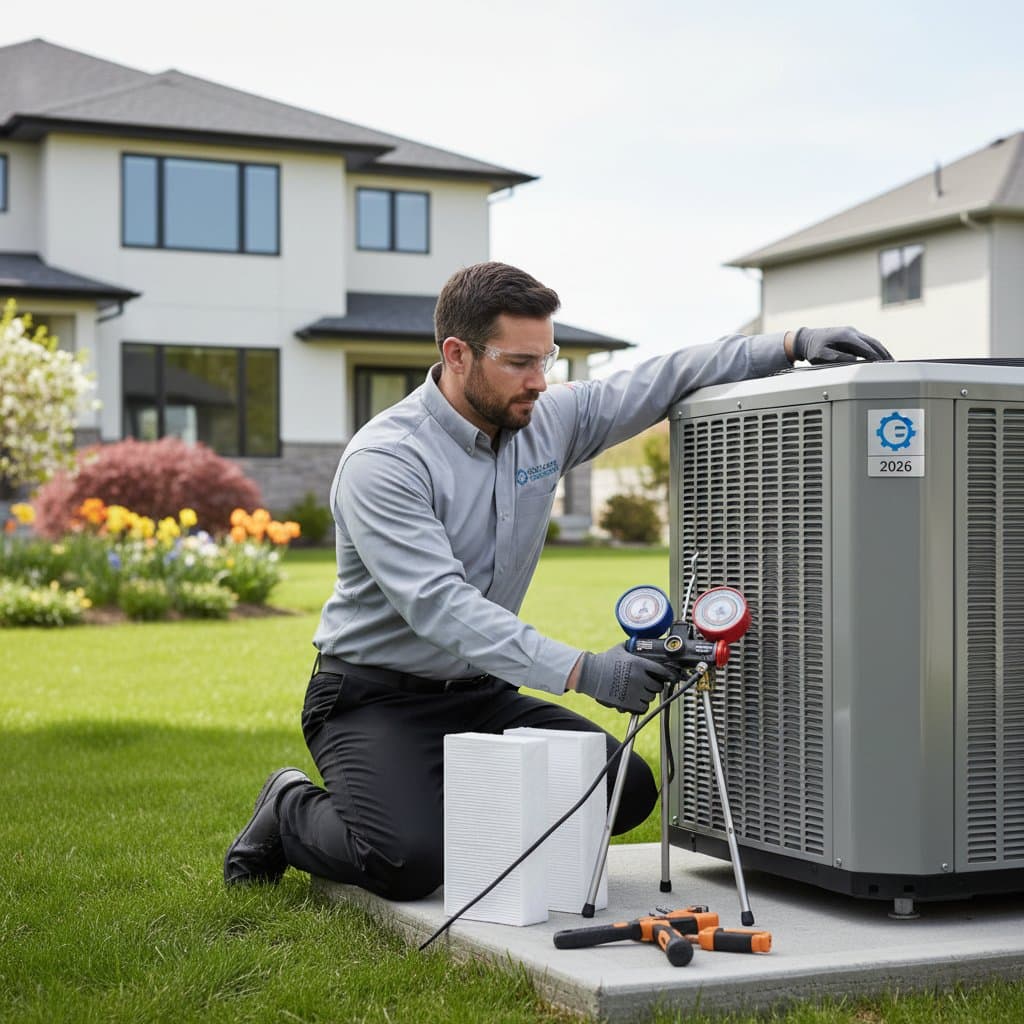
Preparing Your HVAC for Summer: Key Spring Checks
No homeowner wants to discover a malfunctioning air conditioner on the hottest day of the year. Spring provides a crucial period to verify that your HVAC system operates efficiently and reliably. Investing a few hours in maintenance now avoids discomfort and disruption later.
These seasonal inspections extend beyond mere comfort. They safeguard equipment, minimize energy consumption, and eliminate the need for urgent repairs during busy periods. Homeowners can perform basic tasks independently or schedule a professional service to address comprehensive needs.
The Importance of Spring HVAC Maintenance
HVAC systems face maximum strain during summer months. Failure to conduct spring inspections accelerates wear and reduces operational lifespan. For instance, a clogged filter or soiled coil compels the unit to operate longer, increasing energy demands and stressing vital parts.
Homeowners often detect cooling deficiencies only when temperatures soar, overlooking subtle indicators earlier in the season. Minor issues escalate rapidly without attention. An undetected refrigerant leak may lead to compressor damage, the costliest component repair in most setups.
Loose electrical connections pose additional risks, potentially causing circuit interruptions or motor failures. Addressing these concerns proactively in spring preserves thousands in potential expenses.
Actionable DIY Spring Checks
Homeowners can handle several essential inspections to maintain system performance. Begin by replacing or cleaning air filters, a task that improves airflow and efficiency. Inspect and clear debris from the outdoor condenser unit to ensure unobstructed operation.
Examine drain lines for blockages, as accumulated water can foster mold growth and reduce cooling capacity. Test thermostat functionality and calibrate settings for accuracy. Listen for unusual noises during operation, which may signal loose parts or bearing issues.
Visual checks of ductwork for leaks or damage help maintain consistent air distribution. These steps, performed systematically, enhance reliability without specialized tools.
Engaging Professional Services
While DIY efforts cover fundamentals, professional tune-ups provide thorough evaluations. Technicians measure refrigerant pressures and temperature differentials to detect imbalances. They assess motor current usage and scrutinize heat exchangers for structural flaws.
In-depth cleaning of internal coils and fans removes contaminants that evade basic maintenance. Verification of safety mechanisms and system alignment ensures optimal function. Such services cost between one hundred and two hundred dollars, depending on location and scope.
Many utility providers or warranty programs offer rebates for annual inspections. Retain service records and reports, as they bolster warranty applications and enhance property value during sales.
Evaluating Costs and Long-Term Benefits
Annual HVAC maintenance generally totals under three hundred dollars. In contrast, major repairs like compressor replacement surpass one thousand dollars in components alone. Consistent servicing extends equipment durability by five to ten years and lowers energy costs by up to fifteen percent.
For those considering home sales, maintenance documentation reassures potential buyers. A well-maintained, energy-efficient system demonstrates diligent care and supports a competitive listing price.
Timing and Best Practices for Ongoing Care
Schedule spring checks in March or April, before temperatures rise consistently. Mid-season reviews in June or July identify any developing problems early. Maintain a log documenting filter replacements, service visits, and observations.
Clean vent covers and return grilles monthly using a vacuum with a brush attachment. Avoid placing objects near the outdoor unit to preserve airflow and prevent moisture buildup. For systems over ten years old, request a professional efficiency evaluation to determine upgrade viability.
Sustaining Efficiency and Comfort Year-Round
Regular attention to your HVAC system yields enduring advantages. These practices not only avert summer disruptions but also promote a healthier indoor environment. By prioritizing maintenance, homeowners secure consistent performance, reduced expenses, and enhanced home value.