
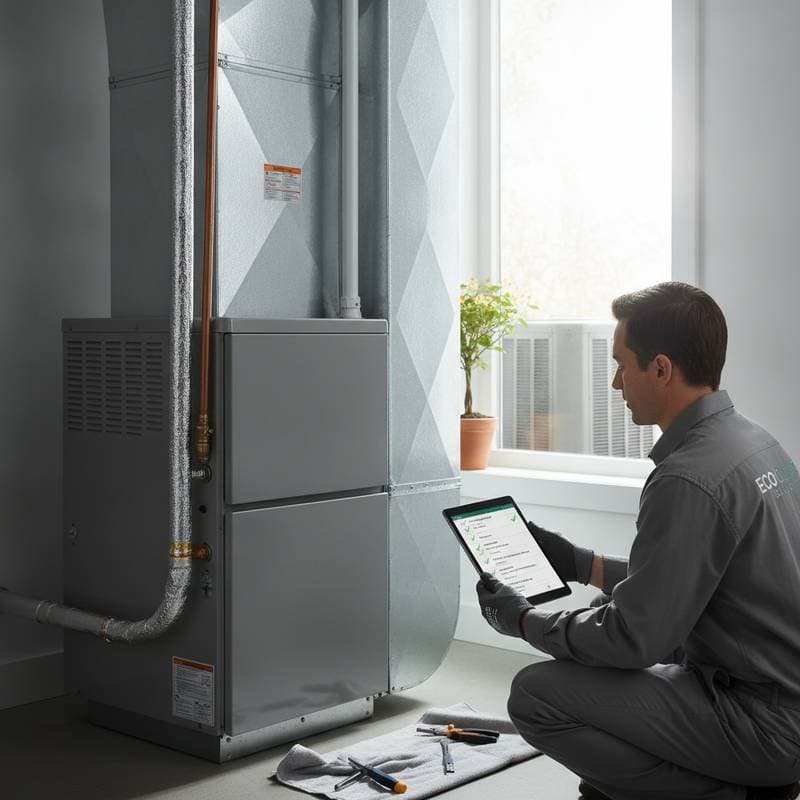
Spring HVAC Maintenance for Maximum Energy Savings
When the first warm breeze slips through an open window, it signals the change of seasons. It also marks the perfect time to give the HVAC system attention after months of heavy winter use. A well maintained system keeps a home comfortable while lowering energy bills and preventing costly breakdowns.
This guide presents a complete spring HVAC maintenance process for maximum energy savings. Homeowners learn to inspect, clean, and fine tune the system with professional precision while keeping safety and cost efficiency in mind.
The Spring HVAC Maintenance Framework
Spring HVAC care follows a three phase process of inspection, cleaning, and optimization. Each phase builds on the previous one to maximize performance and longevity.
Phase 1: Inspection
Assessment of the system condition comes before any hands on work. This step identifies visible issues and avoids unnecessary tasks.
Inspection Checklist:
- Thermostat function. Confirm that the thermostat responds accurately to temperature changes. An older model benefits from replacement with a programmable or smart unit for improved control.
- Outdoor unit condition. Check the condenser for damage, corrosion, or debris. Trim nearby plants to maintain at least two feet of clearance for proper airflow.
- Indoor components. Examine the blower compartment and evaporator coil area for dust and moisture. Visible rust or pooling water points to drainage or humidity problems.
- Ductwork. Inspect accessible ducts for gaps, loose connections, or dust streaks that indicate air leaks.
- Electrical connections. Listen for buzzing sounds or detect burned wiring odors. Faulty electrical components require a licensed technician.
A complete inspection takes about one hour for a homeowner. Professional service calls range from eighty to one hundred fifty dollars depending on the region.
Phase 2: Cleaning
Cleaning removes accumulated dirt that restricts airflow and reduces efficiency. This phase follows inspection and precedes optimization.
Cleaning Steps:
- Replace or clean filters. Swap disposable filters every one to three months during peak use. Wash reusable filters with mild detergent and allow them to dry fully before reinstallation.
- Clear the outdoor condenser coils. Use a soft brush or fin comb to remove debris. Spray coils with a garden hose on low pressure from the inside out to avoid bending fins.
- Vacuum the indoor blower and evaporator areas. Remove loose dust with a brush attachment. Avoid bending delicate fins on the evaporator coil.
- Clear the condensate drain line. Flush the line with a vinegar and water solution to prevent clogs and algae growth.
Phase 3: Optimization
Fine tuning follows cleaning to ensure consistent operation through the hottest months.
Optimization Steps:
- Seal duct leaks. Apply foil backed HVAC tape or mastic sealant to visible gaps. Proper sealing reduces energy loss substantially.
- Test airflow. Hold a piece of tissue near each vent to confirm steady movement. Weak airflow signals duct restrictions or a failing blower motor.
- Check refrigerant levels. Low refrigerant reduces cooling efficiency and indicates possible leaks. This task requires professional equipment and certification.
- Lubricate moving parts. Apply HVAC safe lubricant to motor bearings when the unit design allows it. Reduced friction prevents overheating.
- Calibrate thermostat settings. Set the thermostat to a moderate temperature and observe cycling. Correct calibration prevents short cycling that wastes energy.
Safety Considerations
HVAC maintenance involves electrical components and pressurized refrigerant. Always disconnect power before opening any panel. Wear gloves and eye protection during all tasks. Never attempt refrigerant recharging or electrical repairs without proper certification.
Unusual noises, burning smells, or repeated breaker trips require immediate shutdown and a call to a licensed technician. These symptoms often indicate internal faults that worsen if ignored.
Energy Efficiency Gains You Can Expect
A well maintained HVAC system reduces energy use by ten to twenty five percent. Combined with smart thermostat programming and sealed ducts, the savings reach hundreds of dollars per year. Additional benefits include cleaner indoor air, quieter operation, and a smaller environmental footprint. Homeowners often notice more consistent comfort with fewer hot spots or humidity fluctuations.
Sustained Performance and Savings
Regular spring maintenance extends equipment life and maintains peak efficiency across seasons. Consistent attention to filters, coils, and seals prevents small issues from becoming major repairs. Homeowners who follow this process enjoy reliable cooling and lower operating costs throughout the summer.