
Key Preparation Steps
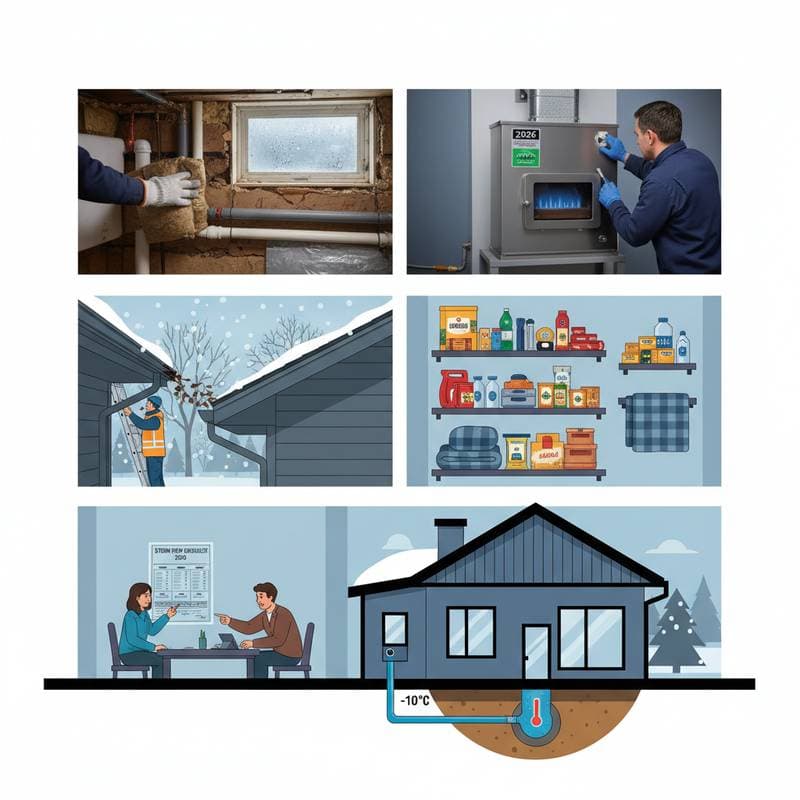
- Inspect heating systems early to avoid costly midseason failures
- Seal windows, doors, and attic spaces to reduce energy loss
- Prepare emergency power, lighting, and food supplies before severe weather hits
- Prevent ice dams with proper insulation and roof maintenance
- Protect plumbing with insulation and temperature monitoring
Assessing Your Home Cold Weather Defenses
Start preparation with a walk around the home. Pay attention to how it sounds, smells, and feels. Drafty windows, faint musty odors near the basement, or uneven warmth between rooms serve as early signs of inefficiency.
Test and Tune the Heating System
A professional inspection for a furnace or boiler costs between $100 and $300, depending on local rates and unit type. This small investment often prevents repairs that can exceed $1,000. Replace filters, check vents for blockages, and clean dust buildup around radiators. If a heat pump is in use, ensure its outdoor unit remains free of debris and snow access paths stay clear.
Consider installation of a smart thermostat to monitor energy use. Many models help maintain steady indoor temperatures while reducing bills by up to 10 percent.
Seal Air Leaks and Improve Insulation
Heat loss through small openings ranks among the largest drains on winter efficiency. Use a candle flame test along window and door frames to identify subtle air movement. Apply weatherstripping or caulk where needed.
Attic insulation should measure at least 10 to 14 inches thick for most regions. If joists remain visible, heat escapes. Adding insulation costs between $1.50 and $3 per square foot, yet it pays for itself quickly through lower energy use and improved comfort.
Protecting the Roof and Gutters
Ice buildup acts as a silent destroyer. It begins small and ends with heavy, frozen ridges that trap melting snow and force water beneath shingles.
Inspect and Clean Gutters
Before cold weather arrives, remove leaves and debris from gutters and downspouts. A blocked system increases the risk of ice dams forming. Use a gutter scoop or hire a professional cleaning service, which typically costs $100 to $250 for most homes.
Improve Attic Ventilation
Warm attic air that meets a cold roof surface causes melting and refreezing. Proper ventilation keeps temperatures consistent and prevents condensation. Ridge vents or soffit vents can help, and a professional evaluation costs around $150.
If the roof regularly develops ice dams, consider adding a heated roof cable system. Installation costs vary between $400 and $800, depending on roof size, and can save thousands in potential water damage.
Windows, Doors, and Flooring Comfort
Energy efficiency meets comfort in the details. Small adjustments around living spaces can dramatically influence how the home feels during long stretches of indoor time.
Window Treatments with Purpose
Thermal curtains or layered drapes can reduce heat loss by up to 25 percent. Keep them open during sunny hours to capture natural warmth and close them tightly after sunset to trap heat.
For older single-pane windows, consider shrink-film insulation kits. They cost less than $20 per window and create a nearly invisible barrier that cuts drafts significantly.
Warmth Underfoot
If floors feel cold, add area rugs or foam-backed mats in high-traffic zones. They provide insulation and comfort, especially on tile or hardwood surfaces. Underfloor heating mats can also be installed as a DIY weekend project for small spaces like bathrooms, costing around $150 to $300.
Practical Recommendations
Schedule maintenance before the first serious freeze. Service professionals become harder to book once storms begin. Keep receipts and photos of winter improvements. These can support insurance claims or boost resale value.
Choose insulation, sealants, and equipment with long warranties and high energy ratings. The upfront cost pays off over time. Never operate generators indoors or near open windows. Carbon monoxide buildup can occur quickly and without warning.
Ongoing Home Resilience
Once the home is fortified, the season shifts from anxious waiting to steady comfort. Monitoring systems stay active, filters receive regular replacement, and insulation receives reevaluation after any major weather event. Each year of preparation builds on the last to create a more resilient home.