
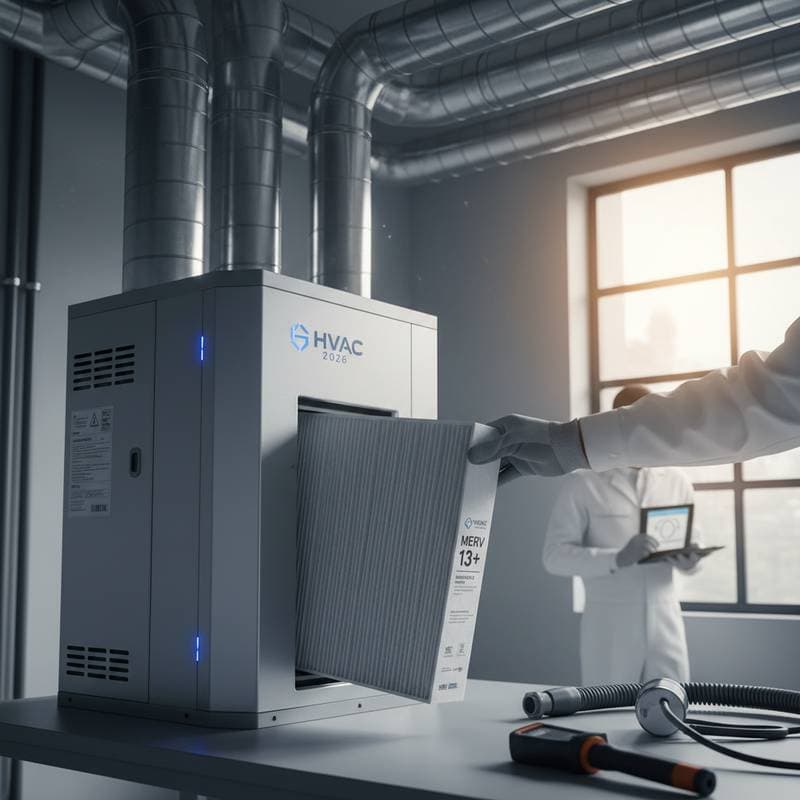
Meeting 2026 HVAC Filter Standards This Spring
The arrival of spring prompts many homeowners to assess their HVAC systems. Updated filter standards introduce stricter requirements for air quality and energy performance. Preparation now prevents compliance issues later.
Core Elements of the Updated Standards
New regulations emphasize the Minimum Efficiency Reporting Value rating system. Systems previously using MERV 8 or MERV 10 filters often require MERV 13 or higher models. These changes capture finer particles such as pollen, mold spores, and bacteria.
Higher ratings increase filtration but can restrict airflow if the system lacks capacity. Homeowners must match filter selection to equipment specifications and household conditions. Families managing allergies or pets gain particular advantages from the upgrade.
Filter Cost Ranges and Replacement Cycles
Budget planning starts with understanding current market prices.
- Basic pleated filters rated MERV 8 to 10 cost ten to fifteen dollars each.
- High efficiency options rated MERV 11 to 13 range from fifteen to thirty dollars each.
- Specialized HEPA or allergen models begin at thirty dollars and increase from there.
Most households replace filters every two to three months. Reusable electrostatic units reduce recurring expenses yet require regular cleaning.
Professional retrofits to support higher rated filters typically cost between one hundred fifty and four hundred dollars. These adjustments often involve blower speed modifications or return vent resizing.
Task Division Between Homeowners and Technicians
Filter changes represent a straightforward homeowner responsibility in most cases. System modifications demand professional evaluation to protect performance and safety.
Suitable Homeowner Actions
- Install replacement filters of standard dimensions.
- Clear debris from vents and return grilles.
- Inspect for visible dust accumulation.
- Track indoor conditions with portable air quality monitors.
Actions Requiring Technician Support
- Install filters exceeding original manufacturer ratings.
- Recalibrate blower motor speeds.
- Conduct static pressure measurements.
- Modify ductwork for improved balance.
Environmental Benefits of Compliance
Improved filtration reduces pollutant release into outdoor air. This outcome supports both household health and neighborhood air quality. Selection of low pressure drop filters maintains efficiency without excess energy consumption.
Washable electrostatic filters and replaceable media frames further decrease waste. These options extend service life while lowering replacement frequency.
Resolution of Typical Upgrade Challenges
Higher rated filters sometimes produce noticeable side effects. Weak airflow often improves after selecting one MERV level lower or after a technician measures system pressure.
Bowed or collapsed filters indicate excessive negative pressure. Rigid frame models or added reinforcement correct this condition. Homes with pets or recent construction require monthly inspections rather than quarterly checks.
Unusual noise frequently results from gaps around the filter housing. Proper seating eliminates bypass and restores quiet operation.
Integration into Household Routines
Consistent filter management sustains the gains achieved through upgrades. Homeowners benefit from setting calendar reminders at sixty to ninety day intervals. Keeping spare filters available prevents delays.
Systems operating with clean filters achieve up to twenty percent greater efficiency. This performance level reduces utility costs and extends equipment life.
Long Term System Preservation
Initial compliance represents only the starting point. Ongoing attention to filter condition and system balance protects the investment. Seasonal checks combined with professional tune ups maintain both air quality and operational economy throughout the year.