
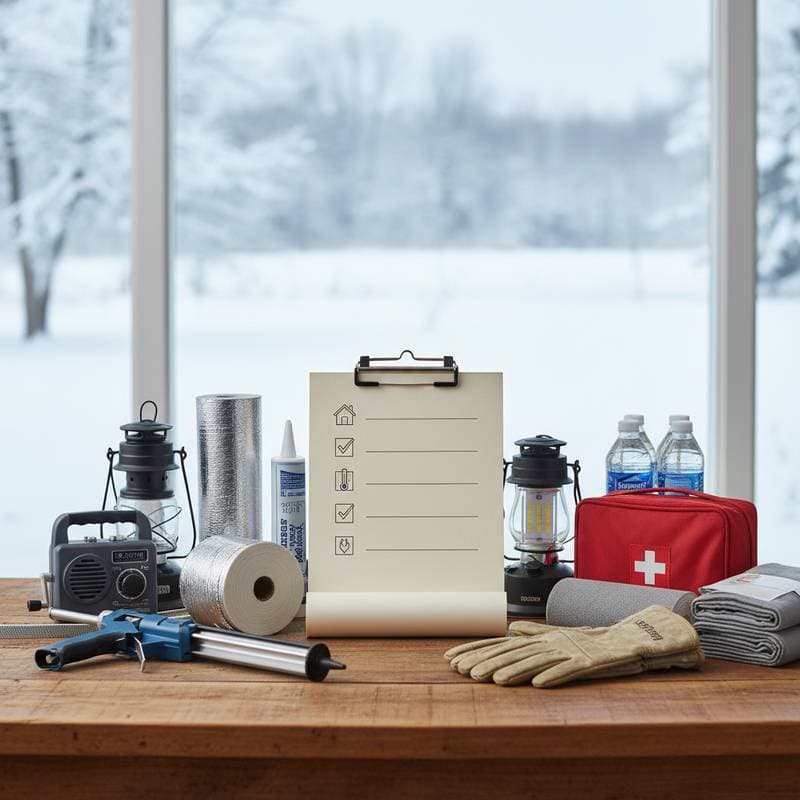
Winter Storm Prep Checklist Every Homeowner Needs
If you have ever lost power during a snowstorm, you know the sinking feeling that comes when the lights flicker and the house starts to chill. Winter storms can arrive fast, sometimes overnight. Being unprepared can turn a cozy weekend into a stressful scramble. With a clear plan, some affordable upgrades, and a little organization, you can keep your home safe, warm, and functional no matter what the weather brings.
Start With the Essentials: Heat, Light, and Power
Your main priority during a winter storm is maintaining warmth and basic comfort. Before the first flakes fall, check that your heating system is in good shape. Schedule a quick tune-up and replace filters. If you use a fireplace or wood stove, clean the chimney and stock up on dry firewood.
Backup heat sources include portable propane heaters that cost 80 to 200 dollars, electric space heaters that cost 40 to 120 dollars, and firewood that costs 60 to 150 dollars per cord. Always follow safety guidelines. Keep heaters clear of curtains and furniture. Ensure proper ventilation. For lighting, keep several flashlights and a battery-powered lantern in each major room. Rechargeable LED lanterns typically cost around 25 dollars and can run for up to ten hours.
If you live in an area prone to outages, consider investing in a generator. A small portable model runs about 400 to 900 dollars. A whole-house version costs several thousand dollars but can power everything from your furnace to your fridge.
Protect Pipes and Water Supply
Frozen pipes can burst and lead to expensive repairs. Insulate exposed pipes in basements, attics, and crawl spaces using foam sleeves or heat tape. These materials typically cost 1 to 3 dollars per foot and can make a huge difference in preventing damage. Let faucets drip slightly during extreme cold to keep water moving and reduce pressure buildup.
If you rely on well water, store extra containers in case the pump loses power. Five gallons per person is a good benchmark for drinking and basic washing.
Secure Windows, Doors, and Roofs
Heat loss through poorly sealed windows and doors can quickly raise your energy bill. Apply weather stripping, caulk gaps, and add draft stoppers along thresholds. A roll of weather stripping costs around 10 dollars and can save hundreds in heating costs over the season.
Inspect your roof for loose shingles, damaged flashing, or clogged gutters. Clear gutters help prevent ice dams that can cause water to back up under shingles. A roof rake, costing 40 to 70 dollars, is a great tool for safely removing heavy snow without climbing a ladder.
Stock Up on Supplies Before the Storm
Create a dedicated storm kit that is easy to grab when the forecast looks rough. Include bottled water and nonperishable food for three days, extra blankets and warm clothing, a first-aid kit and prescription medications, plus batteries, matches, and a manual can opener. Store pet food, diapers, and other personal essentials too. Keeping everything in one waterproof bin saves frustration when power or water is limited.
Maintain Readiness Year Round
Once your home is set up for winter resilience, upkeep becomes simple. Replace flashlight batteries every few months. Refresh stored water. Rotate pantry items. If you are new to cold weather prep, start small. Each improvement, from sealing one window to adding one backup heater, builds confidence and safety. You will rest easier knowing you are ready for whatever the season brings.