
4. Plumbing and Drain Maintenance
As the spring thaw progresses, it frequently uncovers concealed leaks in outdoor faucets or beneath crawl spaces. Begin by activating each outdoor spigot gradually while observing for any drips or irregular flow. For indoor drains, introduce one cup of baking soda into each fixture, followed immediately by an equal measure of white vinegar; allow the mixture to fizz for several minutes before rinsing thoroughly with scalding water. This natural method effectively dissolves buildup and grease, thereby forestalling sluggish drainage and the need for professional intervention, which often incurs fees beginning at $150 per service call.
Examine all visible pipes for signs of corrosion or insulation wear, particularly in unheated areas like garages or basements. Tighten loose connections on supply lines to faucets and toilets, using plumber's tape if necessary to ensure a secure seal. Schedule an annual inspection for your water heater, flushing sediment from the tank to maintain optimal performance and extend its lifespan beyond the typical 10 to 15 years.
Upgrade Option: Consider installing low-flow aerators on faucets and water-efficient showerheads throughout the household. These fixtures reduce water usage by up to 30 percent without compromising pressure, and the initial outlay recoups through lower utility bills within two to three payment periods. Select models certified for durability to maximize long-term benefits.
5. Lawn and Garden Systems
Evaluate your irrigation system meticulously for damaged sprinkler heads or inconsistent coverage patterns. Even a minor leak in one component can squander hundreds of gallons of water each week, inflating bills and promoting soil erosion. Repair or replace fractured hoses promptly, and recalibrate automatic timers to align with the moderate watering demands of early spring growth. Apply a layer of organic mulch across garden beds to conserve soil moisture, suppress weed germination, and enrich the earth as it decomposes; budget approximately $40 to $60 for materials sufficient for an average-sized yard.
Assess the condition of your lawn by walking its surface to identify bare patches, thatch accumulation, or pest activity from winter dormancy. Rake away debris such as fallen branches or matted leaves to facilitate air circulation and sunlight penetration. Test soil pH levels using a simple kit available at garden centers, adjusting with lime or sulfur as needed to create an environment conducive to robust turf development.
Seasonal Tip: Perform core aeration on compacted soil prior to any reseeding efforts. This process involves extracting small plugs of earth to alleviate compression, allowing roots to access oxygen, nutrients, and water more effectively. Stronger root systems not only yield a denser lawn but also mitigate surface runoff, which might otherwise undermine your home's foundation stability over successive rainy seasons.
Incorporate rain barrels or soaker hoses into your setup to capture and redistribute rainwater efficiently. Position these near downspouts or garden edges, ensuring they connect securely to avoid overflow issues. Such practices promote sustainable landscaping while reducing reliance on municipal water supplies during peak usage months.
Sustaining Your Home's Resilience Year-Round
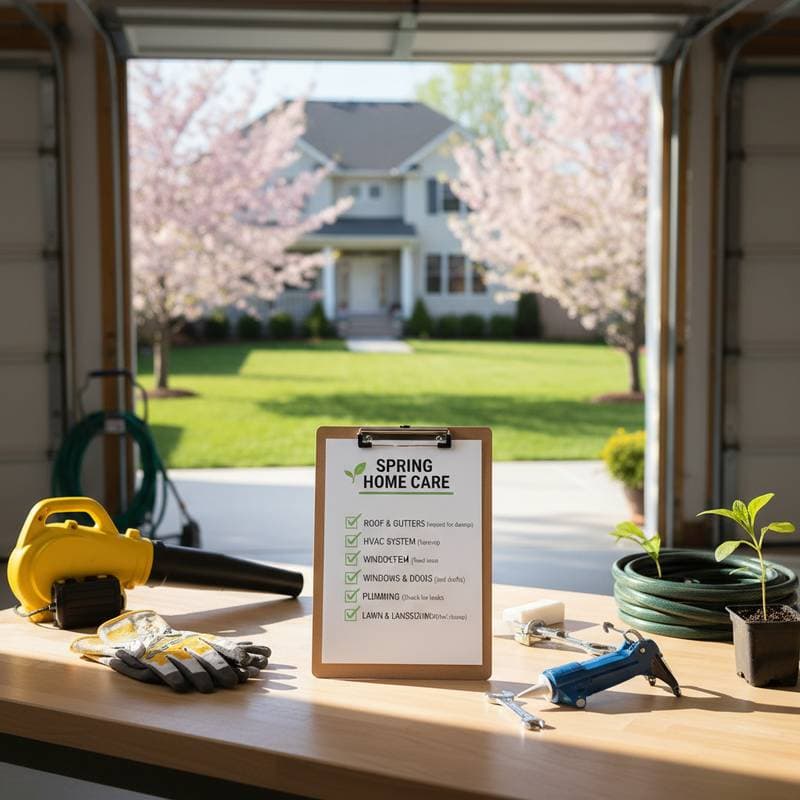
Maintain this maintenance outline in an accessible location, prioritizing tasks based on your property's specific vulnerabilities and local climate patterns. Dedicate a few hours annually to these preventive measures, and observe how they prolong the durability of critical components like your roof, heating and cooling units, and piping infrastructure. Regular upkeep enhances aesthetic appeal from the exterior, fostering a welcoming curb presence that elevates neighborhood standards.
Track seasonal changes by noting completion dates for each item, adjusting frequencies as your home ages or environmental conditions shift. Engage family members in the process to build collective responsibility and impart practical skills for future property management. Over time, this disciplined approach accumulates tangible equity in your residence, rendering unexpected repair expenses more foreseeable and less burdensome.
Reflect on the broader advantages: optimized systems translate to reduced energy consumption, lower insurance premiums due to minimized risk profiles, and heightened personal satisfaction in a well-cared-for living space. As you complete these steps, anticipate greater assurance in overseeing your domain with professional acumen, prepared to withstand summer storms, autumn winds, or winter freezes with minimal disruption.