
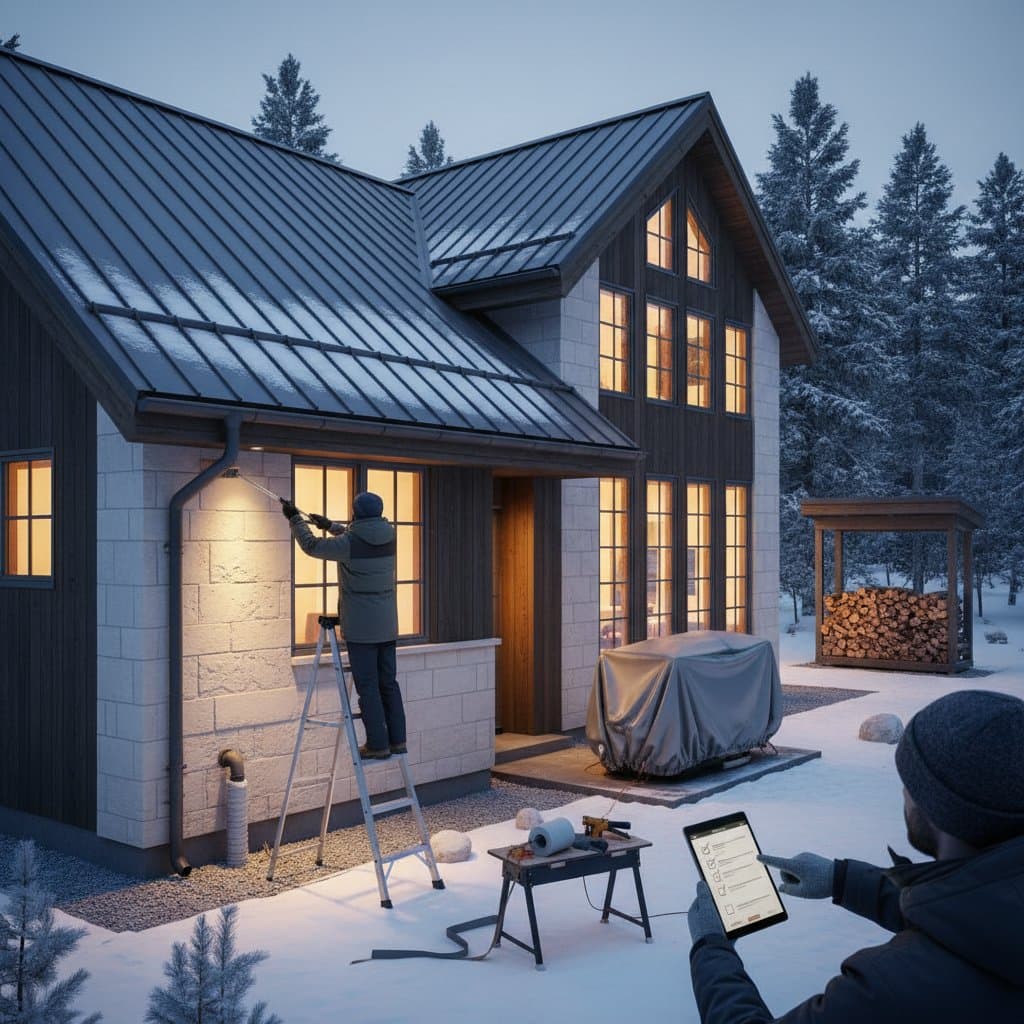
Safeguard Your Home from Winter Storms: Essential Preparation Steps
Snow arrives abruptly, shifting from autumn scenery to urgent concerns about frozen pipes and structural integrity. Winter storms transform serene nights into potential crises without adequate readiness. With strategic planning and targeted efforts over a few weekends, homeowners convert weaknesses into robust defenses.
Assess Winter Demands on Home Structures
Winter storms deliver more than snow; they include freezing rain, fierce winds, and prolonged subzero temperatures that strain all building components. Roofs, insulation, plumbing, and exterior features determine resilience against these elements. View preparation as interconnected enhancements that sustain comfort and uphold property worth.
Reinforce Roof and Gutter Systems
Roofs endure the primary assault from winter elements. Inspect for damaged or absent shingles and check flashing for secure attachment. Engage a roofing specialist for evaluation, which typically ranges from $150 to $400; this investment averts costly damage from snowmelt infiltration exceeding thousands in repairs.
Clear gutters of debris and position downspouts to channel water at least five feet from the foundation. Ice dams develop when blockages trap melting snow, forcing water under shingles and into attics. Install heat cables along roof eaves or increase attic insulation to mitigate these formations effectively.
Shield Pipes and Plumbing Infrastructure
Frozen pipes represent a common yet preventable winter hazard. Exposed lines in garages, crawl spaces, or outer walls face the greatest threat. Apply foam insulation sleeves, priced under one dollar per foot, to avert ruptures and associated expenses.
For vulnerable exterior pipes, apply heat tape for supplementary safeguarding. During severe cold, allow faucets to drip slowly and open under-sink cabinet doors to promote air circulation. In homes with dated plumbing, install smart leak detectors that notify via mobile alert upon moisture detection, enabling swift intervention to prevent escalation to flooding.
Eliminate Air Leaks and Enhance Insulation
Air infiltration causes discomfort and elevates energy costs. On a windy day, identify cold areas around windows, doors, and electrical outlets by touch. Apply caulk to cracks and install weatherstripping to cut heat loss by as much as 20 percent.
Attic upgrades yield significant benefits for warmth and utility bills. Options like fiberglass batts or blown-in cellulose cost $1 to $2 per square foot when professionally installed. For older single-pane windows, use plastic film kits to form a thermal barrier; these provide immediate relief without replacement expenses. Long-term, double-pane energy-efficient windows recoup costs through heating savings in several years.
Ready for Potential Power Outages
Accumulated snow and ice frequently disrupt power lines. Establish a contingency for maintaining safety and operations during blackouts. Portable generators begin at $400, while whole-home standby units start near $2,000; equip either with carbon monoxide alarms and operate only outdoors, away from enclosed spaces.
Assemble supplies including flashlights, batteries, bottled water, and shelf-stable foods for at least 72 hours. Indoor-safe propane heaters offer supplemental warmth in emergencies, provided users adhere strictly to manufacturer guidelines. Households relying on power-dependent medical equipment should inquire with utility services about expedited restoration protocols.
Service and Optimize Heating Systems
Heating equipment must perform reliably through winter demands. Schedule professional servicing prior to cold weather to verify clean filters, burners, and vents. Such visits, costing $100 to $200, prolong system longevity by years and ensure efficient operation.
Examine older furnaces for cracks or rust that could permit carbon monoxide leakage. Install or test detectors in key areas to monitor air quality. Regular upkeep prevents breakdowns and maintains consistent indoor temperatures.
Fortify Outdoor Spaces
Exposed outdoor items risk becoming hazards in high winds. Secure or store lightweight furniture, grills, and decorations in sheltered locations like sheds or garages. Anchor heavy objects with secure tarps designed for harsh weather.
Prune branches overhanging roofs or utility lines to reduce collapse risks under ice loads. Clear debris from walkways and driveways to facilitate safe access during storms. These measures protect both property and occupants from wind-related incidents.
Develop Family Emergency Protocols
Effective communication proves crucial amid extreme weather. Ensure all household members understand locations of emergency supplies, procedures for shutting off water mains, and contact protocols for separation scenarios. Designate a central meeting point and review plans annually.
Incorporate local alert systems into routines, such as signing up for weather notifications. Practice drills to build confidence in responses. This preparation fosters calm and coordinated actions during disruptions.
Advanced Strategies for Effective Preparation
Complete inspections and installations before initial freezes to sidestep hazardous work conditions. Integrate multiple upgrades, like insulation with sealing, to optimize time and expenses. Select sustainable materials, including cellulose insulation and LED-powered emergency lights, to lessen ecological footprint.
Document pre-winter home conditions through photographs for insurance purposes. Track maintenance schedules in a dedicated log to sustain long-term vigilance. These habits amplify preparation outcomes.
Build Lasting Home Resilience
Winter readiness extends beyond seasonal survival; it fortifies overall durability and curbs future expenses. Investments in protection yield sustained efficiency and security. The comfort experienced amid falling snow stems from a fortified home, equipped to handle impending weather challenges with assurance.