
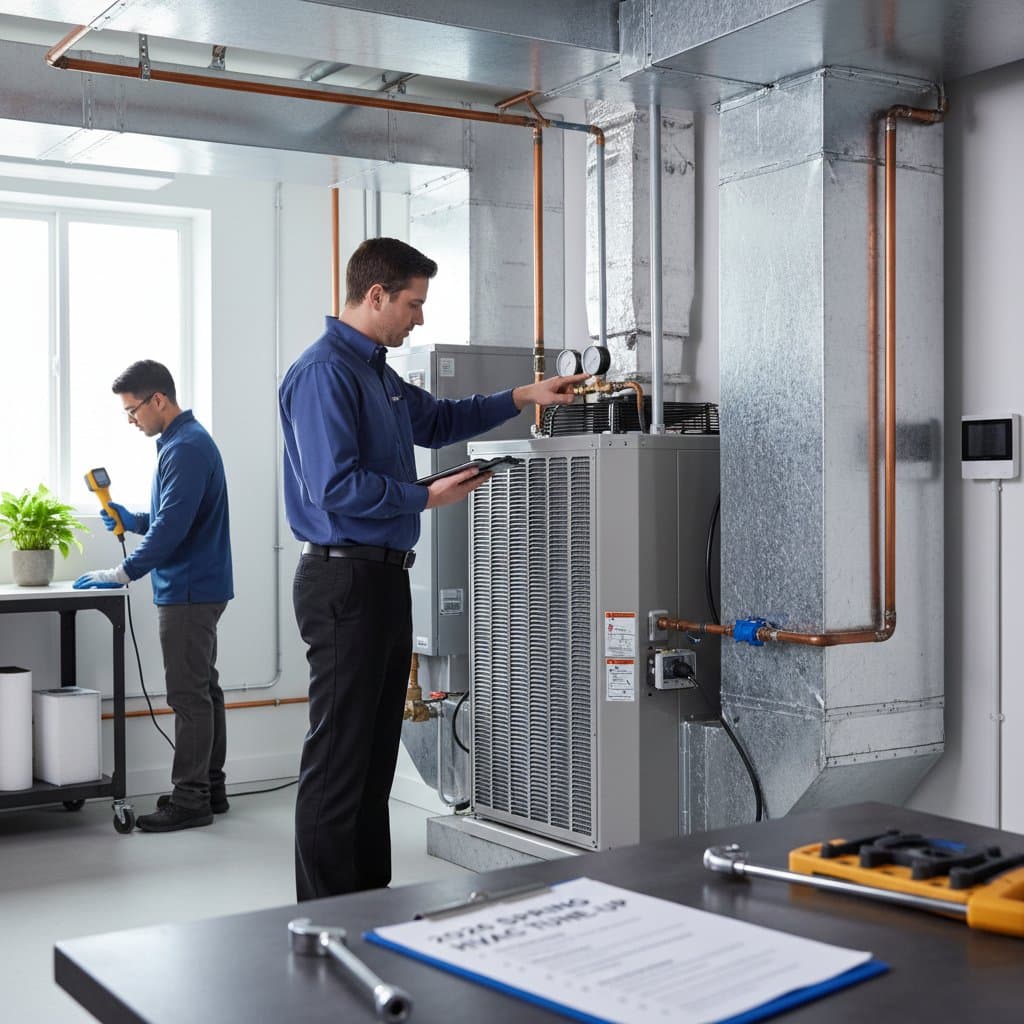
Optimize Your HVAC System This Spring for Maximum Efficiency
As warmer temperatures approach, homeowners often focus on exterior tasks and refreshing indoor areas. However, one of the most effective improvements occurs indoors: fine-tuning your heating, ventilation, and air conditioning system. A properly maintained HVAC setup delivers consistent comfort, lowers energy consumption, enhances indoor air quality, and prolongs the lifespan of your equipment. If energy bills rise unexpectedly during seasonal shifts or if some rooms maintain uneven temperatures, spring serves as the optimal time for a thorough reset.
This guide presents a structured approach to HVAC maintenance, emphasizing practical steps and tangible results. Upon completion, readers will possess a detailed checklist, accurate cost estimates, and guidance on determining when professional intervention proves necessary.
The Framework for Spring HVAC Maintenance
Achieving superior performance requires a systematic process divided into three distinct phases: inspection, optimization, and calibration.
1. Inspection Phase
Begin with a comprehensive evaluation of the entire system. This initial assessment typically requires approximately two hours and utilizes simple tools such as a screwdriver, vacuum cleaner, and flashlight.
Essential inspection areas include:
- Air filters: Replace or clean filters every one to three months, adjusted for household dust accumulation and pet presence. Replacement filters range in price from $10 to $40, varying by material and dimensions.
- Outdoor condenser unit: Remove debris such as leaves, branches, and soil from a two-foot perimeter around the unit. Inspect the fins for bends or blockages, straightening any damaged sections gently with a fin comb if available.
- Indoor vents and registers: Vacuum accumulated dust and confirm that no furniture or rugs obstruct airflow paths.
- Thermostat verification: Compare the displayed temperature against an independent thermometer. A discrepancy exceeding two degrees suggests the need for recalibration or a new unit.
2. Optimization Phase
After cleaning the system, proceed to adjust key elements that influence airflow and energy use.
- Seal ductwork leaks: Minor gaps can lead to the loss of up to 30 percent of cooled or heated air. Apply UL-listed foil tape or mastic sealant for durable repairs, avoiding ordinary duct tape which deteriorates over time.
- Insulate accessible ducts: In areas without climate control, such as attics or crawl spaces, encase ducts with materials providing an R-value of 6 or greater to minimize heat transfer.
- Examine refrigerant lines: Identify any fractures or absent insulation covers, as these elements can diminish cooling effectiveness and increase operational strain.
- Install a smart thermostat: Models with programmable or intelligent features can decrease cooling expenses by 10 to 15 percent through precise scheduling and remote adjustments.
3. Calibration Phase
Finalize the process by verifying that the system operates within its intended specifications, preventing excessive wear.
- Assess system cycling: Activate the air conditioning and monitor the duration required to achieve the desired temperature. Frequent short cycles may indicate insufficient refrigerant levels or restricted airflow, warranting further diagnosis.
- Evaluate temperature differential: Supply air from vents should measure 15 to 20 degrees Fahrenheit cooler than the return air intake, confirming proper heat exchange.
- Detect abnormal noises: Sounds like rattling or grinding typically arise from unsecured components or deteriorating bearings; inspect and secure as needed.
- Arrange professional tune-up: Despite personal efforts, an annual visit from a certified HVAC specialist remains essential. Standard service fees fall between $100 and $200, including a full diagnostic review.
Addressing Frequent HVAC Challenges
Routine maintenance mitigates many issues, yet problems can emerge during seasonal transitions. Below are prevalent concerns in spring, along with targeted solutions.
- Inconsistent cooling across rooms: Inspect for obstructed vents or impeding furniture. Persistent variations exceeding five degrees may require professional duct balancing or the installation of zoning systems to distribute air evenly.
- Elevated indoor humidity: Thoroughly clean the evaporator coil and ensure the condensate drain remains unobstructed. Ongoing high moisture levels might necessitate a whole-home dehumidifier to maintain comfortable relative humidity between 30 and 50 percent.
- Unpleasant odors: Musty scents frequently originate from mold growth in the drain pan or ducts. Prepare a solution of one cup vinegar mixed with one gallon of water to flush the condensate line; persistent issues demand expert mold remediation.
- Excessive noise during operation: Vibration in the outdoor condenser often results from loosened mounting bolts. Tighten bolts uniformly and install a rubber isolation pad beneath the unit to dampen vibrations effectively.
Timing Considerations and Regional Adaptations
Plan HVAC maintenance two to four weeks prior to sustained warm weather in most locations. Residents in humid regions should prioritize dehumidification components and ensure condensate lines drain efficiently to prevent water buildup. In dry areas, select filters engineered to trap fine particulate matter without impeding system performance. For pollen-heavy environments, opt for filters with MERV ratings of 8 to 11, balancing air purification with adequate airflow to avoid straining the blower motor.
Expert Recommendations for Long-Term Results
- Inscribe the installation date on the frame of each new air filter to track replacement intervals accurately.
- Maintain a detailed log documenting service dates, replaced components, and observations from technicians; this record aids in troubleshooting patterns and enhances property value during sales.
- Incorporate ceiling fans to facilitate better air movement and lessen the demand on your cooling system. Position fans to rotate counterclockwise during warmer months to push air downward, creating a wind-chill effect.
- Routinely prune shrubs and plants encircling outdoor units, preserving a minimum two-foot clearance to support unrestricted airflow and prevent overheating.
Sustaining Efficiency Through Proactive Care
Your HVAC system represents a significant home investment, yielding benefits only through diligent upkeep. Annual spring tune-ups preserve operational efficiency, promote healthier air circulation, and stabilize utility expenses. Integrate this maintenance into your seasonal tasks, alongside activities like gutter cleaning or detector testing, to avoid unexpected failures.
Consistent application of these strategies ensures smoother performance, superior air purity, and reliable comfort amid rising temperatures. Implement this spring protocol to foster a more efficient, comfortable living space that conserves resources daily.