
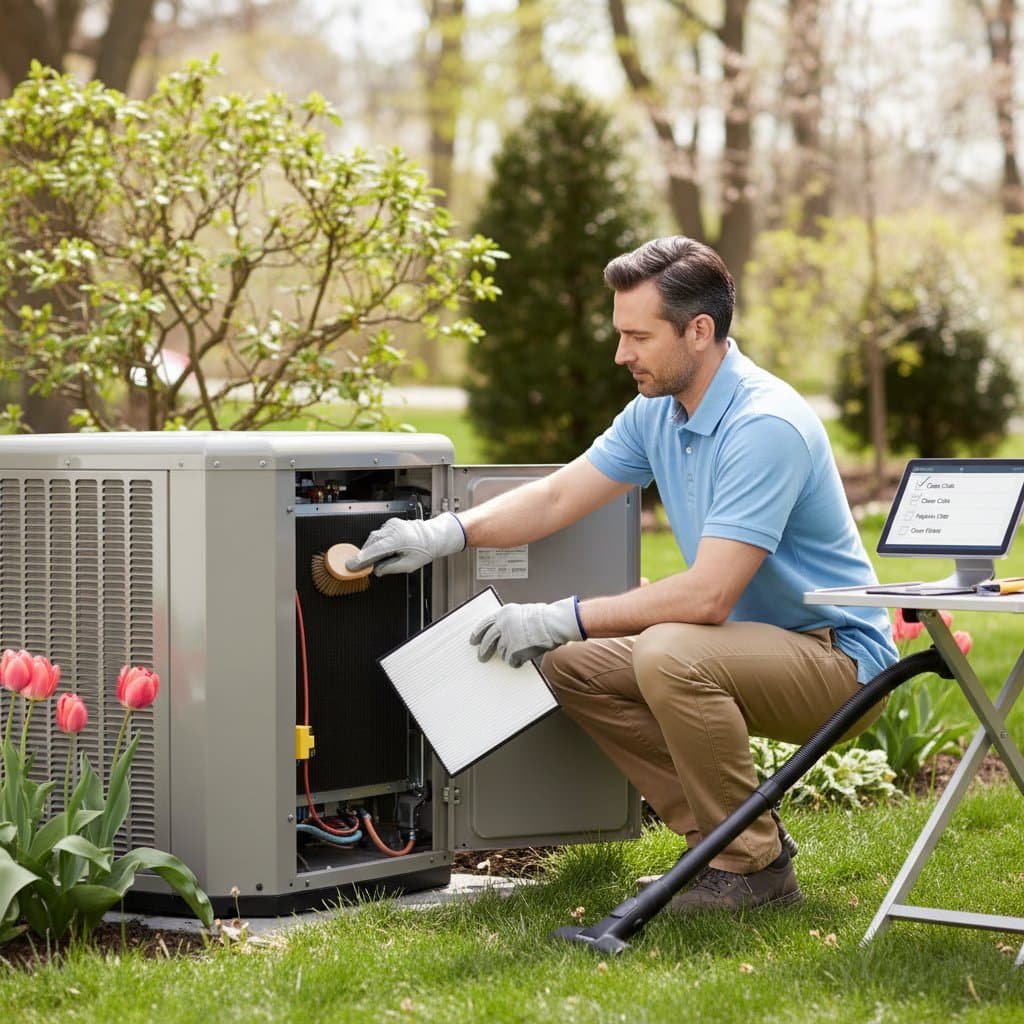
Benefits of Spring Preparation for Heat Pump Longevity
Heat pumps endure significant stress during winter months, which can lead to reduced performance if not addressed. The transition to spring provides an ideal opportunity to perform maintenance that restores optimal function. This preparation not only extends the equipment's lifespan but also ensures consistent comfort and reduces operational expenses throughout the year.
Investing time in spring tasks yields long-term rewards. Homeowners often overlook these routines, yet they represent a proactive approach to system care. By focusing on key areas, individuals can avoid premature failures and maintain peak performance.
Essential Advantages
- Regular spring servicing can increase heat pump longevity by as much as ten years.
- Professional inspections typically cost between $150 and $350, while DIY efforts range from $40 to $100.
- Actions like coil cleaning and filter checks preserve efficiency and prevent strain.
- Early intervention minimizes the likelihood of costly disruptions during summer or winter.
Spring preparation serves as a foundational step in equipment management. It addresses wear accumulated over colder periods and prepares the system for warmer demands. This practice ultimately safeguards one of the home's primary energy consumers.
Core Functions of Spring Maintenance
Spring routines go beyond surface cleaning to recalibrate the entire system for optimal operation. Proper execution targets efficiency restoration and problem prevention. These efforts align with three primary objectives:
- Safeguard the compressor, the costliest component to repair or replace.
- Enhance energy utilization to decrease utility expenses.
- Identify minor issues before they develop into major malfunctions.
A comprehensive tune-up involves systematic checks and adjustments. Technicians or informed homeowners follow a structured sequence to ensure thorough coverage. This methodical process maximizes reliability and performance.
1. Cleaning and Examining Coils
Coils in both indoor and outdoor units facilitate heat transfer. Accumulated dirt forces the system to operate longer for equivalent results. Apply a soft brush or specialized cleaning solution to eliminate buildup, then inspect for damage.
Bent fins reduce airflow and efficiency. Use a fin comb to realign them carefully, avoiding further distortion. Such maintenance can boost performance by 10 to 20 percent, directly impacting energy consumption.
Regular coil care prevents overheating and extends component life. Homeowners should schedule this annually, particularly after pollen-heavy seasons. Visual inspections reveal early signs of corrosion or wear.
2. Replacing or Cleaning Air Filters
Filters capture airborne particles, protecting internal mechanisms from contamination. Clogged units restrict airflow, increasing motor workload. Opt for replacements every one to three months, or clean reusable types as needed.
During spring preparation, install a fresh filter aligned with the manufacturer's specifications for airflow. This adjustment eases fan operation and enhances air quality within the home. Neglect here accelerates overall system degradation.
Selecting the correct filter size and type ensures compatibility. Track replacement dates to maintain consistency. Cleaner air benefits health and reduces allergen circulation.
3. Clearing the Outdoor Unit Area
Debris such as leaves and clippings accumulates around the condenser, obstructing ventilation. Maintain a minimum two-foot clearance on all sides to promote unrestricted airflow. Trim surrounding vegetation and remove ground litter.
Verify the unit's level positioning on its base. Imbalances generate vibrations that stress connections and lines. Secure adjustments prevent long-term structural issues.
Seasonal clearing protects against efficiency losses. In debris-prone areas, inspect monthly during growth periods. This vigilance supports stable operation year-round.
4. Verifying Refrigerant Levels
Insufficient refrigerant impairs cooling and heating capacity, causing extended run times. Indicators include frost formation or unusual sounds from the unit. Professionals assess pressure levels and detect leaks during inspections.
Recharging requires certified handling to comply with safety standards. Address low levels promptly to avoid compressor damage. Routine checks maintain balanced system pressures.
Homeowners monitor for symptoms but defer adjustments to experts. Annual professional evaluations ensure compliance and optimal charge. This step preserves refrigerant integrity over time.
5. Evaluating the Thermostat
The thermostat regulates system activation and temperature control. Test accuracy and replace batteries during spring routines to prevent malfunctions. Upgrading to a programmable model optimizes cycles and reduces unnecessary operation.
Calibration ensures precise readings, avoiding overworking the heat pump. Smart versions adapt to occupancy patterns, minimizing wear. Integration with home automation enhances convenience.
Thermostat maintenance supports energy savings. Position units away from drafts or heat sources for reliable sensing. Regular testing confirms seamless communication with the system.
Significance of Spring Timing
Moderate spring temperatures facilitate safe system shutdowns for maintenance without indoor disruptions. Heat pumps exchange heat with ambient air, making transitional weather optimal for adjustments. This period avoids peak demand stresses.
HVAC services experience lower volumes in spring, enabling quicker appointments and competitive pricing. Delaying until summer risks delays and premium rates during emergencies. Proactive scheduling aligns with professional availability.
Technically, pre-summer preparation stabilizes components against heat-related pressures. Clean elements handle increased loads efficiently, reducing failure risks. This timing optimizes performance transitions between seasons.
Indicators for Professional Assistance
DIY methods suffice for basic tasks, yet complex issues demand expert intervention. Contact a licensed technician upon observing these symptoms:
- Inconsistent temperatures in different rooms
- Abnormal sounds such as rattling or hissing
- Frost accumulation on coils or refrigerant lines
- Unexpected increases in energy consumption
- Frequent short cycling or temperature maintenance difficulties
Experts conduct electrical tests, including voltage and amperage measurements, alongside refrigerant verification. They detect subtle wear in motors or compressors invisible to novices. Professional diagnostics prevent escalation.
Scheduling builds in comprehensive assessments. Certifications ensure adherence to industry standards. Early professional input extends system reliability.
Adapting Maintenance to Regional Factors
Local conditions influence routine specifics. Coastal residents combat salt-induced corrosion by rinsing outdoor units with fresh water periodically. Pollen-rich areas require more frequent filter changes during bloom seasons.
In cold climates, confirm defrost mechanisms function before autumn. Storm-frequent regions benefit from securing units with straps or enclosures against wind damage. Consult local codes for installation guidelines.
Tailored approaches enhance effectiveness. Document regional challenges in maintenance logs. Adaptations ensure resilience against environmental stressors.
Strategies for Sustained Heat Pump Performance
Consistent care transforms initial investments into enduring assets. Integrate spring routines into annual calendars alongside seasonal checks. Track performance metrics to gauge maintenance impacts.
Educate household members on basic monitoring to catch issues early. Budget for professional services to maintain warranty compliance. These habits secure comfort and efficiency for years ahead.
Long-term vigilance pays dividends in reliability and savings. View maintenance as ongoing stewardship rather than periodic chores. This mindset fosters a resilient home environment.