
Streamline Spring Cleaning with Smart Home Automation
Spring brings the urge to refresh living spaces after winter. Sunlight highlights accumulated dust, and the list of tasks expands quickly. Smart home technology transforms this annual ritual into an efficient process. Devices coordinate to handle repetitive work, allowing focus on enjoyable aspects of home care.
Essential Strategies for Automation
- Deploy connected systems to manage HVAC, lighting, and irrigation for seasonal maintenance.
- Install smart sensors that identify issues early and prevent costly repairs.
- Utilize voice commands and mobile apps to schedule cleaning and upkeep routines.
- Combine automated features with manual efforts for optimal results.
Initiate with Device Maintenance
A thorough reset prepares smart systems for spring demands. Begin by accessing the central hub or app to apply firmware updates. These enhancements often include algorithms tailored to warmer weather patterns, improving overall performance.
Next, remove dust from sensors, particularly those in high-traffic areas like thermostats and motion detectors. Accumulated particles can skew data, leading to inaccurate automations. For example, a thermostat positioned near a window might register incorrect temperatures if sunlight patterns shift with seasonal changes.
Test integrated safety devices during this phase. Use the app to verify that smoke and carbon monoxide detectors send notifications to mobile devices. Such checks ensure reliable protection throughout the year.
Automate Indoor Cleaning Routines
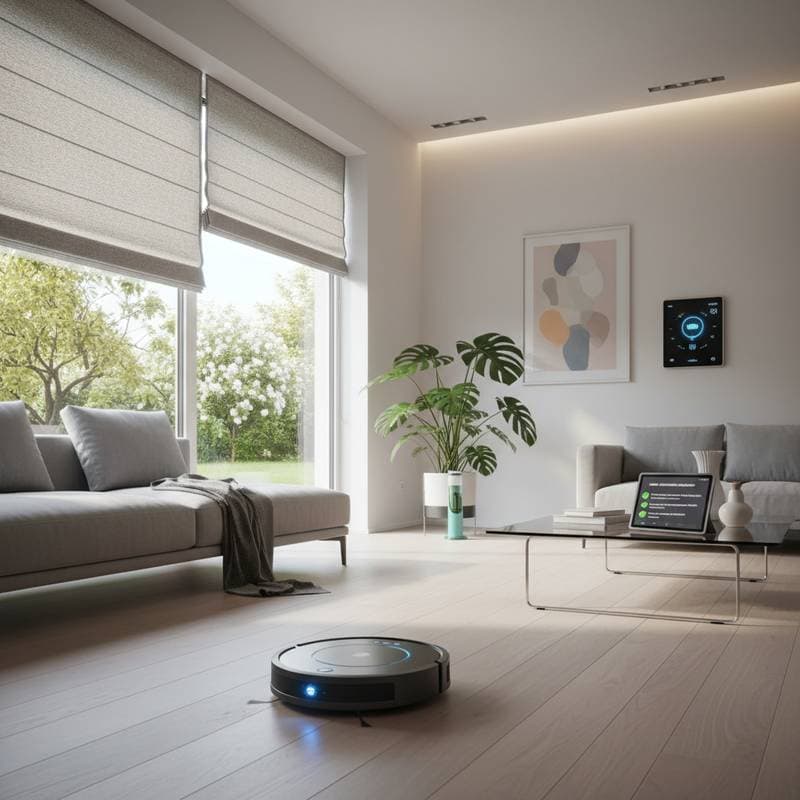
Achieving a spotless interior requires less effort with coordinated smart tools. Initiate a fresh mapping cycle on robot vacuums to account for rearranged furniture. Advanced models connect to voice assistants, enabling zone-specific commands for targeted cleaning.
Complement vacuums with automated mopping devices for hard surfaces in kitchens and bathrooms. These systems operate independently, freeing time for other priorities. In multi-room homes, distribute smaller units strategically to maintain consistent air quality.
Incorporate air purifiers equipped with sensors that respond to environmental changes. They ramp up filtration during pollen peaks or open-window periods. Replace filters promptly and calibrate indicators to monitor usage cycles accurately.
Enhance Energy Management
Prepare for summer by optimizing energy consumption in spring. Smart thermostats deliver significant savings, often reducing bills by ten to fifteen percent through adaptive programming. Models with learning capabilities adjust settings based on occupancy patterns.
Introduce smart plugs to control phantom power from idle devices. Organize plugs into groups for rooms like home offices or media areas, and set timers for automatic shutoff. Initial investments of fifty to one hundred dollars typically yield returns via lower utility expenses.
Upgrade to connected LED lighting for dynamic control. Program bulbs to emit warmer tones in mornings for better wakefulness and cooler shades later for productivity. These adjustments foster improved daily rhythms and energy conservation.
Optimize Outdoor Maintenance
Revitalize gardens with precision irrigation that adapts to real conditions. Unlike fixed timers, smart controllers consult weather forecasts and soil probes to apply water judiciously. This approach avoids overwatering after rain events.
Controllers in the one hundred to two hundred dollar range pair with sensors for added precision, costing an extra fifty dollars. Annual water savings can exceed several hundred dollars on expansive properties. Consistent hydration promotes healthier plant growth.
Install motion-activated outdoor lights for security and efficiency. These fixtures brighten paths at dusk and integrate with alarm systems to mimic presence during absences. Such features enhance safety without excessive energy use.
Set Up Proactive Reminders
Effective smart homes anticipate needs through scheduled notifications. Configure automations for tasks like HVAC filter replacements every three months or post-rain gutter inspections. Voice assistants deliver these prompts seamlessly into routines.
Leverage family-shared apps for collective responsibility. Notifications alert all members about security tests or vent cleanings. This distribution ensures comprehensive coverage without overwhelming individuals.
Harmonize Tech with Manual Oversight
Automation streamlines operations, yet personal inspections provide unique insights. Examine elements like window seals visually to detect minor issues before sensors flag them. Technology augments vigilance rather than supplants it.
Address privacy annually by auditing device access and network configurations. Deactivate redundant connections, update credentials, and align data policies with personal standards. Secure setups preserve usability alongside protection.
Implement Your Automation Plan
Build a responsive home incrementally, starting with high-impact areas. Prioritize cleaning aids, energy trackers, and climate controls for quick gains in convenience.
Follow these steps:
-
Evaluate current devices for updates and operational status.
-
Incorporate automations in cleaning, illumination, and power management to reduce effort and expenses.
-
Extend to exteriors with irrigation and lighting for holistic seasonal preparation.
-
Program alerts for preventive tasks that avert future complications.
-
Assess security protocols to safeguard integrated systems.
Progressive enhancements yield a living space that adapts intuitively. Residents gain freedom to savor spring's renewal, supported by unobtrusive technology.