
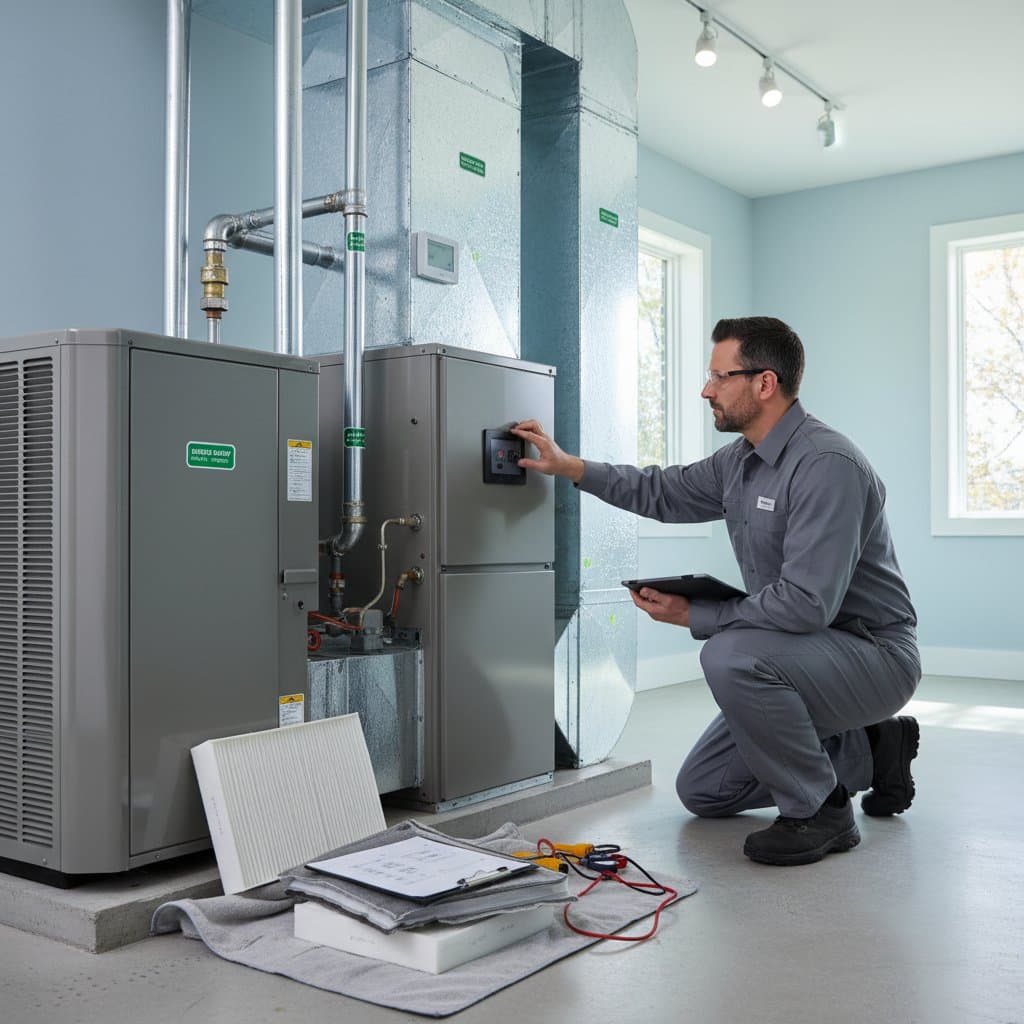
Prepare for Efficiency: The Value of Spring HVAC Inspections
Homeowners need not incur high costs to maintain comfort and efficiency. A comprehensive spring HVAC inspection reduces energy consumption, prolongs equipment lifespan, and readies the system for summer demands. Understanding key inspection elements, appropriate timing for professional involvement, and cost management strategies enables substantial year-round savings.
Rising energy bills or signs of increased system strain signal the ideal moment for intervention. Strategic planning and knowledge of HVAC requirements empower individuals to achieve enduring financial benefits.
Core Components of an Effective HVAC Inspection
A full spring evaluation extends beyond basic filter changes. Homeowners or professionals must address these vital procedures to ensure optimal performance and dependability:
1. Filter Replacement:
Clogged filters impede airflow, compelling the system to operate with greater effort. Exchange filters every one to three months, adjusted for usage levels and regional air quality. Pleated filters of high quality range from 10 to 30 dollars, with energy savings rapidly offsetting this modest investment.
2. Coil Cleaning:
Evaporator and condenser coils accumulate debris over time. Such accumulation diminishes heat transfer efficiency by as much as 15 percent. Employ a soft-bristled coil brush or no-rinse cleaning solution available at hardware stores. Professionals charge approximately 75 to 150 dollars for this service if uncertainty arises.
3. Condensate Drain Evaluation:
Obstructed drain lines lead to water leaks or elevated indoor humidity. Clear the line using a solution of warm water and vinegar. Pooled water near the unit warrants immediate professional examination.
4. Thermostat Calibration:
Verify that the thermostat registers temperatures precisely. Inaccurate readings impose excess load and energy expenditure. Programmable thermostats optimize schedules, potentially reducing cooling expenses by up to 10 percent annually.
5. Refrigerant Level Assessment:
Insufficient refrigerant causes continuous operation without adequate cooling. Licensed technicians alone manage refrigerant handling; homeowners should identify indicators such as hissing noises or frost on coils.
6. Electrical Connection Review:
Frayed or oxidized wiring risks intermittent operation or complete breakdown. Deactivate power via the circuit breaker prior to checking accessible connections. Discoloration or deterioration necessitates expert intervention.
Deciding Between DIY Tasks and Professional Services
Many spring upkeep activities suit capable homeowners. Actions like filter swaps, vent dusting, and condenser area vacuuming yield noticeable improvements. Certain tasks, however, demand professional expertise due to safety protocols and legal standards.
Engage a technician when:
- Electrical or refrigerant concerns emerge
- The system cycles erratically or emits strange sounds
- Airflow remains inadequate post-filter replacement
- Water accumulates near indoor components
- Ducts exhibit musty odors or mold growth
Qualified HVAC specialists utilize specialized equipment to measure refrigerant pressure, evaluate motors, and confirm airflow distribution. They also detect regulatory compliance gaps that influence insurance eligibility or property marketability.
Identifying Trouble Indicators in Spring Evaluations
Reliable systems occasionally reveal issues. Early detection proves crucial. Consider these alerts that require prompt attention:
- Inconsistent Cooling: Rooms failing to attain desired temperatures suggest ductwork leaks or malfunctioning dampers.
- Frequent Cycling: Rapid on-off patterns indicate thermostat malfunctions or airflow obstructions.
- Abnormal Noises: Grinding, rattling, or screeching suggests deteriorated belts or bearings.
- Elevated Humidity: Persistent indoor dampness in spring implies inadequate dehumidification.
- Bill Surges: Minor faults can trigger abrupt electricity consumption increases.
Address these by arranging a diagnostic assessment. Timely fixes avert comprehensive system replacements.
Sustaining Peak Performance Through Summer
Following the spring review, adopt these routines to optimize operations during heat-intensive periods.
- Draw blinds during peak sunlight hours to limit heat influx.
- Operate ceiling fans to enhance air movement and lessen cooling needs.
- Adjust thermostat settings upward during absences.
- Conduct regular filter changes and post-storm outdoor unit checks.
Integrating these practices with yearly expert servicing generates meaningful energy reductions over time.
Safeguarding Your HVAC Investment
The HVAC system represents a major home asset. Diligent seasonal attention preserves its value, fosters a healthful indoor climate, and ensures operational integrity. A spring inspection transcends routine maintenance; it constitutes a prudent economic strategy promoting efficiency, security, and durability.
Consistent care minimizes disruptions, curbs utility expenses, and provides assurance of seasonal preparedness. Opt for self-managed basics or comprehensive technician evaluations; benefits manifest in sustained comfort and fiscal prudence.
Dedicate time this spring to inspect, cleanse, and record your HVAC status. The result includes cooler interiors, diminished costs, and reliable service for years ahead.