
Why Luxury Bathroom Remodels Cost More Than You Think
Luxury bathroom remodels represent a significant investment for homeowners seeking elevated comfort and style. These projects often exceed initial budget estimates due to the premium elements involved. This article explores the key factors driving costs in 2026 and provides strategies for effective planning.
Defining Luxury in Bathroom Design
Luxury bathrooms incorporate high-end features that enhance functionality and aesthetics. Materials such as natural stone, custom cabinetry, and advanced plumbing systems form the foundation. Designers focus on seamless integration of technology, including smart mirrors and heated floors, to create a spa-like retreat.
The scale of the project influences pricing. A standard remodel might cover 50 to 100 square feet, while expansive master suites demand more resources. Homeowners must consider the existing layout, as custom configurations require precise engineering.
Material Costs and Their Impact
Premium materials drive a substantial portion of the budget. Marble slabs for countertops and flooring can cost between $50 and $150 per square foot, depending on sourcing and quality. Exotic woods for vanities and glass for enclosures add layers of expense, often requiring specialized installation.
Sustainability plays a growing role in 2026 selections. Eco-friendly options like recycled glass tiles or low-VOC finishes increase upfront costs but offer long-term benefits. Selecting durable, high-quality items prevents future replacements and maintains value.
Labor and Expertise Expenses
Skilled labor forms a critical component of luxury remodels. Certified plumbers, electricians, and tile setters charge premium rates, typically $100 to $200 per hour. Complex tasks, such as integrating underfloor heating or custom shower systems, demand coordinated teams.
In 2026, labor shortages in specialized trades elevate prices further. Homeowners benefit from hiring experienced contractors who ensure compliance with building codes. Rushed timelines can lead to errors, increasing overall expenses through rework.
Structural and Technical Upgrades
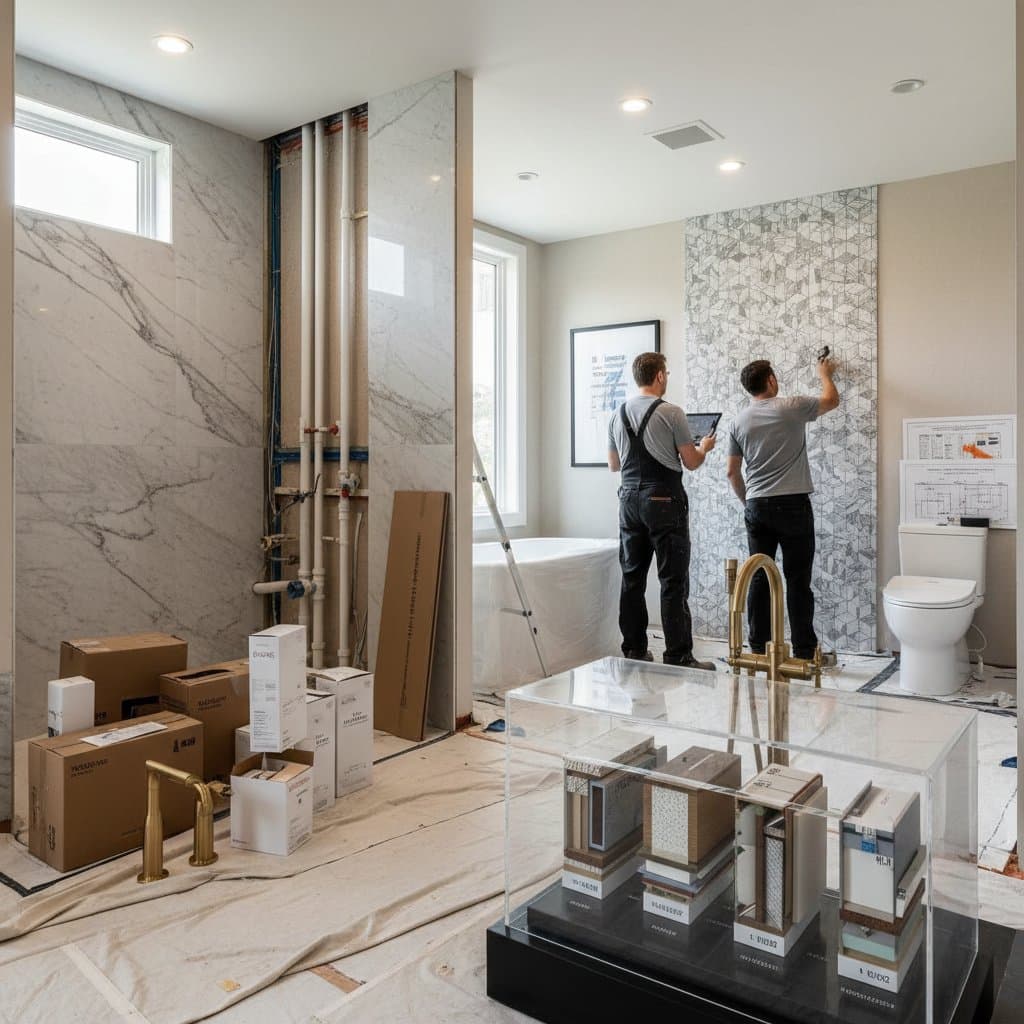
Many homes require foundational modifications for luxury upgrades. Reinforcing floors to support heavy fixtures or updating electrical systems for smart features adds significant costs. Plumbing rerouting for rain showers or soaking tubs often involves wall demolition and reconstruction.
Permits and inspections represent another layer. Local regulations in 2026 emphasize energy efficiency, requiring approvals that delay projects and incur fees. Structural engineers may need to assess load-bearing elements, contributing to the total outlay.
Hidden Costs That Accumulate
Overlooked expenses frequently surprise budget planners. Demolition and debris removal can cost $1,000 to $5,000, depending on the scope. Temporary relocation during construction disrupts daily life and may necessitate additional spending on accommodations.
Design consultations and unforeseen issues, such as mold remediation or outdated wiring, compound the financial burden. Contingency funds of 15 to 20 percent of the total budget help mitigate these risks. Tracking expenses through detailed invoices ensures transparency.
Strategies for Strategic Budgeting
Effective budgeting begins with a comprehensive plan. Homeowners should outline priorities, such as focusing on the shower area before expanding to storage solutions. Obtaining multiple quotes from reputable contractors provides a realistic cost range.
Phased approaches allow for gradual implementation. Start with essential upgrades like fixtures and lighting, then add custom elements later. Software tools for cost estimation aid in forecasting and adjustments.
Selecting Quality Over Quantity
Investing in timeless pieces yields greater returns. Opt for fixtures from established brands that offer warranties and efficient performance. Balancing aesthetics with practicality ensures the space serves daily needs without frequent updates.
Customization enhances personalization but requires careful selection. Collaborate with interior designers to visualize outcomes and avoid costly changes mid-project. This method maximizes satisfaction and minimizes waste.
Navigating Permits and Regulations
Compliance with 2026 building standards demands early attention. Research local requirements for water conservation and accessibility features. Engaging a permit specialist streamlines the process and prevents fines or delays.
Energy-efficient installations, such as low-flow toilets and LED lighting, qualify for potential rebates. These incentives offset initial costs while promoting sustainability. Documentation of all approvals protects against future liabilities.
Maximizing Value Through Smart Choices
Luxury remodels enhance property appeal and personal enjoyment. Prioritize elements that align with lifestyle, such as accessible designs for aging in place. Professional guidance ensures the final result reflects both vision and viability.
Regular maintenance preserves investments. Cleaning protocols for natural stone and seasonal checks on systems extend longevity. This approach transforms the bathroom into a durable asset.
Achieving Enduring Elegance on Budget
Homeowners can realize luxury without excess spending by focusing on core enhancements. Integrate multifunctional features, like vanities with built-in charging stations, to optimize space. Sustainable sourcing reduces environmental impact and appeals to future buyers.
The true value lies in craftsmanship that withstands time. By understanding cost drivers and planning meticulously, individuals create sanctuaries that elevate daily routines. This investment fosters lasting comfort and pride in the home.