
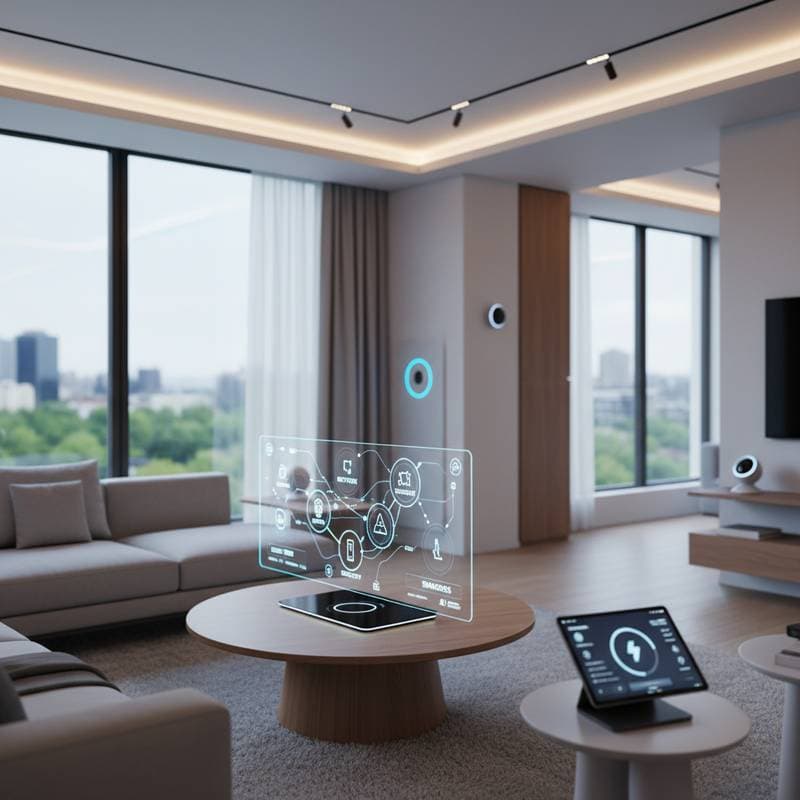
3. Intelligent Security and Access Control
Security systems in smart homes evolve toward proactive defense mechanisms. Advanced cameras, locks, and sensors now incorporate artificial intelligence to analyze patterns and identify anomalies in real time. This shift reduces false alarms and enables quicker responses to genuine risks.
Homeowners benefit from setups that integrate seamlessly with existing networks. Consider devices that support end-to-end encryption to protect data transmission. Regular firmware updates further bolster defenses against emerging vulnerabilities.
Upgrade Focus:
- AI-Based Cameras: Select models equipped with edge computing, which processes video locally on the device. This approach delivers alerts within seconds without relying on internet connectivity, minimizing latency during critical moments. Popular options include cameras that learn household routines to flag unusual behaviors, such as unfamiliar vehicles in the driveway.
- Smart Locks with Offline Access: Choose locks that function independently via battery power and manual overrides. These models often include geofencing features, which lock doors automatically when you leave the property. Integration with mobile apps allows temporary access codes for guests without compromising overall security.
- Integrated Alerts: Link security components through a central hub for coordinated actions. For instance, upon detecting motion, the system can activate lights, sound alarms, and notify your phone simultaneously. This layered response deters intruders and provides comprehensive event logs for review.
Costs: Expect to invest between $300 and $1,200 for a comprehensive full-home security array, depending on the number of devices and advanced features.
Timeline: Plan for one weekend to install and test the system, including wiring checks and app configurations.
Troubleshooting Tip: Excessive notifications often stem from environmental factors like passing wildlife. Fine-tune sensitivity settings through the device's interface, and establish activity zones to ignore designated areas such as the backyard during certain hours.
Developing Proficiency in Smart Home Management
Mastering a smart home requires ongoing skill development rather than sporadic purchases. Focus on creating an interoperable ecosystem where devices communicate effectively. This foundation allows for custom automations that enhance convenience without overwhelming complexity.
Start by mapping out current device interactions to identify bottlenecks. Tools like network diagrams or simple apps can visualize connections. From there, introduce enhancements gradually to maintain stability.
Practical Growth Tips:
- Experiment Safely: Begin testing automations in non-critical zones, such as automated lighting in a single room. Verify each routine's reliability over several days before scaling to essential systems like heating, ventilation, and air conditioning or perimeter security. This methodical approach prevents disruptions to daily routines.
- Join Community Forums: Engage with online groups dedicated to specific brands or general smart home topics. Members often share custom scripts for platforms like IFTTT or Home Assistant, along with solutions to common integration issues. Active participation yields tailored advice based on real-world experiences.
- Document Your Setup: Maintain a secure digital log detailing each device's model number, current firmware version, and associated credentials. Use password managers for organization. This record proves invaluable during troubleshooting, upgrades, or when handing over control to family members.
- Schedule Routine Audits: Every three months, review device performance and compatibility. Update software as releases become available, and test failover scenarios like power outages. Such habits ensure the system remains robust against obsolescence.
Sustaining Long-Term Performance
A well-maintained smart home operates as a cohesive unit, not a disjointed array of tools. Prioritize routines that preserve efficiency and security while adapting to new technologies. This proactive stance avoids costly overhauls and maximizes return on investment.
Incorporate maintenance into your calendar alongside other home tasks. Simple actions, like cleaning sensors and verifying connections, extend device lifespan. Thoughtful planning transforms potential challenges into opportunities for refinement.
When upgrades align with enduring principles, the home emerges as an intelligent partner. It anticipates needs, safeguards assets, and streamlines operations. Embrace this continuous evolution to enjoy a residence that grows with you, delivering simplicity, protection, and optimization year after year.