
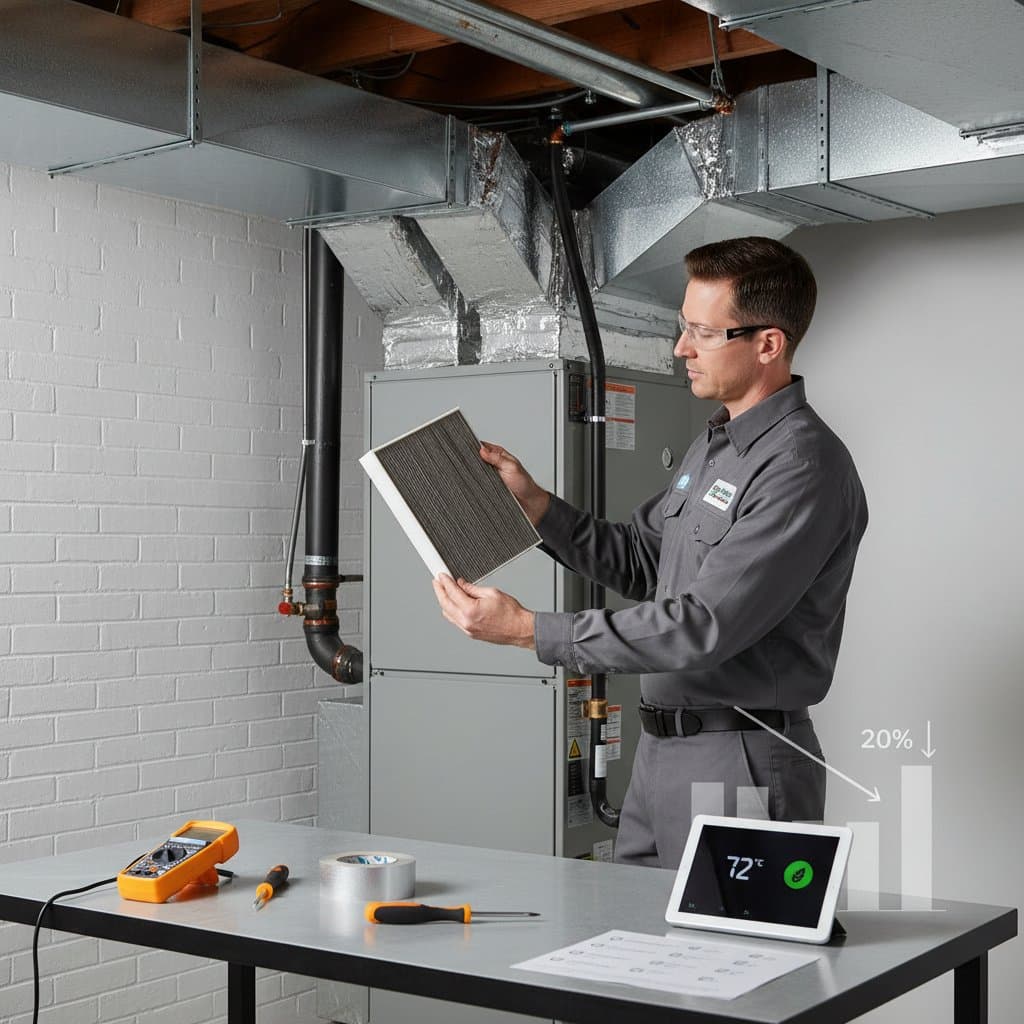
Preparing Your HVAC System for Efficient Cooling
Heating, ventilation, and air conditioning systems represent a significant investment in home comfort. Regular maintenance ensures these systems operate at peak efficiency, particularly during the demanding cooling season. By addressing key components proactively, homeowners can achieve substantial energy savings without the need for a full system replacement.
Neglecting maintenance leads to reduced airflow, higher energy consumption, and premature wear on parts. Studies from energy organizations indicate that proper upkeep can lower cooling costs by up to 20 percent. This guide provides a practical checklist to prepare your HVAC for spring, focusing on simple actions that deliver immediate results.
Step-by-Step Maintenance Checklist
Follow these steps to optimize your HVAC system's performance. Perform them annually or before the cooling season begins to maximize benefits.
-
Inspect and Replace Air Filters: Clogged filters restrict airflow and force the system to work harder. Check filters monthly during peak usage and replace them every one to three months, depending on the type and household dust levels. Use high-efficiency particulate air filters rated MERV 8 or higher for better performance without straining the blower.
-
Clean the Outdoor Condenser Unit: Debris such as leaves, dirt, and grass clippings can block the unit's coils, reducing heat dissipation. Turn off power to the unit, then gently remove debris with a soft brush or hose on low pressure. Ensure at least two feet of clearance around the unit to promote unrestricted airflow.
-
Seal Ductwork Leaks: Leaky ducts can waste up to 30 percent of cooled air before it reaches living spaces. Inspect visible ducts in attics, basements, and crawl spaces for gaps or disconnected joints. Apply mastic sealant or metal-backed tape to seal leaks, avoiding cloth duct tape which deteriorates over time.
-
Test and Calibrate the Thermostat: An inaccurate thermostat causes the system to cycle inefficiently, leading to uneven temperatures and higher bills. Verify the thermostat's accuracy with a separate thermometer; if it varies by more than two degrees, replace it with a programmable model. Set it to maintain 78 degrees Fahrenheit during occupied hours for optimal savings.
-
Check Refrigerant Levels: Low refrigerant results in poor cooling and increased energy use. Listen for unusual hissing sounds or feel for warm air from vents, which signal potential leaks. This task requires professional tools, so schedule an inspection if you suspect an issue.
-
Examine the Evaporator Coil: Located inside the indoor unit, the evaporator coil can accumulate dust and mold, impeding heat absorption. Access the coil by removing the access panel and clean it with a no-rinse coil cleaner or mild detergent solution. Rinse gently to avoid damaging fins.
-
Lubricate Moving Parts: The blower motor and fan bearings need lubrication to reduce friction and extend lifespan. Refer to your system's manual for the correct lubricant type and apply it to specified ports. This prevents squeaking noises and overheating.
When to Handle Tasks Yourself and When to Call a Professional
Many maintenance steps suit DIY efforts, empowering homeowners to save on service calls. Cleaning filters, clearing condenser debris, and sealing minor duct leaks require basic tools like screwdrivers, brushes, and sealant. These actions build confidence and provide quick wins in efficiency.
However, certain tasks demand expert intervention to avoid safety risks or further damage. Refrigerant handling involves specialized equipment and environmental regulations, so professionals must address levels and leaks. Electrical components, such as wiring and capacitors, also require licensed technicians to ensure compliance with codes and prevent hazards like shocks or fires.
Schedule a professional tune-up once a year, ideally in early spring. Technicians use diagnostic tools to measure airflow, static pressure, and electrical draw, identifying issues invisible to the untrained eye. This comprehensive service often includes a performance report with recommendations tailored to your home's setup.
Maximizing Energy Savings Through Routine Care
Implementing this checklist transforms HVAC maintenance from a chore into a strategic investment. Homeowners who maintain their systems diligently report not only 20 percent reductions in cooling costs but also fewer emergency repairs. Cleaner components mean less strain on the compressor, the heart of the cooling process, which can extend the system's life by five to ten years.
Beyond financial benefits, efficient operation improves indoor air quality by reducing dust circulation and mold growth. Families breathe easier with fresher air, and comfort levels rise without constant adjustments. Track your progress by noting energy bills before and after maintenance; many see noticeable drops within the first month of consistent use.
Sustaining Efficiency Year-Round
Incorporate HVAC care into your seasonal routine to lock in long-term gains. Pair spring preparations with fall heating checks to balance system demands throughout the year. Consider upgrading to energy-efficient features, such as variable-speed blowers, during major overhauls for even greater returns.
Homeowners who prioritize these steps enjoy reliable cooling without surprises. Your HVAC system rewards proactive attention with lower bills, enhanced comfort, and peace of mind. Start today to welcome the warmer months with a system ready to perform.