
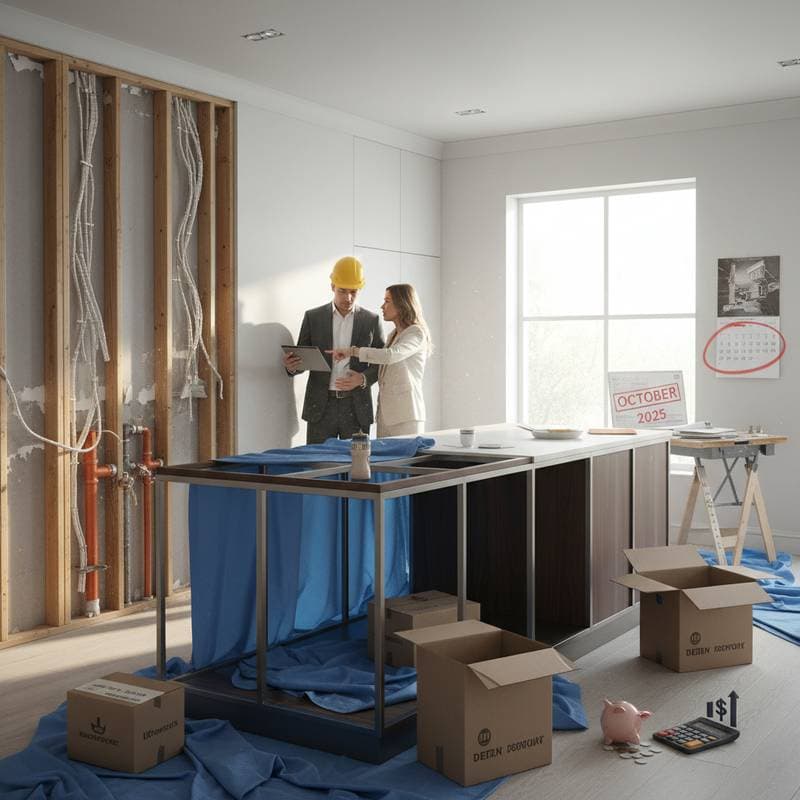
Unforeseen Kitchen Remodel Expenses That Disrupt Budgets
Kitchen remodels nearly always exceed initial estimates because concealed costs emerge from behind walls and beneath surfaces. Even meticulous planners encounter surprises during the process. Homeowners often develop detailed budgets, yet demolition reveals issues that demand attention. The solution lies in anticipating these elements before beginning any work.
A basic kitchen update might cost several thousand dollars, while a comprehensive renovation reaches tens of thousands. Homeowners frequently overlook additional expenses that arise during construction. These involve essential updates for code compliance, structural fixes, or delivery charges rather than luxury additions. Addressing them early preserves financial stability and reduces stress.
Issues Concealed Within Walls
Demolition exposes the true state of your kitchen infrastructure. In older homes, electric wiring may prove outdated, pipes corroded, or structural elements non-compliant with regulations. Such findings require immediate resolution for safety reasons before installing new components.
Electrical Challenges
Older kitchens often lack capacity for contemporary appliances. Circuits may be undersized, wiring composed of aluminum, or panels overloaded. Upgrading to meet modern codes costs between several hundred and thousands of dollars, based on project scale. Installing an induction cooktop or high-power double ovens typically necessitates a panel expansion. These updates ensure reliability, though they lack visual appeal.
Plumbing Modifications
Decades-old water lines can become fragile or obstructed. Upon accessing them, full replacement proves wiser than partial repairs to avert leaks. Relocating a sink or dishwasher involves intricate drain rerouting. Plumbing work generally ranges from several hundred to thousands of dollars, influenced by access and distance from current lines.
Structural Modifications
Achieving an open-concept design frequently encounters load-bearing walls. Altering or shifting them demands engineered reinforcements, permits, and inspections. These steps extend timelines by weeks and increase costs by thousands. Widening a doorway alone requires adequate support to maintain integrity.
Expenses Related to Permits and Regulations
Homeowners often disregard permits until an inspector arrives. Local authorities mandate them for major kitchen projects involving electrical, plumbing, or structural changes. Fees differ by location, typically spanning several hundred to over one thousand dollars. Neglecting permits risks penalties or future resale difficulties.
Fees for Inspections and Plan Reviews
Post-permit, inspections occur at various stages, from rough-in to completion, each potentially incurring separate charges. Submitting plans or calculations triggers review fees. Contractors seldom include these in bids unless requested explicitly.
Adjustments for Code Compliance
Regulations advance to enhance safety and efficiency. Features acceptable at construction time may now fall short, requiring ventilation improvements, GFCI outlet additions, or efficient lighting installations. Each modification contributes to expenses, yet compliance avoids inspection failures or insurance complications.
Design Choices That Escalate Costs
Discipline proves challenging when design evolves during the project. Selecting a new backsplash inspired by media or preferring quartz over laminate mid-process occurs commonly. Such decisions initiate chains of added labor, material losses, and delays.
Impacts of In-Process Alterations
Altering countertops post-fabrication demands fresh measurements, fees, and possible cabinet reorders. Transitioning from drop-in to undermount sinks necessitates countertop recuts and plumbing shifts. Minor adjustments propagate expenses across time and resources.
Pitfalls of Customization
Custom cabinets elevate aesthetics but often double expenses without proportional utility gains. Semi-custom or modular alternatives offer efficiency and blend seamlessly upon installation. This approach extends to unique hardware, organizers, or rare materials, which enhance style yet strain budgets unnecessarily.
Logistics of Delivery, Waste, and Storage
Smooth design and installation overlook practical logistics that accumulate costs. These elements receive minimal discussion yet prove consistently underbudgeted.
Charges for Material Transport
Cabinets, countertops, and appliances typically attract delivery fees. Inaccessible homes or multi-unit structures elevate these charges. Suppliers may add handling for heavy loads or stair transport. Review delivery conditions prior to agreements.
Waste Disposal Processes
Kitchen demolition produces substantial debris from cabinets, flooring, drywall, and packaging. Renting dumpsters, hiring haulers, or paying municipal fees adds several hundred dollars. Amateur disposal fails, as standard trash services reject construction waste.
Solutions for Temporary Storage and Safeguards
Extended projects require appliance or furniture relocation to storage units, incurring rental costs. Within the home, plastic sheeting and floor protections prevent damage, though they add to outlays. These measures prove economical compared to post-project repairs for dust or scratches.
Dynamics of Labor and Contractor Factors
Labor constitutes the primary expense in kitchen remodels. Influencing factors extend beyond rates to include coordination and interruptions.
Delays from Scheduling and Alterations
A single delayed task disrupts subsequent subcontractors. Electricians await framing completion, halting progress. Rescheduling incurs fees or deposit losses. External factors like weather, shortages, or inspections exacerbate issues. Incorporate a 10 to 15 percent buffer in timelines and estimates to mitigate risks.
Contractor Expenses and Surcharges
Overhead covers insurance, management, and administration. Markups apply to materials or subcontractors, standard yet impactful on totals. Request detailed breakdowns to distinguish fixed from variable costs.
Risks of Unqualified Labor
Unlicensed hires appear cost-saving but invite liabilities from accidents or inspection failures. Remedying subpar work exceeds professional fees. Confirm licenses, insurance, and references before contracts.
Unexpected Aspects of Appliances and Fixtures
Appliances and fixtures seem simple until integrated with existing systems. Dimensional mismatches, hookup incompatibilities, or specialized setups drive unforeseen expenses.
Fees for Specialized Installations
Retailers offer free delivery, but installations demand certified professionals for gas, water, or electrical connections. A gas range or built-in refrigerator installation costs several hundred dollars. Wall ovens, hoods, and lighting require extra labor.
Integration of Ventilation and Electrical Systems
Larger ranges or island cooktops necessitate enhanced ventilation, involving ductwork, ceiling alterations, and framing. LED lighting swaps may require junction boxes or circuit changes. Confirm fixture compatibility with infrastructure prior to purchase.
Strategies to Safeguard Your Budget
Effective planning accounts for uncertainties through contingencies, thorough verifications, and clear communications.
Establish a Contingency Reserve
Allocate at least 15 percent of the budget for unforeseen issues, rising to 20 percent for structural or electrical elements. This fund supports emergencies and allows quality enhancements without financial strain.
Evaluate Multiple Bids Thoroughly
Beyond totals, scrutinize inclusions in proposals. Lower bids may exclude disposal, permits, or materials. Demand itemized details for accurate comparisons, prioritizing completeness over minimal cost.
Verify Measurements and Compatibility
Confirm dimensions before custom orders to prevent costly errors in cabinets, countertops, or appliances. Site visits by professionals ensure precision, justifying minor fees against replacement expenses.
Steps to Preserve Your Renovation
Post-completion, consistent upkeep sustains your kitchen's value. Routine practices and records maintain performance and appearance.
Implement Regular Maintenance
Clean natural stone with pH-neutral solutions. Reseal grout yearly to resist stains. Service vent filters monthly for optimal air flow. These routines uphold both aesthetics and operations.
Record Project Details
Maintain files of permits, receipts, warranties, and contractor contacts. This documentation aids future repairs, insurance claims, or home sales, ensuring long-term benefits from your investment.