
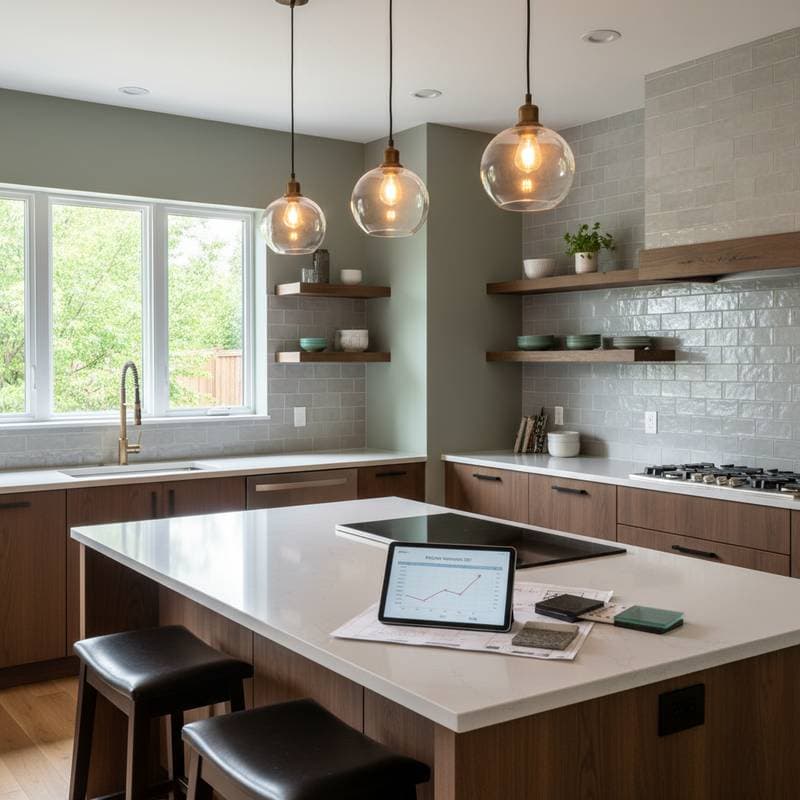
How 2026 Price Increases Influence Kitchen Remodel Returns
Homeowners often envision quartz countertops or induction cooktops as essential upgrades. With kitchen remodel costs projected to rise in 2026, many question the viability of such investments. Material and labor expenses will increase, yet a strategic approach can preserve strong returns on investment. Careful planning, targeted spending, and alignment with buyer preferences enable homeowners to achieve both enjoyment and financial benefits.
Examine cost breakdowns, market shifts, and value-retaining features to proceed with assurance. This analysis equips you to navigate rising prices while safeguarding your home's appeal.
Defining Returns on Investment Amid Market Changes
Kitchen renovations extend beyond visual appeal; they represent calculated investments that affect daily life and future sale prices. Traditional remodels recover 55 to 80 percent of expenses, varying by project scale and region. Elevated 2026 costs introduce new variables, but informed decisions maintain favorable outcomes.
Minor Updates Yield Superior Financial Recovery
Preserve the current layout if it functions well. Focus on refinishing cabinets, installing new hardware, swapping countertops, and incorporating energy-efficient lights. These efforts cost between $12,000 and $25,000, recovering 75 to 90 percent upon resale.
Extensive overhauls involving layout alterations, plumbing relocations, and bespoke cabinetry range from $40,000 to $100,000 or higher. Such projects deliver aesthetic excellence but recover only 55 to 70 percent. Prioritize them for personal use rather than resale focus.
Location-Specific Dynamics and Buyer Priorities
Returns vary by geography. In competitive urban settings, comprehensive updates to outdated kitchens generate higher recoveries. Suburban and rural markets favor practical, efficient designs over opulent elements.
Key regional considerations:
- Coastal and city properties benefit from open, light-filled designs with sustainable elements, often boosting value by 5 to 10 percent.
- In temperate zones, emphasize resilient flooring, high-efficiency appliances, and insulated storage to meet local demands.
Beyond Financial Metrics: Personal Value
Quantitative tools overlook intangible gains. A well-designed kitchen enhances mood, promotes nutritious meal preparation, and simplifies gatherings. Given the hours spent in this space, these benefits rival monetary returns.
Incorporating Energy Efficiency for Enhanced Appeal
Contemporary buyers seek kitchens that minimize operational expenses. Upgrades like efficient appliances, LED fixtures, and intelligent controls cut utility demands and elevate marketability.
High-impact, low-cost efficiency enhancements:
- Induction cooktops reduce energy consumption by up to 10 percent while offering exact heat regulation.
- Energy Star-rated refrigerators use 15 to 20 percent less power compared to standard units.
- LED under-cabinet lights provide illumination with negligible electricity draw.
- Advanced hood systems enhance ventilation, control humidity, and improve indoor air.
These additions increase upfront expenses by 5 to 10 percent yet raise resale prices by as much as 3 percent. Annual savings reach several hundred dollars, compounding long-term value.
Controlling Expenses While Upholding Standards
Anticipated 2026 escalations demand disciplined budgeting without compromising durability.
Secure Comprehensive Estimates
Obtain at least three detailed bids for significant tasks. Insist on line-item specifics to evaluate inclusions accurately. Mid-tier proposals often encompass superior warranties or premium components absent in cheaper options.
Implement Phased Execution
Address budget constraints by dividing the project. Begin with foundational changes like electrical updates, followed by surface treatments and equipment installation. This method extends duration but permits refined selections over time.
Select Enduring Components
Invest in robust options that endure daily wear. Quartz or granite counters, porcelain flooring, and hardwood fronts resist stains and scratches, minimizing repairs. Timeless selections preserve aesthetics for years.
Account for Overlooked Expenditures
Regulatory approvals, shipping charges, and waste removal inflate totals by 10 to 15 percent. Allocate a reserve equal to 10 percent of the budget for issues such as structural repairs or utility upgrades.
Emerging Patterns Influencing Remodel Value
Design directions emphasize eco-friendliness, usability, and innovation, shaping buyer willingness to pay premiums.
Integrating Intelligent Features
Connected devices for appliances, remote operation, and usage tracking gain prevalence. These elements enhance daily routines and project modernity at moderate added expense. Select two or three integrations to differentiate your property.
Embracing Eco-Friendly Choices
Countertops from reclaimed materials, bamboo storage, and non-toxic finishes attract environmentally aware purchasers. Such selections convey stewardship and elevate perceived worth.
Designing Adaptable Spaces
Open layouts persist in popularity, yet hybrid configurations with subtle dividers gain traction. In expansive homes, install sliding panels or translucent barriers to maintain visibility while defining areas.
Executing Your Renovation Effectively
Begin by pinpointing deficiencies in your present setup, such as poor traffic flow, worn surfaces, or high energy use. Establish primary objectives and formulate a budget with a 10 percent buffer.
Structured Implementation Guide:
- Assess priorities: Determine if the focus lies on marketability, usability, or a combination.
- Establish financial limits: Factor in supplies, workmanship, approvals, and reserves.
- Gather visual references: Compile images, schemes, and configurations that align with your vision.
- Solicit precise proposals: Review extents, specifications, and schedules across providers.
- Gauge self-participation: Identify safe, skill-matched contributions to reduce costs.
- Coordinate timing: Align work with family patterns to limit inconvenience.
- Monitor advancements: Document transactions, visuals, and records for future reference and deductions.
Sustaining Value Through Strategic Choices
Thoughtful renovations yield enduring advantages. Efficient designs lower ongoing expenses, while versatile features adapt to evolving needs. Resale potential strengthens as buyers prioritize practical, sustainable spaces. Ultimately, a balanced remodel enriches living experiences and secures financial stability.